
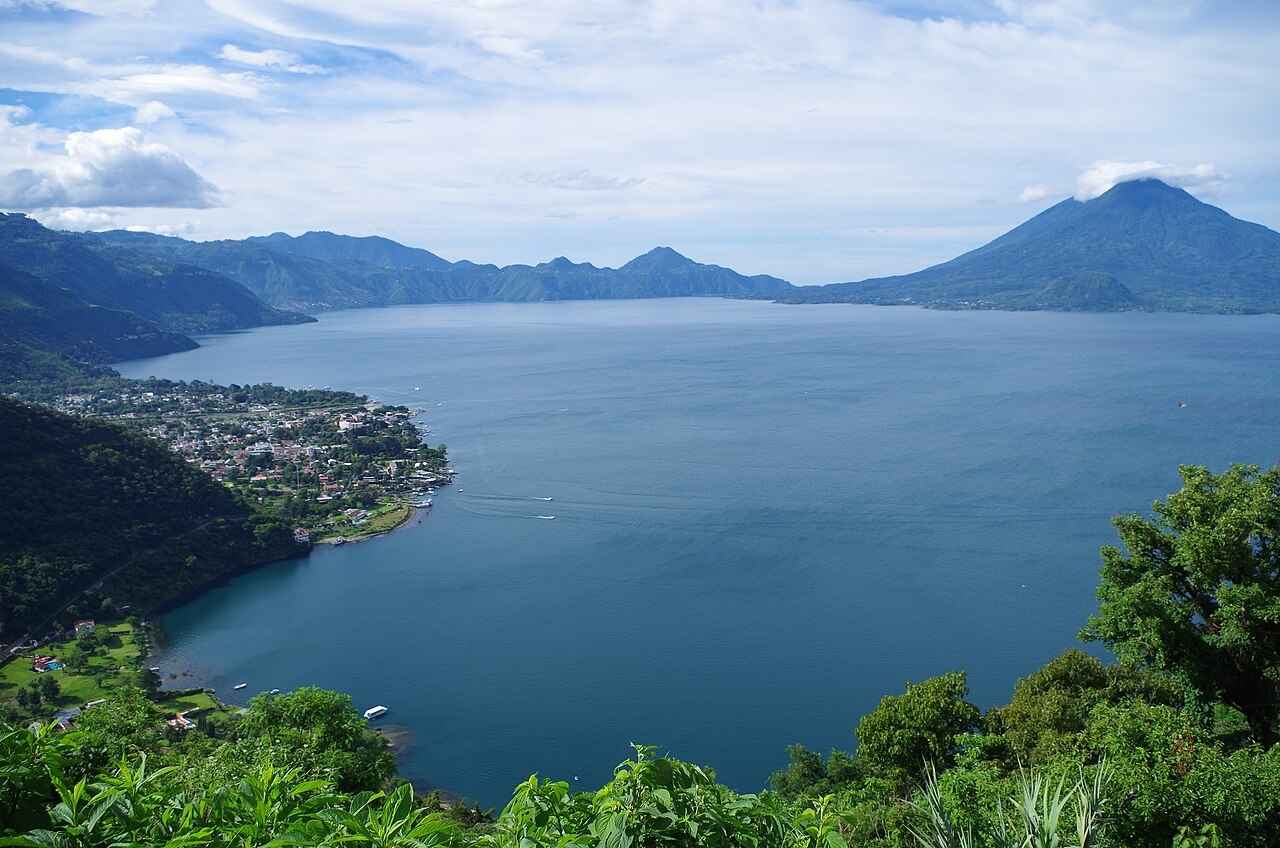
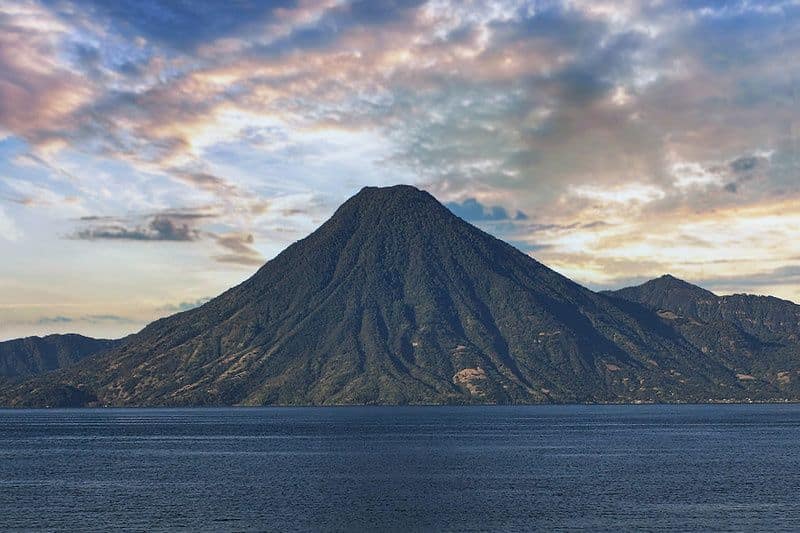
Lake Atitlán Guatemala has a way of getting under your skin. People talk about the volcano views, the bright blue water, the little boats skimming across the lake, and all of that is true. But what makes this place memorable, I think, is that it never feels like just one destination. It feels more like a group of very different villages gathered around the same body of water, each with its own pace, personality, and slightly different idea of what a good trip looks like.
If you are planning your first visit, that can be exciting and a little confusing at the same time. One traveler swears by San Marcos. Another insists San Pedro is the only place with energy. Someone else tells you to stay in Panajachel because it is easiest, and honestly, they are not entirely wrong either. This guide is here to make sense of Lake Atitlán Guatemala in a way that feels practical, not overly polished, and hopefully reassuring if you are still in the early planning stage.
For most travelers, the biggest decision is not whether to go. It is where to stay, how long to stay, and how to move around the lake without turning the trip into a logistical puzzle. So that is what this article focuses on. If you want a deeper breakdown of the villages themselves, you can also read our guide to the best towns around Lake Atitlán Guatemala, which is useful once you start comparing atmospheres more seriously.
Why visit Lake Atitlán Guatemala
Lake Atitlán sits in the Guatemalan highlands, surrounded by volcanoes and steep green slopes that make the whole landscape feel a bit dramatic, even on quiet days. It is beautiful in the obvious postcard sense, yes, but it is also layered with Indigenous Maya culture, local markets, weaving traditions, hiking routes, coffee farms, and villages that feel genuinely lived in rather than arranged for visitors. That mix matters. It gives the lake more depth than places that rely only on scenery.
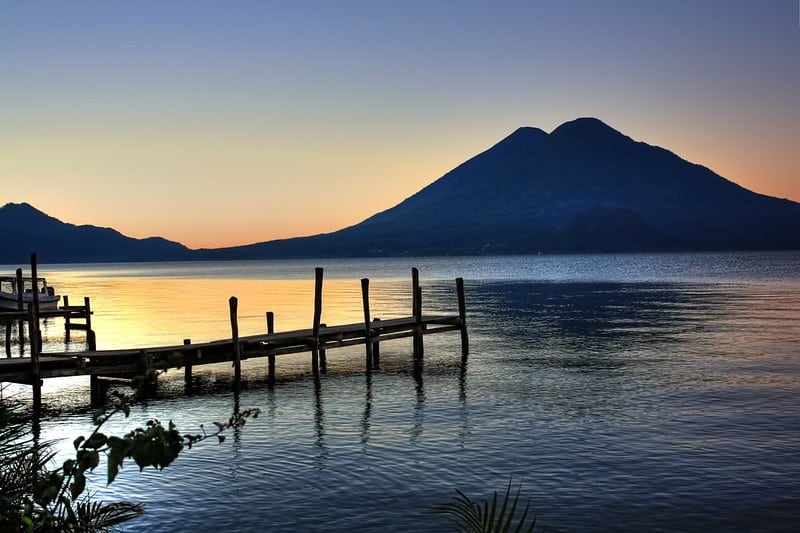
There is also a nice flexibility to the trip. You can come for a couple of days and keep things simple, or stay for a week and move between towns slowly. Some people want yoga mornings and healthy cafes. Others want cheap Spanish classes, nightlife, and a social backpacker scene. Others just want a hotel balcony and that view of the water at sunrise, which, to be fair, is a pretty good reason on its own.
What surprises many first-time visitors is how different one village can feel from the next. Distances do not look huge on a map, but the atmosphere shifts quickly. That is why planning Lake Atitlán Guatemala well usually comes down to choosing the right base, not just listing attractions.
Where Lake Atitlán fits best
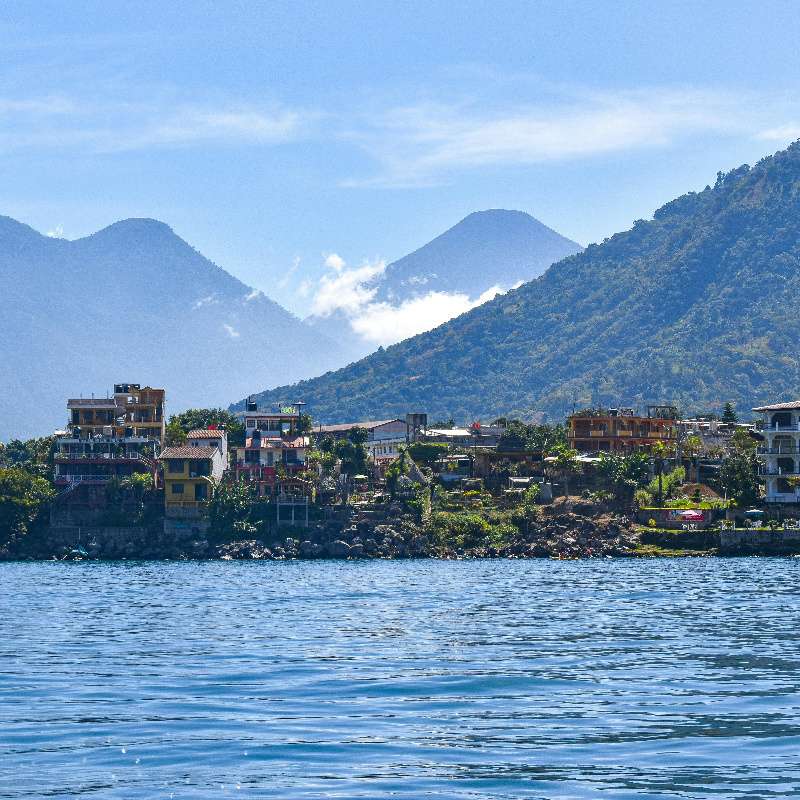
Lake Atitlán works especially well for independent travelers, couples, backpackers, photographers, culture-focused travelers, and remote workers who do not mind a little unpredictability. If you enjoy places that feel scenic but not sterile, this part of Guatemala tends to leave a strong impression. It is not a polished resort zone. It is more textured than that, and sometimes a little messier too, which is part of the appeal.
It may be less ideal for travelers who want completely effortless logistics. Boats can be delayed. Weather shifts. Hills are real hills, not decorative slopes. Some accommodations involve lots of stairs, and some villages are easier to reach than others. Still, if you can tolerate a little friction in exchange for character, the payoff is usually worth it.
Best time to visit Lake Atitlán Guatemala
The dry season, roughly from November to April, is generally the easiest time to visit Lake Atitlán Guatemala. Days are often sunny, volcano views are clearer, and it is simpler to move around and plan outdoor activities without watching the sky too anxiously. This is the period many travelers prefer, and not surprisingly, it can feel busier.
The rainy season, usually from May to October, has its own appeal. Mornings are often bright, while afternoons can bring showers or storms. The surrounding hills look greener, the light can be softer, and there are moments when the whole lake feels quieter and more reflective. But yes, transport and hiking plans can become less predictable. I would not call that a dealbreaker, just something to work around.
If you are flexible, the shoulder months can be a sweet spot. You might get decent weather without quite as much crowding. Or you might not. That is travel, really. Still, many people find that early dry season and the transition months give them a good balance of comfort and atmosphere.
How many days to spend
You can visit Lake Atitlán in two days, but it will feel rushed. Three nights is probably the minimum if you want to see more than one town, take a boat without feeling hurried, and have at least one morning where you are not immediately packing your bag again. Five days is better. A week starts to feel generous.
If you have limited time, I would usually recommend choosing one main base and taking one or two day trips rather than changing hotels every night. That sounds efficient in theory, but around the lake it can get tiring quite fast. Boats, steep paths, check-in times, and luggage all add up.
For travelers with more flexibility, splitting your stay across two towns often works well. You get contrast without turning the trip into constant transit. A practical combination might be Panajachel and San Juan, or San Pedro and Santa Cruz, depending on your style.
Best towns around the lake
Choosing where to stay is the decision that shapes the rest of your trip. There is no single best town for everyone, and that is exactly why people get stuck here. If you want the full side-by-side breakdown, our best towns around Lake Atitlán Guatemala guide goes deeper, but here is the short version.
Best towns for first-time visitors in Lake Atitlán Guatemala
Panajachel is the easiest introduction. It has straightforward transport connections, plenty of hotels, restaurants, shops, and boat access. Some travelers find it less atmospheric than the smaller villages, and I understand that, but it is practical and often a smart first base.
San Pedro La Laguna tends to attract backpackers, language students, and social travelers. It has more nightlife, more budget options, and a livelier feel. For some people that is ideal. For others it is a bit much, especially if they want quiet mornings and early nights.
San Marcos La Laguna is known for wellness, yoga, and a slower, more introspective pace. It can feel peaceful and beautiful, though perhaps a little self-aware at times. Still, if your idea of a good trip includes lake views, meditation spaces, and long cafe mornings, it makes sense.
San Juan La Laguna is one of the most appealing choices for travelers who want art, weaving, murals, coffee, and a village with strong cultural character. It often feels more grounded than some of the other visitor-heavy stops. If I had to point first-time travelers toward one place that balances charm and substance, San Juan would be high on the list.
Santa Cruz La Laguna is quieter and often chosen for views, rest, and a more tucked-away feel. It suits couples and slower travelers well, though getting around from there can require a little more planning. If you are imagining peaceful terraces and long, still afternoons, this is often the kind of place people mean.
Santiago Atitlán is larger, more local in feel, and culturally significant, but it is often underused by first-time visitors who focus only on the western side of the lake. That is a shame, really. It offers a different perspective and can add depth to the trip, especially if you are interested in history and contemporary Maya life.
Where to stay based on travel style
If you want the simplest arrival and departure, stay in Panajachel. If you want a social trip with easy language schools and nightlife, choose San Pedro. If you want wellness and a softer pace, San Marcos is the obvious fit. If you want culture, art, and a more balanced village atmosphere, San Juan is often the strongest choice. If you want peace and lake views, look at Santa Cruz.
Couples often do well in Santa Cruz, San Juan, or quieter properties outside the busiest centers. Backpackers usually lean toward San Pedro. First-time travelers who do not want to overcomplicate things often split their stay between Panajachel and one smaller village. Remote workers can be happy in San Marcos or San Pedro, though internet reliability and noise levels can vary from property to property, so I would not assume too much based on a village reputation alone.
If you dislike boats or get seasick easily, you may want to choose a town with stronger road access and limit village hopping. That is not a glamorous tip, perhaps, but it can dramatically improve the trip. People sometimes build an itinerary around idealized movement rather than realistic comfort.
How to get to Lake Atitlán Guatemala
Most travelers reach the lake from Antigua or Guatemala City. Shared shuttles are common, private transfers are more comfortable, and local bus combinations are possible if you are traveling on a tighter budget and do not mind a more complicated route. If you want the full transport breakdown, including how different arrival options compare, read our guide on how to get to Lake Atitlán Guatemala.
Panajachel is usually the main arrival point. From there, many travelers continue by public boat to other villages. This is where the trip starts to feel very much like Lake Atitlán and not just another highland town. Boats are practical, scenic, and sometimes a little chaotic. They are part of the experience, though maybe not always the calmest part.
What to know before taking public boats
The public boats, often called lanchas, connect many of the main villages around the lake. They are essential for getting between towns, but they are not especially luxurious. You may wait a little. You may stop more times than expected. The ride may be smooth in the morning and bumpier later in the day when winds pick up.
If possible, take longer crossings earlier rather than later. Afternoon water can be rougher, and while many people handle it just fine, others definitely do not enjoy it. Keep small cash handy, protect electronics from spray, and travel a little lighter than you think you need. Dragging a huge suitcase down a dock and up a steep stone path is not a romantic travel moment. It just is not.
Getting around the lake
Once you arrive, movement depends on where you are staying. Some towns are compact and walkable. Others involve steep climbs, tuk-tuks, or narrow paths that can feel longer than they look. Distances here are deceptive. A hotel with a great view may also come with many stairs, and after a day of exploring that detail matters more than travel blogs sometimes admit.
Boat hopping is one of the pleasures of the lake, but it is best done with intention. Rather than trying to see everything, choose a few villages that genuinely interest you and give them time. The lake rewards slower travel better than frantic box-ticking.
Best things to do in Lake Atitlán Guatemala
Lake Atitlán is not a place where you need a strict sightseeing checklist, but there is plenty to do if you want structure. A lot depends on whether you are visiting for activity, culture, scenery, or a mixture of all three. If you want a fuller activity list, our best things to do in Lake Atitlán Guatemala guide can help you narrow it down.
Village hopping
One of the simplest and best experiences is visiting a few different towns by boat. This sounds almost too obvious to mention, but it is the clearest way to understand the lake’s personality. Panajachel feels different from San Juan. San Juan feels different from San Marcos. Even if you only do two or three stops, the contrasts become clear very quickly.
Indian Nose sunrise hike
This is one of the best-known viewpoints in the region, and for good reason. On a clear morning, the view over the lake and surrounding volcanoes can be extraordinary. It usually involves an early start, and depending on current local guidance, many travelers go with a guide or organized transport rather than attempting it casually on their own.
Kayaking
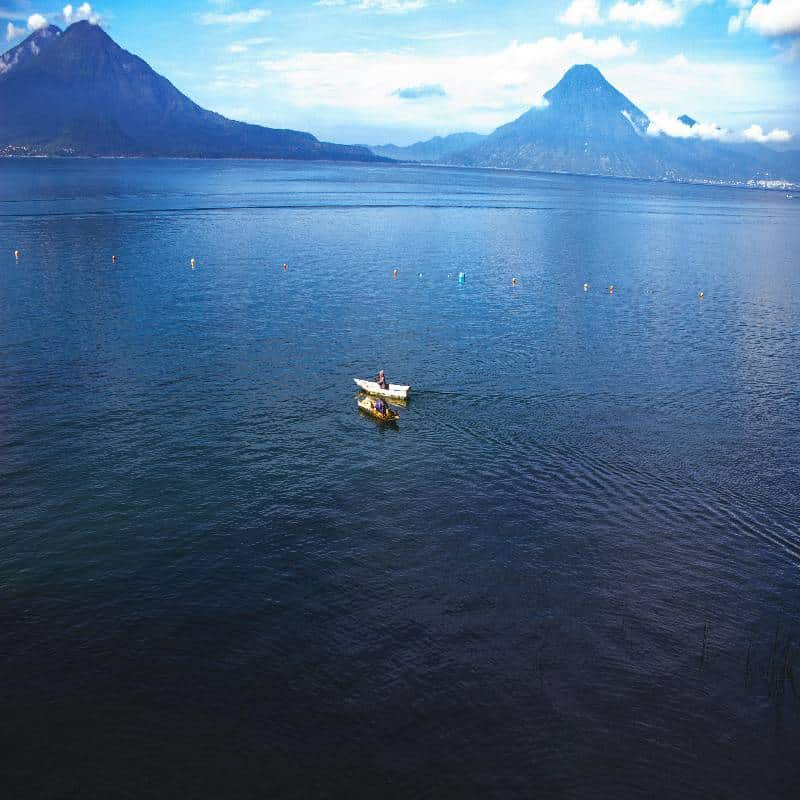
Kayaking can be a peaceful way to see the shoreline, especially in the morning when the water is calmer. It gives you a different perspective on the villages and cliffs around the lake. It also feels pleasantly simple. No major strategy, no big schedule, just being out on the water for a while.
Local art and weaving cooperatives
San Juan is especially known for women’s weaving cooperatives, art studios, and coffee experiences. If you are interested in handmade textiles and local creative traditions, this is one of the most rewarding places to spend a day. Try to approach these visits respectfully and with genuine curiosity rather than treating them as a quick photo stop.
Volcano hikes and nature outings
The wider region offers more serious hiking opportunities too, including volcano routes and nature reserve walks. Some are demanding, others much easier. Conditions vary, and local advice matters, so it is worth checking current recommendations before committing to a trail simply because it looked straightforward online.
Markets and everyday wandering
Not everything needs to be an excursion. Some of the best hours at Lake Atitlán come from wandering a village, finding a small cafe, watching boats come and go, or browsing local market streets. This might sound vague, but it is often how the place settles into memory. The less dramatic moments do a lot of work here.
A simple 3-day itinerary
If you have three days, keep the plan light. Arrive in Panajachel, settle in, and use the first afternoon to walk the waterfront and rest rather than forcing too much. On day two, take a boat to San Juan and San Pedro, or choose San Marcos if you want a slower day with lakeside views and cafes. On day three, do an early activity such as kayaking or a viewpoint excursion, then leave in the afternoon.
This kind of itinerary is enough to get a feel for the lake, though it will probably leave you wanting more. That is not necessarily a bad thing. Lake Atitlán is one of those places that often works better when it leaves a little unfinished.
A better 5-day itinerary
With five days, you have enough time to experience the lake more properly. Stay two nights in Panajachel or Santa Cruz, then move to San Juan or San Pedro for the remaining nights. Use one day for village hopping, one for a sunrise hike or kayaking session, one for slower cultural experiences, and leave one day with very little planned at all.
That final unstructured day matters more than people expect. It gives you room for weather changes, long lunches, extra boat rides, or simply doing very little. And doing very little here can feel surprisingly satisfying.
Costs and budget expectations
Lake Atitlán can suit different budgets, which is one reason it appeals to such a broad range of travelers. Budget travelers can find hostels, simple guesthouses, street food, and low-cost local transport. Mid-range travelers have plenty of boutique hotels, lake-view rooms, and pleasant restaurants to choose from. Higher-end stays exist too, especially if you prioritize scenery, privacy, and comfort over central location.
The main thing that affects your budget is not only where you stay but how often you move and how you travel between destinations. Private shuttles, boutique hotels, and frequent dining out add up quickly. Meanwhile, a slower trip based in one or two towns can feel both richer and cheaper, which is a nice combination when it happens.
Food and cafe culture
Food around the lake varies by town. Panajachel and San Pedro tend to offer the widest range of casual restaurants and traveler-oriented menus. San Marcos often leans toward vegetarian, healthy, and cafe-style places. San Juan has some lovely smaller options that feel more tied to the local rhythm of the town.
That said, this is not a destination to visit only for food. You can eat well, certainly, but the overall experience is more about setting than culinary ambition. A simple breakfast with a volcano view can easily feel more memorable than a technically better meal elsewhere.
Safety and practical judgment
Lake Atitlán is a place where basic travel awareness matters. That is true almost everywhere, of course, but here it is worth being particularly sensible with transport timing, trail decisions, valuables, and after-dark movement in unfamiliar areas. Ask locally about current conditions before hikes, especially if routes are remote or if advice online seems vague.
Do not be alarmed by every dramatic story you read, but do not ignore them completely either. The balanced approach is usually the best one. Take registered transport when possible, keep an eye on your belongings at docks, and avoid assuming that every scenic walking route between villages is a casual stroll. Some are not.
Can you swim in the lake
Some travelers do swim in parts of the lake, and some accommodations have direct water access. But water quality can vary by location and season, and opinions on swimming differ. It is best to ask your hotel or local hosts what the current conditions are where you are staying rather than assuming the entire shoreline is equally suitable.
This is one of those topics where overly simple travel advice becomes unhelpful. The honest answer is not a clean yes or no. It depends on where you are, what recent conditions have been like, and how comfortable you feel.
Lake Atitlán for remote work
Remote workers often gravitate toward San Pedro or San Marcos, depending on whether they want more social energy or more quiet. Both can work, but neither should be treated as a guaranteed productivity paradise. Internet quality varies by accommodation, power issues can happen, and lake logistics are not ideal if you need a highly controlled routine.
Still, for people who want a scenic medium-term base and do not mind adapting a little, it can be a compelling choice. You get mountain air, strong visual surroundings, and enough cafes and community to make longer stays feel enjoyable rather than isolated.
Responsible travel around the lake
Lake Atitlán is not just a scenic backdrop. It is home to communities with deep cultural histories and contemporary realities that travelers only partly see. Support local guides, buy from cooperatives and small businesses when you can, ask before photographing people, and try not to reduce every village to a mood board for your trip.
This does not mean being tense or performative about doing everything perfectly. It just means paying attention. A little awareness goes a long way, and places like this tend to feel more meaningful when approached with humility rather than entitlement.
Common mistakes first-time visitors make
One common mistake is trying to stay in too many towns during one short trip. Another is underestimating how long boat transfers, steep walks, and check-ins can take. People also tend to assume all villages are interchangeable, which they really are not.
Another mistake is planning every day too tightly. Weather changes, energy dips, and the mood of the place often call for more flexibility than travelers initially expect. If you leave a little space in the schedule, the trip often improves.
Final thoughts on Lake Atitlán Guatemala
Lake Atitlán Guatemala is one of those destinations that can be hard to summarize cleanly because the experience depends so much on where you stay, how quickly you move, and what kind of trip you want. It can feel social, spiritual, scenic, restful, cultural, or mildly chaotic, sometimes all within the same visit. That is part of what makes it memorable.
If you plan it with a bit of intention, especially around your base town and transport style, the lake has a good chance of becoming more than a quick stop on a Guatemala itinerary. It lingers. Perhaps not because every moment is perfect, but because the place feels textured and real. And honestly, that tends to last longer in the mind than perfection does.