
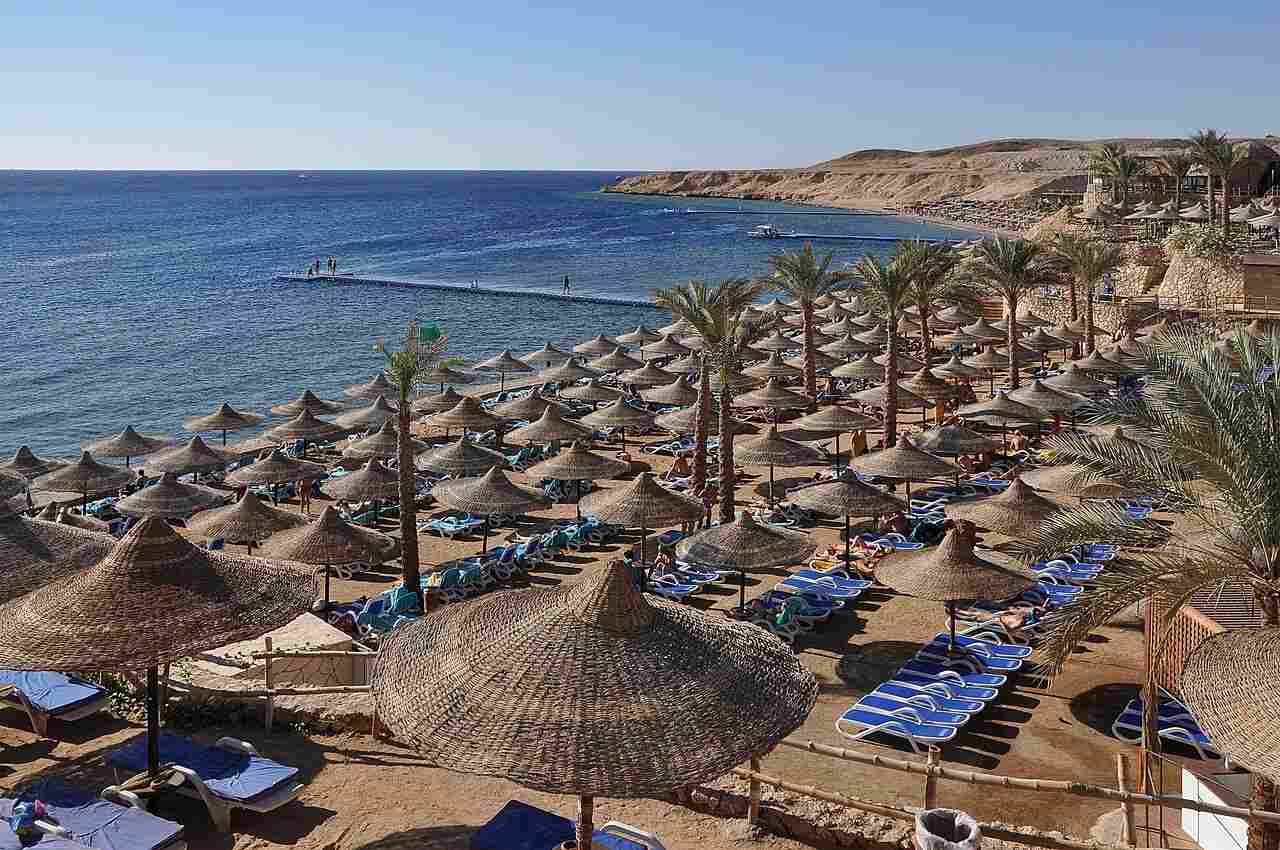
What makes Sharm’s coastline different
Sharm’s best “beach moments” often happen just a few meters offshore. That’s the big difference. Many areas here aren’t endless sandy shallows; they’re reef-front beaches where the underwater scenery starts immediately, and the swim is more about floating, snorkeling, and drifting over coral than wading around.
That’s also why Sharm attracts divers and snorkelers. The Red Sea is famous for visibility and marine life, and Sharm’s protected areas take that up a notch. Still, expectations matter: if someone in your group wants a wide, soft, shallow shoreline for hours of paddling, you’ll want to choose carefully (or mix in a day trip somewhere else).
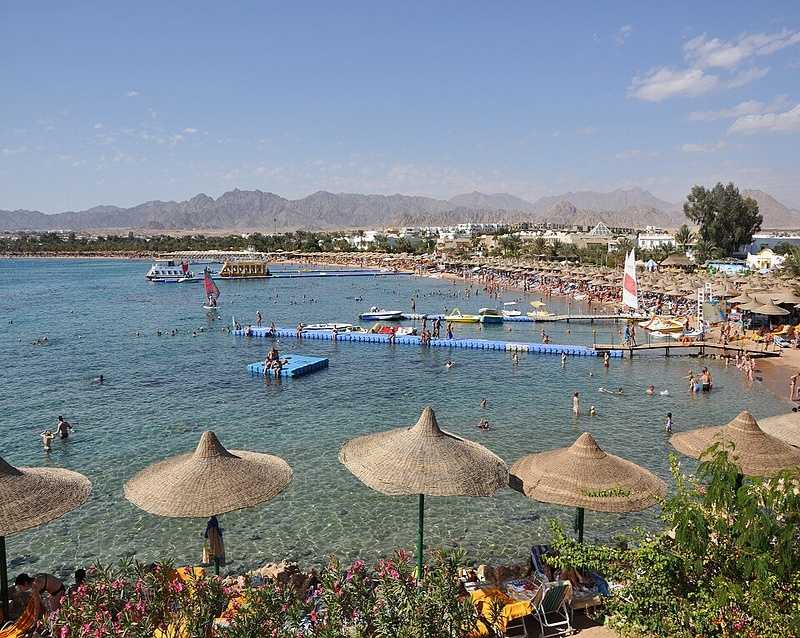
Best beach areas in Sharm El Sheikh
Sharm isn’t one single beach. It’s more like a string of beach zones—each with its own personality. Some are resort-style, some feel more local, and a few are basically gateways to the reef.
Naama Bay
Naama Bay is the classic “Sharm postcard” area. It’s lively, walkable, and convenient—especially if you like having cafes, shops, and water activities close together. It can also be busy, which is either fun or mildly overwhelming depending on your mood that day.
If you’re trying to keep things simple—one hotel, minimal transport planning, easy beach access—Naama Bay usually delivers. Just keep in mind that “easy” sometimes means “popular,” and popular means you’ll share the shoreline.
Ras Um Sid
Ras Um Sid is one of those names that keeps coming up for a reason. The snorkeling can be genuinely impressive, and the reef drop-off makes it feel dramatic, even if you’re not a serious diver. It’s less of a “sandcastle beach” and more of a “mask on, float, and stare at fish for an hour” beach.
One practical note: reef-front entries can be rocky, and jetties are common. Water shoes help, and a calm mindset helps more. This is not the beach where you rush in holding a drink and chatting—well, you can, but you’ll probably regret it.
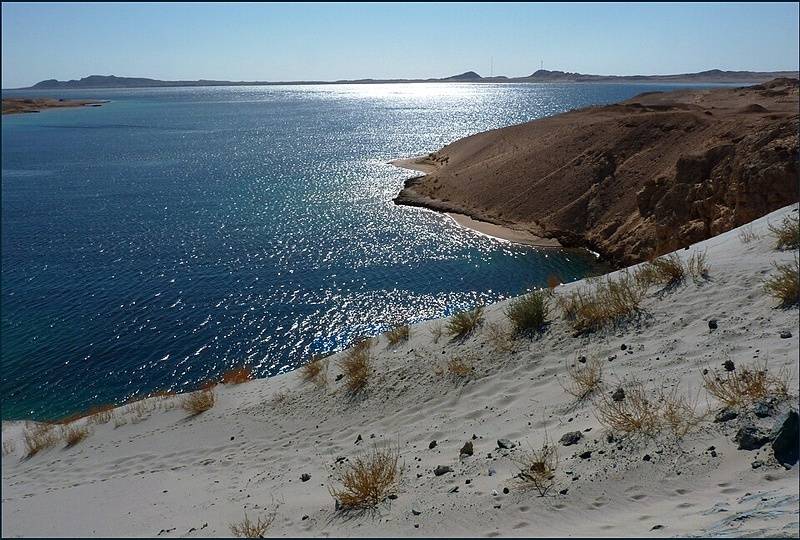
Ras Mohammed National Park: the big day out
At some point, most beach travelers in Sharm hear about Ras Mohammed National Park—and honestly, it deserves the hype. It’s known for standout snorkeling and diving sites, and it’s one of the easiest “wow” day trips you can do from town.
There’s usually an entrance fee involved, and many snorkel and dive operators collect it as part of your trip. Some dive centers mention a marine park fee of 7 EUR per person per trip (policies can change, so treat that as a planning estimate, not a promise). If you’re the type who likes clarity, it’s worth asking your operator what’s included before you pay.
It’s also a place where good habits matter. Don’t stand on coral, don’t chase wildlife, and don’t treat the reef like a theme park. It’s a living system, and it’s fragile in ways that aren’t obvious until you’ve seen damage up close.
Snorkeling and diving: what to expect (and what to be careful about)
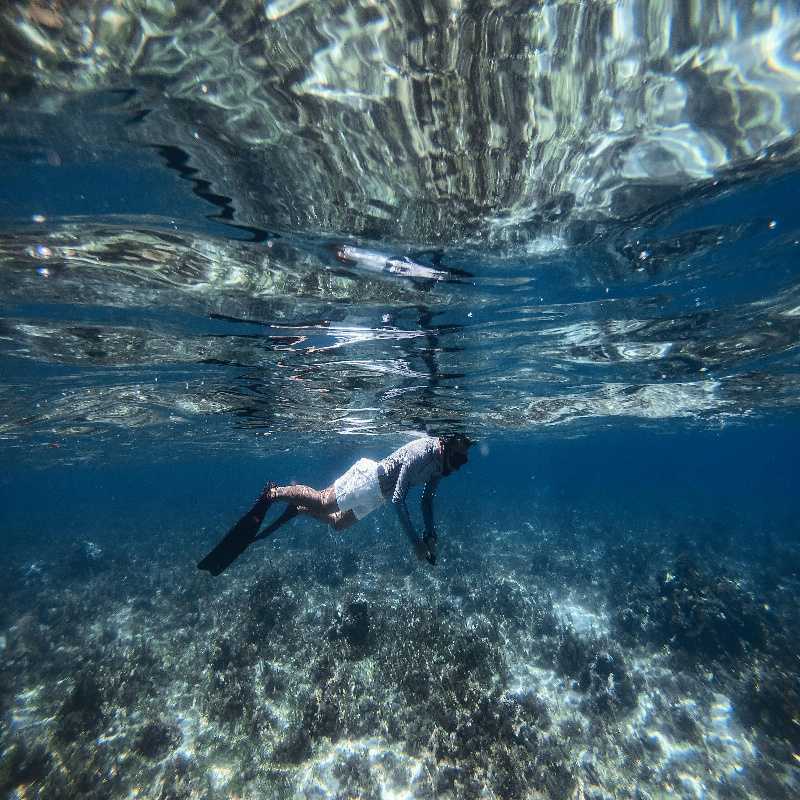
Sharm is built for water time. Boat days, shore snorkeling, intro dives, certification courses—it’s all there. The experience varies wildly depending on your operator and on the day’s wind, though, so it helps to be flexible.
If you’re a newer snorkeler, pick calmer conditions and don’t be shy about using a flotation aid. There’s no prize for struggling. Also, keep your fins away from coral—accidental kicks do more damage than people realize.
Health-wise, this is one of those moments where official advice is reassuring: the CDC notes that schistosomiasis risk comes from freshwater exposure, and that swimming in the Red Sea does not pose a risk for acquiring schistosomiasis. That’s not an excuse to be careless, but it does remove a common worry for first-timers who hear “parasites” and immediately panic.
When to go (and how weather changes the vibe)
Sharm runs year-round, but the feel changes with the season. Peak winter months are comfortable, especially if you dislike heat, but they can be busier. Summer is intense—bright, hot, and a bit relentless in the afternoon. Some people love it. Others last ten minutes outside and start negotiating with themselves.
If you want that “warm sea, pleasant air, fewer crowds” balance, shoulder seasons are often the sweet spot. The water stays inviting, and you don’t feel like you’re sprinting between shade patches.
Where to stay: choosing the right beach setup
In Sharm, your hotel choice can basically define your beach experience. A resort with a house reef means effortless snorkeling—walk out, mask on, done. A hotel away from the water might be cheaper, but you’ll spend more time arranging transport, day passes, or tours.
Families often prefer calmer, managed beach areas with easy entries and facilities. If that’s you, it may also be worth comparing Sharm’s setup with the Red Sea’s more “wide sandy bay” feel in Hurghada. The Hurghada beaches for families guide helps with that comparison without making it complicated.
What to pack for Sharm’s reef-front beaches
This isn’t a heavy-packing destination, but a few things make a big difference:
- Water shoes (rocky entries happen more than you’d think).
- Mask that fits your face (rentals can be fine, but fit is everything).
- Reef-safe sunscreen (you’ll use more than you expect).
- Light long-sleeve top or rash guard (sun protection without constant reapplying).
- Dry bag for boat days.
There’s a small contradiction here, and it’s real: Sharm feels easy because it’s tourism-ready, yet it rewards the travelers who plan thoughtfully. The more “set” you are, the more relaxed you’ll be once you’re actually on the beach.
A quick, realistic 3-day Sharm beach plan
If you like having a loose structure (not a strict schedule), this usually works well:
- Day 1: Naama Bay for a gentle start, sunset walk, early night.
- Day 2: Boat day to Ras Mohammed National Park (snorkeling focus, slow pace).
- Day 3: Ras Um Sid beach time + a relaxed meal and a quieter evening.
Could you cram more in? Absolutely. But Sharm is one of those places where a little space in the schedule makes the trip feel better. You actually notice the water color changes. You actually remember the fish.
Final thoughts on Sharm El Sheikh beaches
Sharm El Sheikh is a beach destination that works on multiple levels. It can be simple—resort, sunbed, swim. Or it can be a full-on Red Sea reef experience where the best part of your day happens with your face in the water. And if the goal is to build an Egypt trip around coastlines, Sharm is a strong anchor point before you branch out.
If you’re curious about less-developed, more offbeat spots (the kind that feel quieter, sometimes rougher, often more memorable), the secret beaches in Egypt guide is a good next read. Then circle back to the bigger planning overview in Beaches in Egypt when you’re ready to stitch the whole route together.