
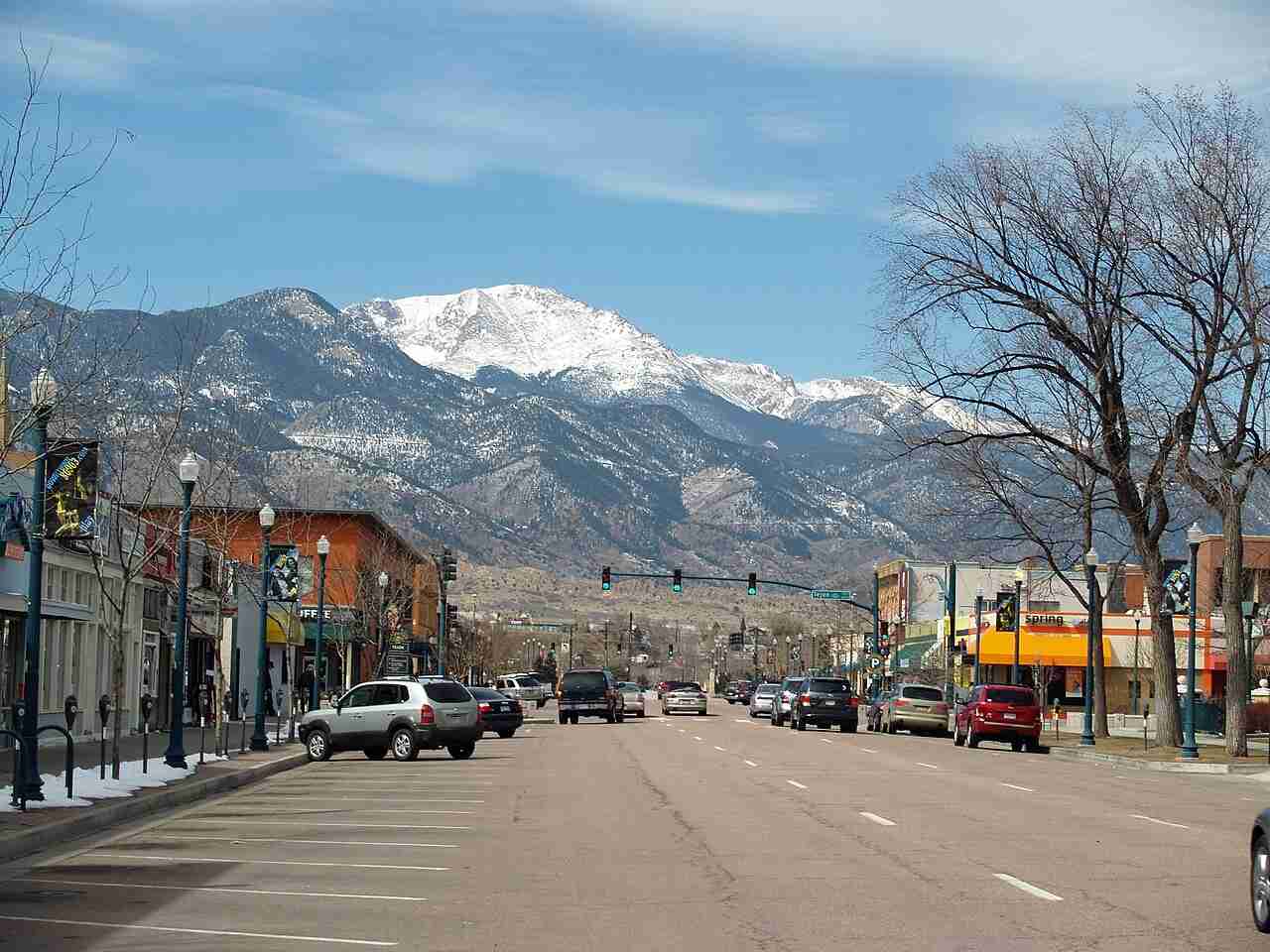
If you’re trying to pin down what to do in colorado springs, I think it helps to admit something up front: Colorado Springs isn’t one single experience. It can feel like a quick, scenic stopover (red rocks, a few short walks, a great museum, done). Or it can feel like a full-on mountain town with real logistics—weather swings, altitude, and a couple of places where you’ll be glad you planned ahead. I’ve done both versions, and honestly, I like both versions.
This is a pillar guide, so it’s detailed. But I don’t want it to be rigid. Use it like a menu: pick the “musts,” choose a few “nice-to-haves,” and leave yourself room to improvise. For a constantly updated, official starting point (especially for seasonal notes and closures), it’s worth scanning the local tourism board’s general things-to-do page while you’re planning.
What to do in colorado springs (start here)
Before we get into the full list, here’s the quickest way to decide what to do without overthinking it. Pick the time you have, then choose the version that matches your energy.
- Half day (3–4 hours): Garden of the Gods + a short downtown stop (museum, coffee, or a long lunch).
- One full day: Garden of the Gods in the morning, then Manitou Springs vibes in the afternoon.
- Two days: Add Pikes Peak (drive or Cog Railway) plus one indoor anchor like a museum.
- Three days: Do the icons, then add one “choose-your-own” day: a challenging hike, a family day, or a budget-friendly day.
And yes, if you’re also searching “best things to do in Colorado Springs” or “Colorado Springs itinerary,” you’re in the right place. I’m just going to be a little more practical than a typical list post. Not because lists are bad. It’s just… lists rarely tell you what to do when the wind is intense, or when you realize you accidentally planned two big altitude days back-to-back.
The classics (and how to do them right)
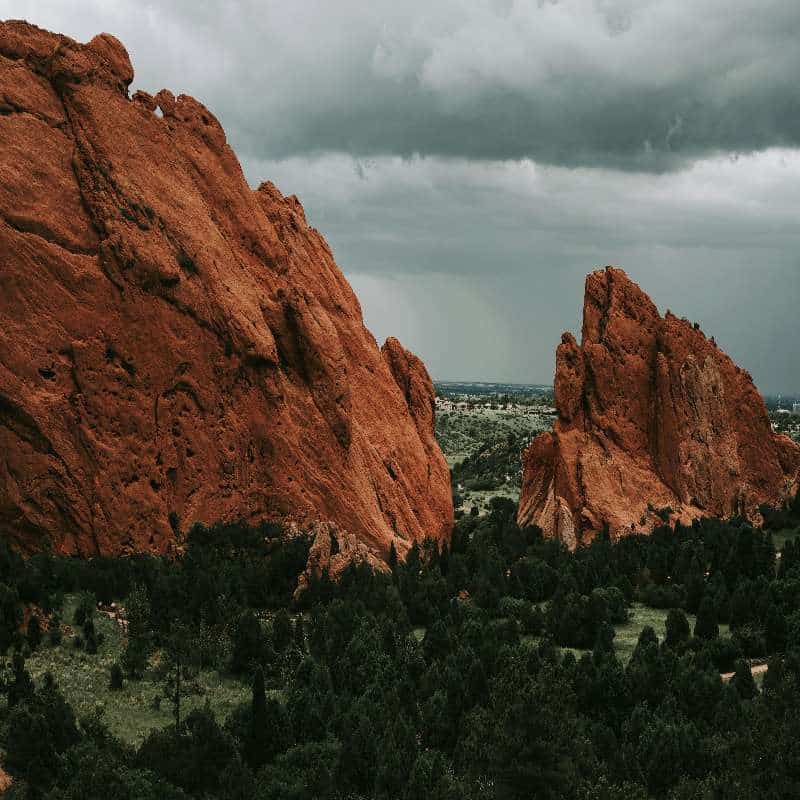
Garden of the Gods: the easiest wow-factor in town
Garden of the Gods is famous for a reason. It’s visually dramatic, it’s approachable, and it works for almost every travel style—solo, couples, families, people who hike a lot, people who don’t hike at all. Visit Colorado Springs suggests using the Garden of the Gods Visitor & Nature Center address as the main entrance in your GPS: 1805 N. 30th St, Colorado Springs. That little detail matters more than you’d think when you’re trying not to miss a turn.
Now the practical part: the park opens at 5:00 a.m. year-round, with a 10:00 p.m. closing time from May through October and a 9:00 p.m. closing time from November through April. Visit Colorado Springs also notes closures on Thanksgiving, Christmas, and New Year’s Day.
If you want your visit to feel a bit more grounded (and less like you’re just staring at rocks and hoping you “get it”), start or finish at the Visitor & Nature Center. Visit Colorado Springs notes the Visitor & Nature Center has different seasonal hours and that both the park and the center are free and open to the public.
One more thought, slightly opinionated: Garden of the Gods is also one of the best “free things to do” anchors you’ll find in the area. If you’re trying to keep costs down (or you just prefer low-commitment days), you’ll probably like our companion guide: free things to do in Colorado Springs. It’s the same destination, just framed for budget decisions.
Pikes Peak: incredible, but it rewards planning
Pikes Peak is where Colorado Springs starts to feel bigger than a weekend. It’s iconic, yes. But it’s also a place where timing and conditions matter. KOAA reported that timed-entry permits are required again through September 30 in the summer season it covered, and the city explained the system is designed to reduce wait times and help ensure enough parking along the highway.
KOAA also noted that, while Pikes Peak is open year-round, it’s recommended that you call 719-385-7325 and select option 1 for current road and weather conditions. I know calling a phone number feels oddly old-school. Still, it’s the kind of small step that can save you from driving into a situation that’s just not worth it that day.
If you want a plain-language explanation of the timed-entry logic, the City of Colorado Springs’ Pikes Peak “Tickets and Reservations” page explains that summit parking is limited and timed-entry reservations are used so guests can secure a parking spot within a two-hour time block. It’s not just a random hoop to jump through.
One pacing note I’ll add (because it’s easy to underestimate): if you’re coming from low elevation, it can be smart to treat Pikes Peak as your “big day,” not something you casually squeeze in after another long hike. Some people feel totally fine. Some people don’t. You won’t know which you are until you’re already up there.
The Cog Railway: a calmer way to do the summit
If driving feels stressful, or you’re visiting at a time of year when conditions can change quickly, the Broadmoor Manitou & Pikes Peak Cog Railway is a strong alternative. The Pikes Peak region’s attraction page is a good place to start if you’re comparing options and trying to understand what the experience is like.
Is it the most flexible plan? Not really. Is it often the easiest plan? Yes. And in travel, “easy” can be a feature, not a compromise.
U.S. Olympic & Paralympic Museum: the best indoor anchor
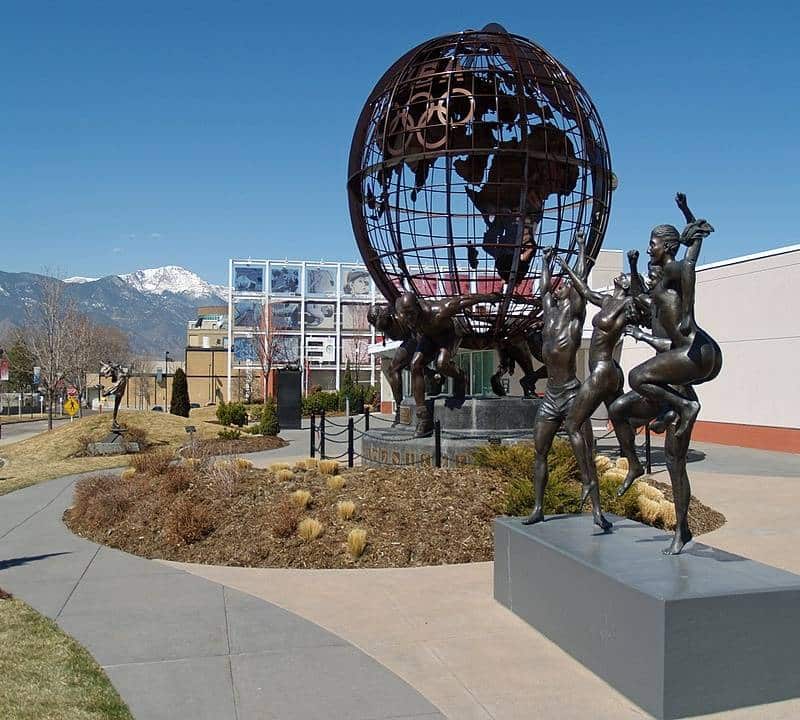
Colorado Springs has a lot of outdoors, but you’ll probably want one indoor “reset” at some point—especially if the wind picks up or you’re traveling with someone who isn’t thrilled about hiking. Visit Colorado Springs lists the U.S. Olympic & Paralympic Museum as a major attraction and a solid option when you’re building a balanced itinerary.
It also pairs naturally with downtown wandering. I like it as a midday or late-afternoon stop, when you’ve already had some sun and you’re ready for something different.
Easy wins by area (so you don’t spend your trip in the car)
Colorado Springs can trick you on the map. Things look close, and then you realize you’ve planned a day that’s mostly driving and parking and re-parking. If you group stops by area, your days start to feel… calmer. More human.
West Side + Old Colorado City + Manitou Springs
This is the classic Colorado Springs “feel” zone: red rocks, foothills, and quick access to the big sights. Garden of the Gods sits right here, so it’s a natural anchor for your first morning.
If you’re tempted by the Manitou Incline, please don’t treat it like a casual add-on. The official Manitou Springs page states that all hikers are required to have a free reservation before starting, reservations can be made online, and each participant must sign a waiver for every visit. It also notes reservation windows are 30-minute arrival times and that reservations open on the first of each month for the current and following month.
Visit Colorado Springs also notes the Incline uses a reservation system, that hikers must make a free online reservation before hiking, and that users should show proof of reservation to an onsite attendant.
If you want a more structured plan that weaves the West Side together without overpacking the day, our cluster post lays it out in a realistic sequence: Colorado Springs itinerary: 3 days that actually flows. I’m mentioning it here because this is exactly where people accidentally build an itinerary that looks fun on paper and feels exhausting in reality.
Downtown Colorado Springs
Downtown is your “balance” zone. It’s where you go when you want to shift gears: a museum, a long lunch, a walk that doesn’t require trail shoes, maybe a quick browse in a shop. The U.S. Olympic & Paralympic Museum is the headline attraction here, and it’s a dependable any-weather option.
I’ll admit something slightly contradictory: I love a packed outdoor day, and I also love the day after a packed outdoor day. Downtown is perfect for that second kind of day.
South/Southwest: family-friendly staples
If you’re traveling with kids (or you’re a grown adult who just enjoys a zoo, which is valid), Cheyenne Mountain Zoo is one of the most reliable family activities in the area. Visit Colorado Springs lists it as a major attraction and a popular stop for visitors.
If your trip planning is specifically centered on “things to do in Colorado Springs for families,” I’d rather not bury you in too many kid-specific details in this already-long pillar. We built a dedicated cluster post for that: things to do in Colorado Springs for families. It’s where we’ll get more honest about what’s easy, what’s actually fun, and what’s a “sounds good but might melt everyone down by 2 p.m.” kind of plan.
Colorado Springs itinerary ideas for real life
If you want a neat, color-coded schedule, I can do that. But I’m not sure you want that. Most people want something that “basically works,” with a little wiggle room. So that’s what this section is: solid itineraries, but not fragile ones.
One day: icons without burnout
Morning: Start at Garden of the Gods. It’s a good first-day choice because it’s flexible and doesn’t require a heroic effort to feel rewarding. Use the seasonal hours as your guardrails, and try to go earlier if you can.
Late morning or midday: Pop into the Visitor & Nature Center for context (and, practically, amenities). Visit Colorado Springs notes both the park and the Visitor & Nature Center are free and open to the public.
Afternoon: Head downtown for the U.S. Olympic & Paralympic Museum, then take your time with dinner.
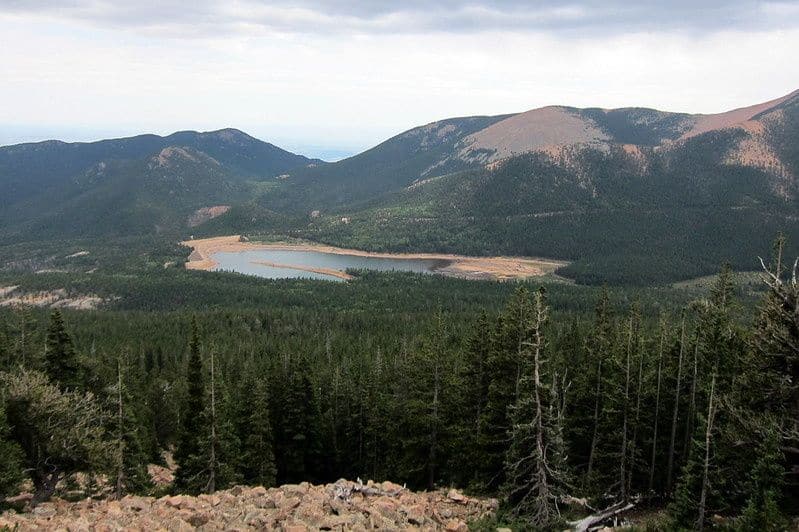
Two days: add Pikes Peak (drive or rail)
Day one: Use the one-day plan above. It’s the best way to get oriented and still enjoy yourself.
Day two morning: Do Pikes Peak. If you’re visiting in the timed-entry season, plan for it. KOAA reported timed-entry permits are required through September 30 for the summer season it covered, and that the system is designed to reduce wait times and improve the experience.
Day two afternoon: Keep it lighter. This is a good spot for an easy walk, a slow meal, or a budget-friendly loop from our free-things guide: free things to do in Colorado Springs. You’ll enjoy Pikes Peak more if you don’t immediately punish yourself afterward with another intense plan.
Three days: one big day, one classic day, one flexible day
Day one (classic): Garden of the Gods + Visitor & Nature Center + an unhurried downtown evening. Use the park’s seasonal hours and holiday closures so you don’t get surprised.
Day two (big): Pikes Peak by drive (with timed-entry planning when required) or by the Cog Railway if you want less stress. If you’re confused about why timed-entry exists, the city’s “Tickets and Reservations” page explains it’s tied to limited summit parking and two-hour arrival blocks.
Day three (flexible): Choose one: a family half-day (zoo), a challenge half-day (Manitou Incline), or a low-cost scenic day (parks and viewpoints). If you choose the Incline, remember it’s reservation-based and requires a waiver each visit, so it’s best planned rather than spontaneous.
If you want this three-day plan in a tighter, more step-by-step format, use the : Colorado Springs itinerary: 3 days that actually flows. It’s the same logic, just packaged so you can follow it without thinking too hard after a long travel day.
Planning notes that make the trip easier
Reservations and permits (the two common surprises)
Colorado Springs is not a “reservations everywhere” destination, but a couple of places do work better with a plan.
- Pikes Peak timed-entry permits: KOAA reported timed-entry permits are required through September 30 for the summer season it covered, with the system designed to reduce wait times and help ensure enough parking.
- Pikes Peak conditions: KOAA recommends calling 719-385-7325 and selecting option 1 for current road and weather conditions.
- Manitou Incline reservations: The official Manitou Springs page states a free reservation is required and that each participant must sign a waiver for every visit.
Altitude and pacing (a gentle reality check)
This isn’t medical advice, just travel common sense: altitude changes how a day feels. If you’re coming from sea level, the safest “feel-good” approach is to start with something scenic and flexible (Garden of the Gods), then build up to the higher effort or higher elevation activities later.
Seasonality without turning it into homework
Garden of the Gods is open year-round, but hours shift by season. Visit Colorado Springs lists the May–October closing time as 10:00 p.m. and the November–April closing time as 9:00 p.m.
Pikes Peak is open year-round too, but conditions can change fast enough that a same-day check is worth it. KOAA’s recommendation to call for road and weather conditions is simple, and I’d follow it.
FAQs
Is Garden of the Gods free?
Visit Colorado Springs states that both Garden of the Gods Park and the Visitor & Nature Center are free and open to the public.
Do you need a reservation for Pikes Peak?
KOAA reported timed-entry permits are required through September 30 for the summer season it covered, as part of managing wait times and parking.
Do you need a reservation for the Manitou Incline?
Yes. The official Manitou Springs page states all hikers must have a free reservation before starting, and each participant must sign a waiver for every visit.
Final thoughts on what to do in colorado springs
If you’re still deciding what to do in colorado springs, my best advice is to plan one “big effort” day and keep the rest pleasantly flexible. Do Garden of the Gods when you’re fresh, respect the reservation systems when they’re in effect, and don’t treat altitude like a fun fact. The trip will feel better—less like a checklist and more like you actually got to be there.
And if you want to keep planning with a little more specificity, these cluster guides are meant to plug into this pillar naturally: Colorado Springs itinerary, things to do in Colorado Springs for families, and free things to do in Colorado Springs.