
If you’re searching for things to do in curacao, you probably want two things at once. The dreamy stuff (water that looks edited, pastel buildings, that warm-night feeling). And the practical stuff—what’s actually worth your time, what’s a bit of a trek, and what you can comfortably do without turning your vacation into a checklist.
I think Curaçao is at its best when you let it be a mix: one day that’s mostly Willemstad and wandering, one day that’s a beach you don’t want to leave, and one day where you go a little wild—north-coast waves, a hike, a boat trip, something that reminds you this island has edges and personality. Curaçao’s own tourism site even leans into that “colorful, vibrant” identity, with beaches and culture as the headline, and it’s honestly accurate.
Below is a flexible, experience-first list. Not every idea will be for you. (That’s the point.) Pick a handful, leave some space for slow lunches, and don’t feel guilty about repeating the same beach twice if it’s the one that hits.
Things to do in curacao (start here)
Let’s make this easy. If you’re a first-timer, I’d prioritize three anchors: a Willemstad day, at least one “west coast cove beach” day, and one nature day (Christoffel area and/or the dramatic north coast). Then add one wildcard: a boat trip to Klein Curaçao, a distillery visit, or something family-friendly like the aquarium.
If you already know you prefer structure, you’ll probably like this: I’ve mapped these ideas into a realistic route in my Curaçao itinerary guide, with 3-, 5-, and 7-day options you can actually follow without sprinting between spots. You can read it here: Curaçao itinerary for 3, 5, and 7 days.
And if you’re mostly here for the water (fair), I’d skim the beach section now and save the rest for later. I also keep a dedicated beach chooser here: best beaches in Curaçao. It’s the same info, just organized for decision-making.
Willemstad: give it a real half-day (or a full one)
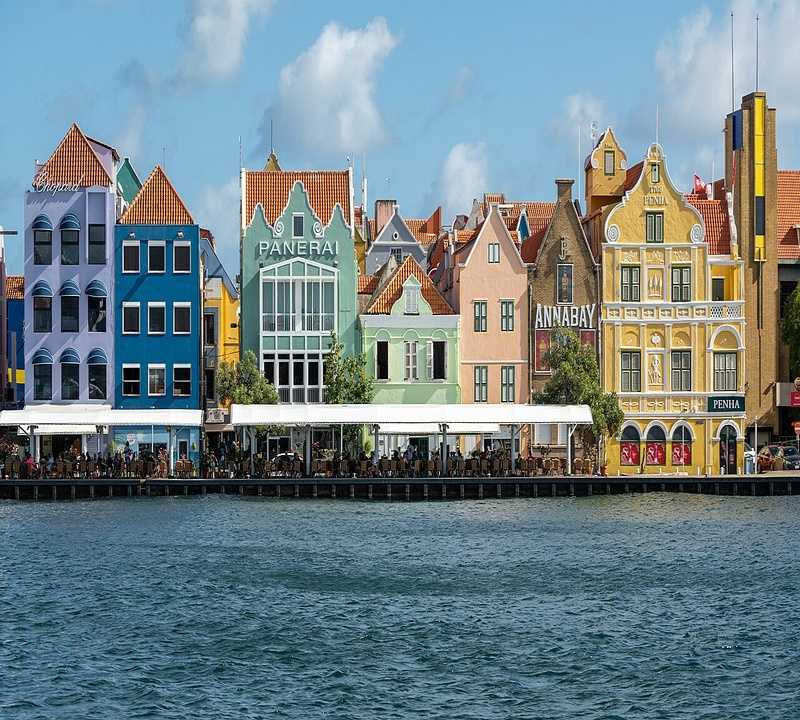
Willemstad is one of those places that looks great in photos, but it’s better when you move through it slowly. Heat makes you pause. A café looks inviting. You end up staying longer than you planned, and somehow that becomes your favorite day.
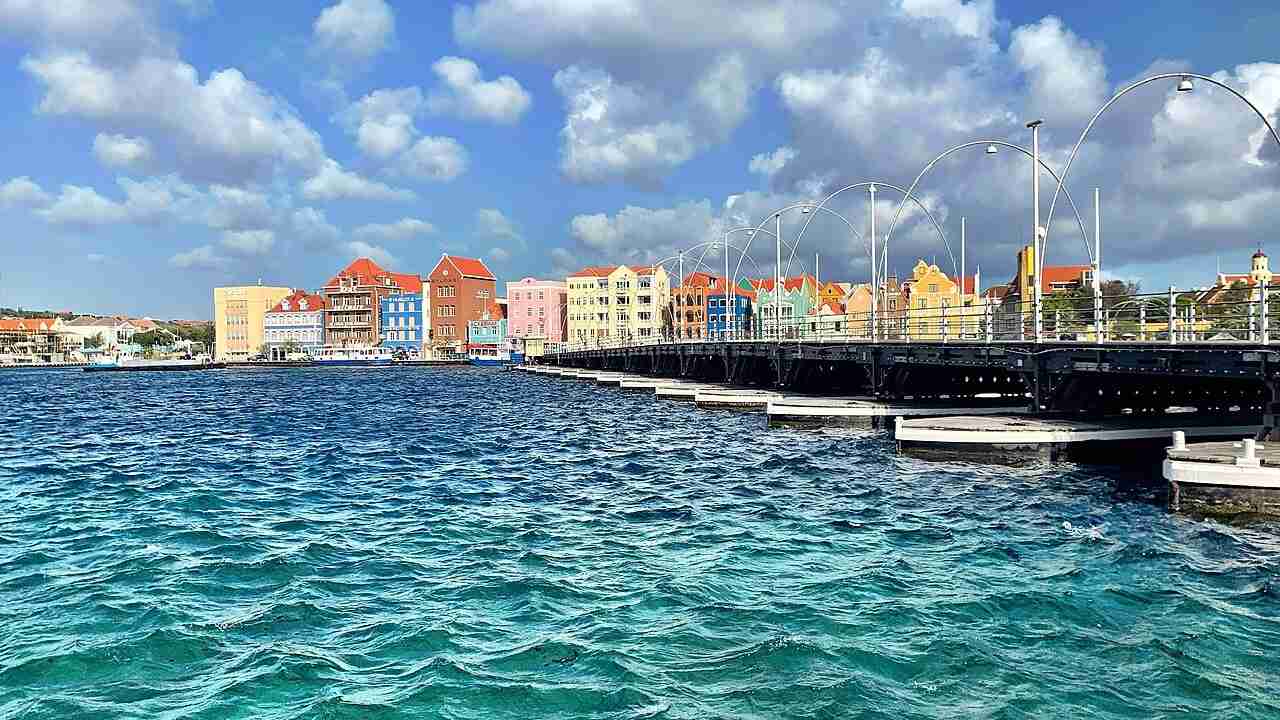
The simplest way to “do” Willemstad—without overthinking it—is to treat it like a loop between Punda and Otrobanda, connected by the Queen Emma Bridge. The bridge is a pontoon bridge spanning St. Anna Bay, and it’s one of those landmarks that feels both practical and slightly theatrical, especially when it swings open to let ships pass.
Here’s a natural walking flow that works well:
- Start in Punda for the classic waterfront views and street-level wandering.
- Cross the Queen Emma Bridge into Otrobanda for a different feel—more residential in places, a bit less polished, sometimes more interesting.
- Pause often. This sounds obvious, but Willemstad rewards pauses: shade, a cold drink, a museum stop if the sun is doing too much.
If you want a more step-by-step route (with timing and optional add-ons), I wrote it as a walk you can follow: Willemstad walking tour (Punda + Otrobanda).
Don’t rush the Queen Emma Bridge moment
Even if you’re not a “landmarks” person, the Queen Emma Bridge is worth a small pause. There’s something quietly charming about watching everyday life funnel across a floating bridge, with water and boats right there. If it opens while you’re nearby, just lean into it—take the unplanned break, look around, and let the city feel like itself.
Beaches you’ll actually remember (pick by mood)
Curaçao beaches are not all the same, and that’s what makes the island so satisfying. Some are social and easy (you show up, rent a chair, order lunch). Others are small coves where you feel like you discovered something, even though—let’s be honest—you didn’t discover it. Still, it feels that way.
I like to think of Curaçao beach days in three categories. You can mix them across a trip depending on energy levels:
- “I want it easy” beaches: Facilities, bathrooms, food, shade options, less friction.
- Snorkel-from-shore coves: You can get a satisfying swim without needing a boat.
- Quiet, car-required beaches: More effort, more payoff—sometimes.
Best beaches in Curaçao for snorkeling (without a boat)
Snorkeling in Curaçao can be surprisingly good right off the beach. The trick is choosing coves with calmer water and clear entry points. If you want the quick “where should I go?” version, use the beach guide I mentioned earlier, because it breaks beaches down by snorkeling, vibe, and facilities in one place.
A few general notes that help (and save mild frustration):
- Water shoes can be a quiet hero on some entries, especially if you’re not used to rocky steps into the sea.
- Go early if you want calmer water and fewer people; it’s not mandatory, but it changes the feel.
- Don’t chase a perfect day. Even an “imperfect” beach afternoon here tends to be a good one.
Klein Curaçao: the classic boat day (with a reality check)
Klein Curaçao is the trip people talk about afterward, which can make it feel like a must-do. And yes—if you like bright water, wide-open horizons, and the feeling of being “out there,” it’s special. But it’s also a full day, it’s a boat ride (not everyone’s favorite), and the sun exposure is intense in a way you can’t really negotiate with.
What a Klein Curaçao day usually looks like:
- Morning departure by boat and a few hours on the water, depending on the operator and sea conditions.
- Beach time, swimming, snorkeling, and long stretches of doing absolutely nothing (in the best way).
- A simple walk to see island landmarks like the lighthouse area, if conditions and time allow.
If you’re prone to seasickness, I’d plan for it instead of hoping you’ll be fine. Sometimes you are fine. Sometimes you’re not. Both are normal.
Christoffelpark: a nature day that feels earned
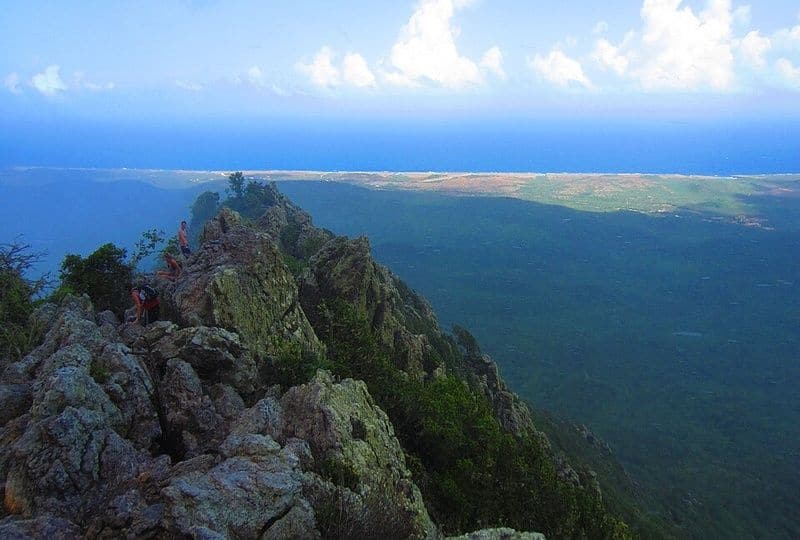
There’s a version of Curaçao that is all sea views and beach clubs, and that’s valid. But there’s another version—drier, rugged, cactus-studded, a little dusty—and it’s the one that makes the island feel bigger than a beach destination.
Christoffelpark is the heart of that. The park is known for the Christoffel Mountain, wildlife like the Curaçao white-tailed deer, and multiple hiking trails. If you’re going to hike, starting early and bringing enough water isn’t just “good advice,” it’s the difference between a satisfying morning and a miserable one.
If hiking isn’t your thing, you can still do Christoffelpark as a scenic nature visit. Not every trip needs a summit. I say that, and I also admit I’m usually happier when I’ve done the harder option. Mild contradiction, but there it is.
Shete Boka: Curaçao’s wild north coast
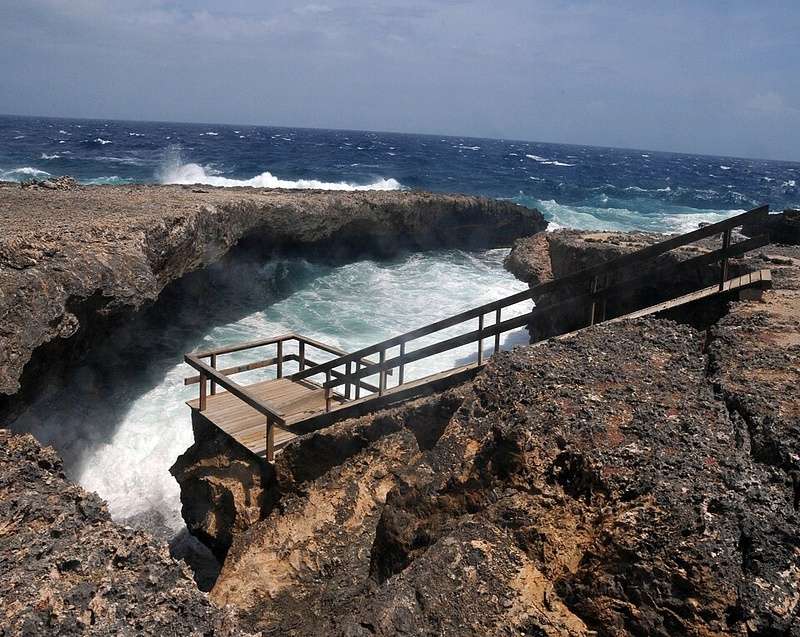
Shete Boka National Park runs along a wave-exposed stretch of Curaçao’s north coast—almost 10 kilometers of rocky shoreline with inlets and serious surf. It’s not a “swim beach” day. It’s a stand-back-and-watch-nature day.
This is a good counterbalance to the calm coves. You go from gentle turquoise water to dramatic, loud ocean energy, sometimes within the same trip. Bring water, sun protection, and a bit of respect for the wind and the edges—this isn’t the place to get cute with cliffside photos.
Sea life experiences (choose thoughtfully)
If you’re traveling with kids, or you just want a break from sun-and-salt, the Curaçao Sea Aquarium is a common pick. The aquarium describes its exhibits as being fed by continuously circulating seawater pumped from the ocean, with tanks representing different marine ecosystems, and it offers things like feeding shows and an underwater observatory experience.
Now, a small pause—because I think it matters. Any time animals are part of an attraction, it’s worth slowing down and deciding what feels right for you. Some people love it, some people skip it, and both choices can be made thoughtfully. If you go, I’d prioritize the educational exhibits and experiences that feel aligned with conservation and care.
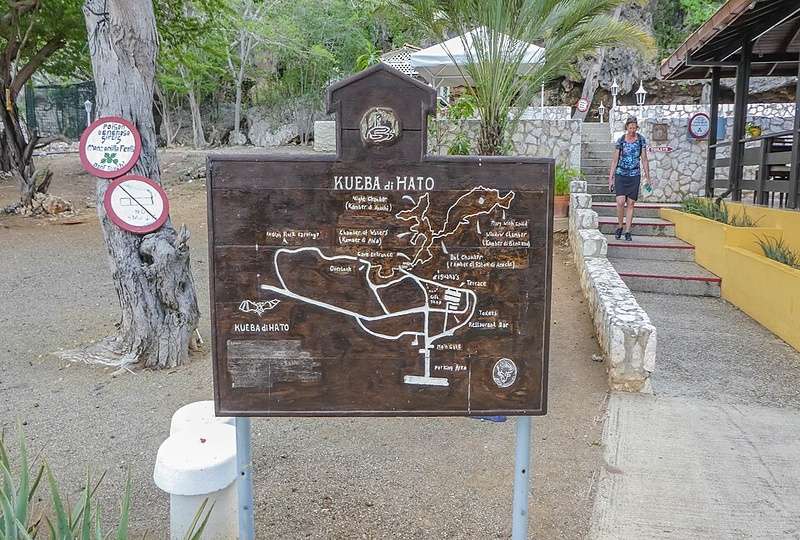
Hato Caves: an easy, different kind of stop
If you want something that isn’t beach or city—especially on a hot afternoon—Hato Caves can work well. The Curaçao tourism site describes the caves as formed below sea level millions of years ago, with limestone formations inside, plus a colony of long-nose fruit bats.
This is one of those stops I’d call “compact.” You’re not committing a whole day. You’re adding a different texture to the trip, and then moving on.
Culture and local flavor (the low-effort wins)
Sometimes the best travel moments aren’t “activities” at all. They’re the in-between things: a snack you didn’t plan, an hour that disappears, a neighborhood that feels lived-in rather than curated.
Here are a few culture-forward ideas that pair nicely with beach-heavy days:
- Do one distillery-style tour if you like food-and-drink history; it breaks up the trip in a satisfying way.
- Eat something local without turning it into homework. Ask a server what they’d order if they were hungry right now.
- Give Willemstad a night, not just a daytime visit. Cities change after dark, even small ones.
Planning notes that make everything smoother
I’m not going to pretend there’s one “right” way to do Curaçao. But there are a few planning truths that keep showing up, and ignoring them usually costs time.
Do you need a rental car in Curaçao?
If your dream trip is mostly resort time plus a few nearby outings, you can get by without one. If you want to explore beaches on the west side, mix in national parks, and stop when something looks interesting, a car starts to feel less like a luxury and more like the thing that gives you freedom.
My personal preference is: rent a car for at least part of the trip. Not necessarily every day. Just enough to have a couple of “open” days where you can follow your curiosity.
How long should you stay?
Three days can be a great taste—Willemstad, one beach day, one nature or boat day. Five days feels comfortable. A week lets you slow down, repeat favorites, and still feel like you’ve seen variety.
If you want the structured version (with realistic pacing and drive-time logic), the itinerary guide is here again: Curaçao itinerary for 3, 5, and 7 days. It’s meant to take the mental load off.
Conclusion: choosing the best things to do in curacao
The best things to do in curacao aren’t the ones you can brag about later. They’re the ones that match your actual travel personality—how much heat you like, how early you’re willing to start, whether you want nightlife or quiet, whether “one more beach” sounds exciting or exhausting.
If you’re unsure, start simple: one day in Willemstad, one day on a beach that makes you linger, and one day in nature (Christoffelpark or the north coast at Shete Boka). Then let the rest be flexible. Curaçao is generous like that—if you give it space, it fills it.