
If you search for things to do in Belize, you’ll notice the same handful of highlights pop up again and again: reef time, a cave adventure, and at least one Maya site. That’s not wrong. It’s just… incomplete.
Belize is small enough that you can mix a jungle base with island days without it feeling like a stressful “travel day” every other morning. But it only works if you make one good decision early: where you’ll sleep. Everything gets easier after that.
This guide is built for first-timers who want the classics (because, honestly, they’re classics for a reason) and also want a few less-obvious experiences that make the trip feel personal.
Things to do in Belize by region (pick your base first)
A lot of Belize advice quietly assumes you’ll do it all from one place. You can, perhaps, but it usually means longer day trips and a slightly rushed pace. Most travelers have a better time splitting Belize into two halves: inland (Cayo) and coast (the cayes or the southern beaches).
San Ignacio (Cayo): caves, ruins, and jungle days
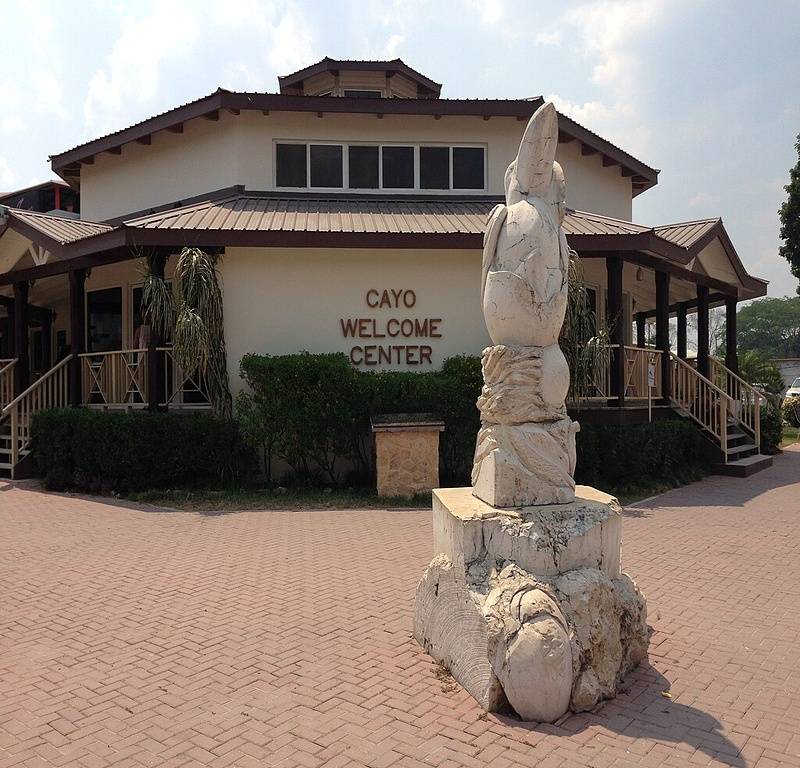
If you like the idea of caves, rivers, ruins, and getting back to a lodge tired in a good way, base yourself around San Ignacio in the Cayo District. This is where Belize feels the most “adventure-forward,” but it can still be comfortable—there’s a spectrum.
The signature experience here is the Actun Tunichil Muknal cave, usually shortened to ATM. It’s a guided trek that includes stream crossings, a swim into the cave, and time inside an important Maya ceremonial site with artifacts and skeletal remains. It’s also called “Xibalba” locally, referencing the Maya underworld, which feels dramatic until you’re actually in there and realize it kind of fits.
If ATM is on your shortlist, do yourself a favor and read a detailed, practical breakdown first. It’s not “hard” in a technical sense, but it is physical and not everyone enjoys tight spaces or cave swimming. You can use this as your dedicated planning page: things to do in Belize ATM cave tour guide.
Beyond ATM, Cayo is also the best launchpad for Maya sites like Xunantunich and for cool-off days at waterfalls and natural pools. Even if you’re not a “hike at dawn” person, you can build a schedule here that’s more scenic than strenuous.
Ambergris Caye and Caye Caulker: reef days and easy wins
For most people, the Belize Barrier Reef is the emotional center of the trip. You can feel it in the way travelers talk about the water—like they’re still surprised it’s real.
Ambergris Caye (San Pedro) tends to feel busier and more built up, with a wider range of hotels and tour options. Caye Caulker tends to feel smaller and slower, the kind of place where an afternoon can disappear and nobody panics. Neither is “better.” It depends on whether you want variety and convenience, or simplicity and quiet.
The easiest, most reliable “wow” day from either island is snorkeling at Hol Chan Marine Reserve and Shark Ray Alley, where nurse sharks and rays are common sightings. If you want a simple, no-overthinking plan, start there.
For a full planning cheat sheet—what to book, what to expect, and how to choose between departure points—use:
snorkeling Hol Chan: things to do in Belize guide.
Hopkins and Placencia: beach time with culture and space
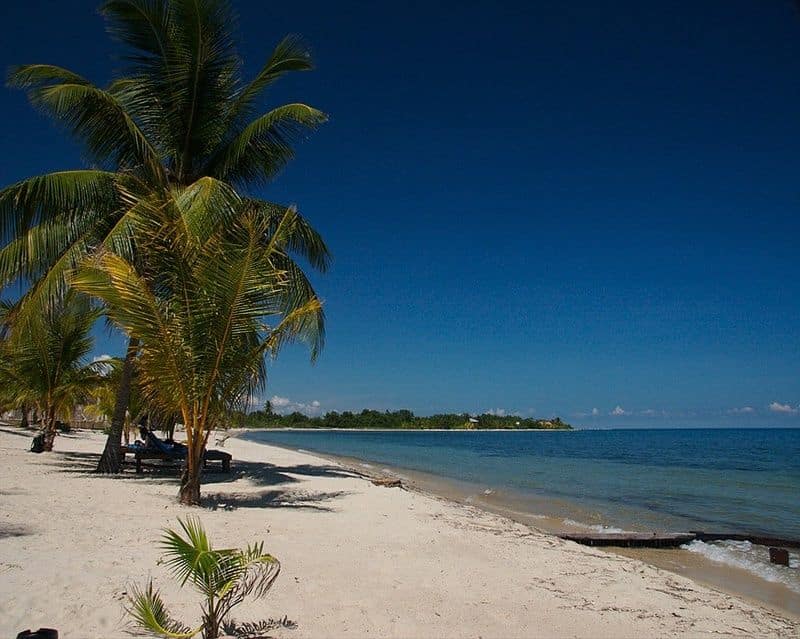
If the cayes feel a bit “too tour-forward,” consider the southern coast instead. Hopkins and Placencia give you beach days, but they also make it easier to dip into culture, food, and inland nature without committing to the full Cayo adventure mode.
Hopkins is also well known for Garifuna culture, including drumming and dance experiences, and if you’re lucky enough to be around on Garifuna Settlement Day (November 19), that’s a genuinely special time to be there.
The signature adventures (the ones you’ll remember)
Now for the good stuff. These are the experiences that come up again and again for a reason—but the “right” version of each one depends on your comfort level, budget, and how active you want to be.
Do the ATM cave tour (if you’re up for it)
ATM is often described as the best single adventure in Belize, and that’s not just hype. It starts with a drive from the San Ignacio area, then a hike through jungle terrain with multiple stream crossings, and then a swim into the cave entrance. Inside, you’re moving through water-filled passages and tighter areas with a guide.
And then you reach the archaeological heart of the cave: Maya ceremonial objects and skeletal remains. Belize’s tourism board highlights ceramics, stoneware, and skeletons found inside, and even calls out famous finds like the “Monkey Pot” and the “Crystal Maiden.”
A very honest note: ATM is physically demanding. It’s not a casual stroll. If someone in your group has knee issues, hates enclosed spaces, or doesn’t feel safe swimming in open water, you may want to choose cave tubing instead—or save ATM for a future trip when it feels like a confident “yes.”
Go cave tubing (more accessible, still memorable)
Cave tubing is a Belize classic because it’s fun, cooling, and generally easier to say yes to than ATM. You float through cave systems on an inner tube with a guide, usually after a short hike in.
It’s one of those activities that sounds a bit touristy when you read it, but feels surprisingly peaceful once you’re actually under the rock ceiling, drifting along and listening to water echo.
Snorkel Hol Chan and Shark Ray Alley
If you do only one ocean activity in Belize, snorkeling Hol Chan is the simplest choice with a high chance of payoff. The reef life is rich, and Shark Ray Alley is a known stop on many tours for close-up encounters with nurse sharks and rays.
It’s also one of the easier “shared wins” for mixed groups. Strong swimmers can wander a bit farther. Nervous swimmers can stay close to the guide. Everyone gets a story out of it.
Scuba dive (or snorkel) the Great Blue Hole—carefully
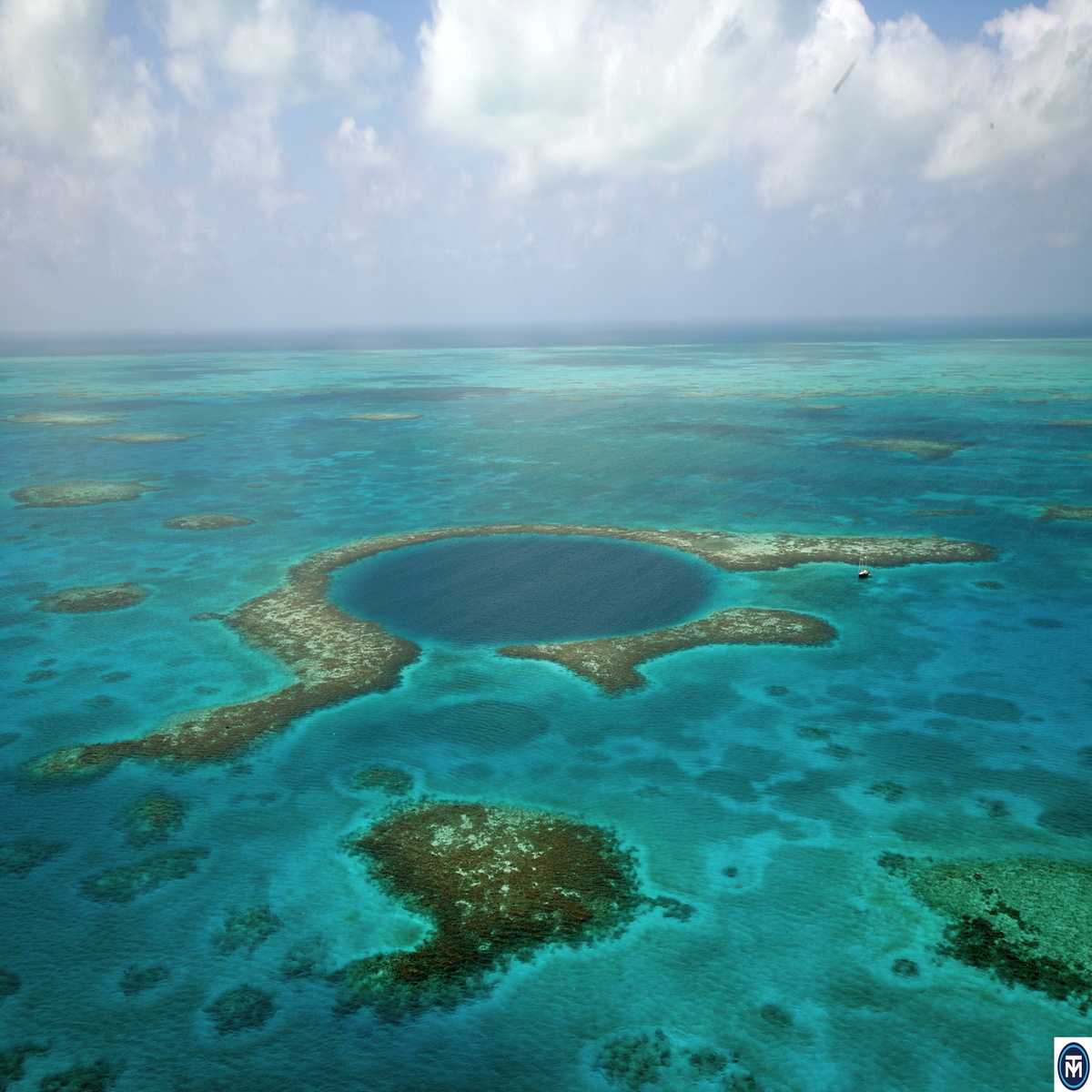
The Great Blue Hole is iconic, and divers in particular dream about it. It’s a deep sinkhole at Lighthouse Atoll, and experienced divers often go for the stalactites and the feeling of dropping into a dark blue circle in the middle of the sea.
But here’s the mild contradiction: it can be a “bucket list” moment, and still not be the best use of your one precious big boat day. Some travelers genuinely prefer spending that time on shallower reef sites with more visible marine life. Both reactions are valid.
If you’re a certified diver and you’ve wanted the Blue Hole for years, go. If you’re on the fence, you might be happier with local reef dives and a relaxed afternoon back on the island.
Maya ruins: choose one (or two), not five
Belize has a deep Maya history, and ruins are scattered throughout the country. You could try to see a lot of them, but most people enjoy the trip more if they pick the ruins that match their route.
Altun Ha: the easiest big ruin day trip
Altun Ha is one of the most accessible major Maya sites in Belize, which is why it’s so popular for day trips. If you’re staying near Belize City or heading to the islands and want a history day without complicated logistics, it fits neatly.
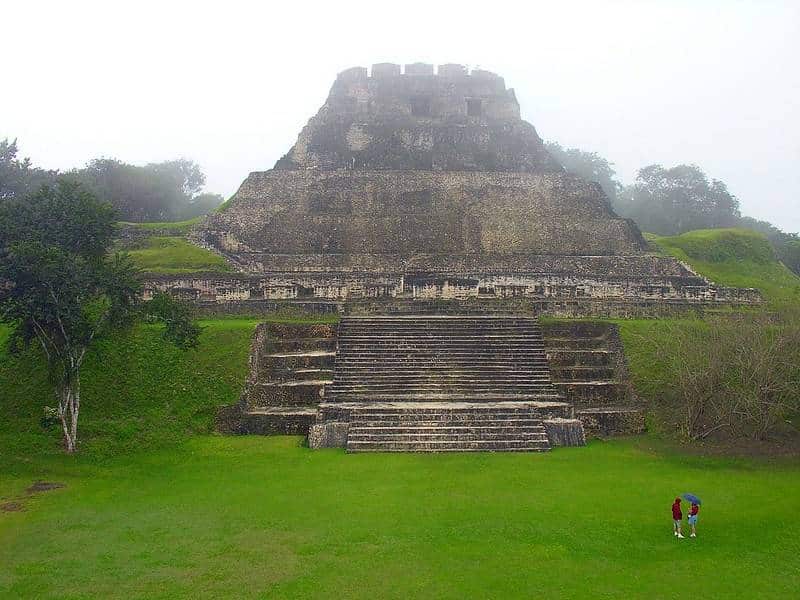
Xunantunich: classic Cayo views
Xunantunich is a favorite from the San Ignacio area. It’s the kind of place where you climb up, catch a wide view, and suddenly the “why” of Maya city placement makes intuitive sense.
Lamanai: ruins plus a scenic journey
Lamanai is often remembered as much for the journey as for the site itself, because it’s commonly reached via river travel. If you like wildlife spotting and you want the ruins day to feel like a mini-expedition, it’s an excellent choice.
If you want the cleanest “which ruin should I pick?” decision guide, use this planning page: things to do in Belize Maya ruins comparison.
Wildlife and nature that doesn’t feel forced
Belize is not just a reef-and-ruins destination. Some of the best moments are smaller: a bird call you can’t identify, a river bend, a sudden rainstorm that cools the air.
Cockscomb Basin Wildlife Sanctuary (jaguar country)
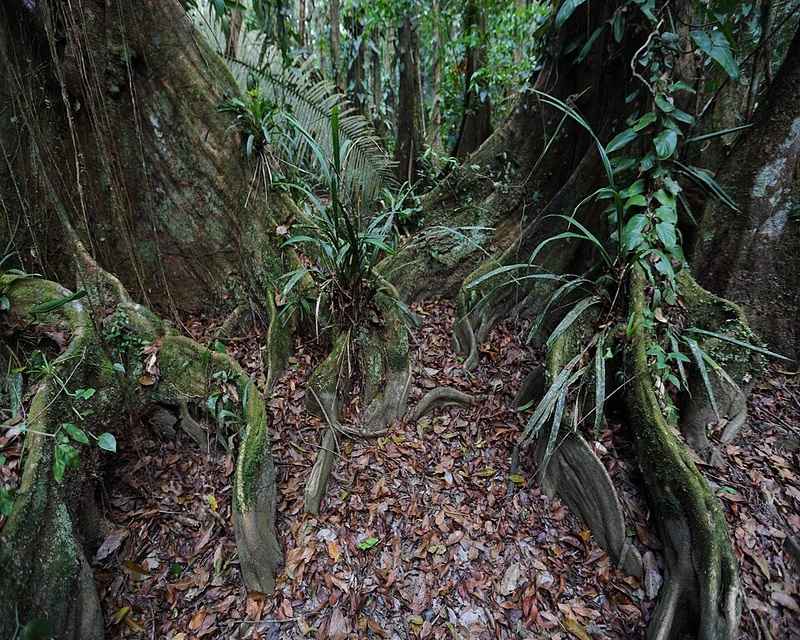
Cockscomb is famous for jaguars—though they’re difficult to spot in the wild. The better way to think about it is: you’re walking through habitat that still supports apex predators. Even if you don’t see one, the forest feels alive in a way that’s hard to fake.
The Belize Zoo (easy, surprisingly meaningful)
If you want a wildlife day that’s logistically simple, the Belize Zoo is often recommended as a way to learn about local species, and it’s an easy stop on routes between major areas. It can be a nice “reset” day between bigger adventures.
Food, culture, and small local favorites
It’s tempting to plan Belize as a checklist of tours. But food and everyday culture are usually what makes a destination feel real.
Try a fry jack (breakfast that turns into a habit)
Fry jacks show up everywhere, and it’s easy to get attached. They’re simple, filling, and somehow they make mornings feel slower in a good way.
Garifuna drumming in Hopkins
If you’re in Hopkins, look for opportunities to experience Garifuna music and drumming. It’s not “background entertainment.” It’s identity and history expressed out loud.
Bring home hot sauce (yes, really)
Belize has a strong hot sauce culture, and Marie Sharp’s comes up often. This is the kind of souvenir that actually gets used later, which is rare.
Itineraries that feel realistic
There are infinite ways to do Belize. These are a few that tend to work well in real life—meaning: you’re not sprinting, and you’re not spending every day on a bus.
5 days in Belize: one base, one “big” adventure
Pick either San Ignacio or an island base.
- San Ignacio version: ATM + one ruins day + one tubing/waterfall day + one chill town day.
- Island version: Hol Chan snorkeling day + one extra reef day + one slow beach day + one optional mainland ruins day (Altun Ha fits best).
7 days in Belize: the classic split (best for first-timers)
Do 3 nights in San Ignacio, then 4 nights on Ambergris Caye or Caye Caulker.
- San Ignacio: ATM (or tubing) + Xunantunich + a waterfall/nature day.
- Cayes: Hol Chan + one additional snorkeling/diving day + one unplanned day.
10 days in Belize: add the south (or slow down)
This is where Belize gets really comfortable. You can add Hopkins/Placencia for a few nights, or just slow the pace and let weather decide a day or two.
- 3–4 nights San Ignacio (caves + ruins).
- 3–4 nights cayes (reef time).
- 2–3 nights Hopkins/Placencia (culture + coast + space).
Booking tips and “good to know” reality checks
A few practical notes that save headaches:
- ATM is guided and physical. Expect stream crossings, cave swimming, and time inside the cave. Don’t book it for the day after a late night, unless you enjoy suffering a little.
- Respect marine rules. Belize takes reef protection seriously, and tour operators generally follow guidelines closely—go with that flow.
- Weather can change plans. Cave tours may be affected by heavy rain, and sea conditions can make snorkel trips bumpier than expected.
- Build in one “empty” day. It sounds like wasted time, but it often becomes the day you remember most.
Final thoughts on things to do in belize
The best things to do in Belize aren’t necessarily the most extreme or the most famous. They’re the ones that match how you actually like to travel—your energy level, your comfort with water, your curiosity about history, your need for quiet.
A good Belize trip usually has three ingredients: one unforgettable adventure (ATM for many people), a few reef days that make you feel like you’re living inside a postcard, and enough unplanned time that the country can surprise you.