

There are a lot of guides on things to do in Bogota Colombia, but this one is designed to feel like having a well-traveled friend walk you through the city step by step, with enough detail to actually plan your trip.
Bogota is busy, high up in the Andes, and at first glance maybe a little intense. Give it time. Between its historic center, world-class museums, street art, food, and easy day trips, it can be one of the most rewarding cities in South America if you know how to approach it.
Why visit Bogota
Bogota is Colombia’s high-altitude capital, a sprawling city of over seven million people surrounded by green mountains and moody clouds. It’s where colonial history, modern business districts, student life, and edgy art scenes all collide in one place. You get serious museums, colorful streets, parks, nightlife, and coffee culture in a way that feels distinctly Colombian, not just generically “Latin American”.
For many travelers, Bogota is a gateway to the rest of the country, but it doesn’t have to be just a one-night stopover on the way to Cartagena or Medellin. If you slow down a bit, plan your days by neighborhood, and keep your expectations realistic (including the weather and altitude), three to five days here can feel surprisingly rich and varied.

Where to stay in Bogota
Choosing the right neighborhood in Bogota matters more than in many other cities. Distances are long, traffic can be heavy, and each area has a very different feel. You don’t have to agonize over it, but it’s worth matching your base to your travel style rather than just picking the cheapest room you see.
La Candelaria: historic and atmospheric
La Candelaria is Bogota’s colonial heart: narrow streets, colorful houses, old churches, and some of the city’s best museums. It’s where many of the classic things to do in Bogota Colombia are concentrated, like Plaza de Bolívar, the Gold Museum, and the Botero Museum. If you love walking around on foot, taking photos, and joining free walking tours, this area makes a lot of sense.
The trade-off is that La Candelaria can feel quieter and a little rough around the edges at night. Many travelers stay here without issues, but you do need to be more cautious after dark and use taxis or ride-hailing apps instead of walking long distances. For short stays focused on sightseeing and history, though, it’s hard to beat the convenience.
Chapinero and Zona G: local, creative, and central
Chapinero sits north of the historic center and has a more local, lived-in feel, with a mix of residential streets, universities, cool cafés, and small bars. Zona G, within this broader area, is known for its cluster of good restaurants, bakeries, and coffee shops. If you like the idea of staying somewhere that feels less touristy but still very accessible, this is a strong middle-ground choice.
This part of the city is excellent for food-focused travelers and digital nomads. You can spend your days exploring La Candelaria and the main attractions, then return to Chapinero for a quieter dinner and more modern accommodation options. It’s also a practical base if you plan to explore nightlife in both Chapinero and Zona Rosa, as you’re more or less between the two.
Zona Rosa, Parque 93, and Usaquén: modern and nightlife-friendly
Further north, you’ll find the more polished, modern side of Bogota: Zona Rosa (often called Zona T), Parque 93, and the neighborhood of Usaquén. These areas have big shopping centers, trendy restaurants, rooftop bars, and some of the city’s most famous nightlife spots. They tend to feel safer, especially at night, compared to downtown, which is why many visitors choose them as a base.
If your idea of a great city break includes cocktails, international dining, and late nights, staying here helps a lot. You’ll have a longer commute to the historic center during the day, but spending your evenings somewhere that feels lively and comfortable can be worth the trade. Usaquén in particular has a more village-like charm, with cobblestone streets and a popular Sunday flea market.
Best things to do in Bogota Colombia (by area)
To make the city easier to digest, it helps to think of the main things to do in Bogota Colombia in clusters: the historic center, the museums, the viewpoints and parks, the markets, and the more modern neighborhoods in the north. That way, you can group activities together and avoid zig-zagging across town all day.
The sections below are organized more like how you’d actually explore the city in real life, instead of a random top-20 list with no sense of geography. You can also slot these activities directly into a one, three, or five-day plan later on, which ties in neatly with a more detailed Bogota itinerary.
Explore La Candelaria and Plaza de Bolívar
Start in La Candelaria, because it gives you a feel for the city’s historical roots and sets the tone for the rest of your visit. The streets here are full of colorful facades, murals, small hostels, and old churches, and it’s one of the best areas to simply wander with no fixed agenda for an hour or two. Free walking tours usually begin around this neighborhood and will help you connect the architecture with Colombia’s complicated political and social history.
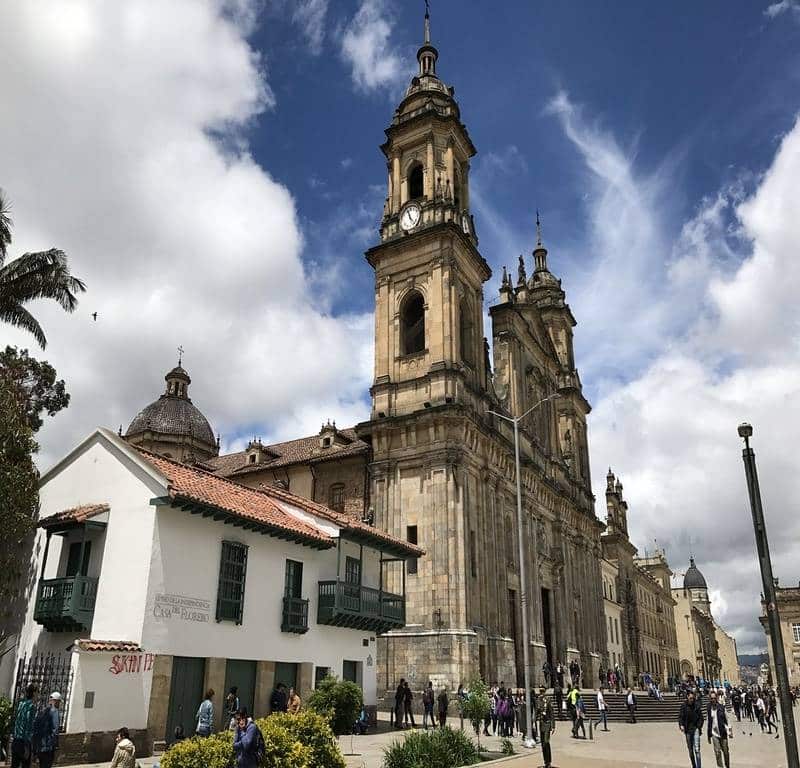
Plaza de Bolívar is the main square, framed by the cathedral, government buildings, and flocks of pigeons that have probably starred in thousands of tourist photos. The atmosphere changes depending on the time of day and whether there are demonstrations, street performances, or just office workers passing through. While you’re here, keep an eye on your belongings, walk with purpose, and avoid flashing your phone too much, but don’t let safety worries stop you from spending time in this central spot.
Visit the Gold Museum and Botero Museum
Two of the most important cultural stops in Bogota are the Gold Museum (Museo del Oro) and the Botero Museum. The Gold Museum houses one of the largest collections of pre-Hispanic gold artifacts in the world, laid out in a way that gradually explains the symbolism, techniques, and cultures behind each piece rather than just showing shiny objects in glass cases. It’s surprisingly absorbing, even if you don’t think of yourself as a “museum person”, and a rainy afternoon there feels like time well spent.
The Botero Museum, a short walk away, focuses on the work of Fernando Botero, Colombia’s most famous artist, known for his distinctive, exaggerated figures. The collection also includes pieces by other major artists, and the building itself—a colonial house with courtyards—is a pleasant place to slow down for an hour. Entry is often free, which makes it even easier to recommend. If you love art and want to dive deeper, you can always spin off into a more specialized Bogota art guide later on your site.
Ride the cable car to Monserrate
Monserrate is the mountain that towers over the city with a white church perched on top, and seeing Bogota from up there is one of those classic experiences that almost everyone ends up doing. You can reach the summit via cable car, funicular, or on foot (for those who are fit, cautious, and comfortable with the safety situation), and the views from the top make it much easier to understand just how huge and spread out the city is.
Because of the altitude, it’s a good idea to take it slow and drink water, especially if you’ve just arrived in Colombia and your body hasn’t had much time to adjust. Many travelers prefer going up in the late afternoon, watching the city light up as the sun sets, and then heading back down before it gets too late. When you write your own content, you can be quite specific here: mention typical prices, how long lines can be, and realistic time frames so readers can slot Monserrate into their Bogota itinerary without guesswork.
Discover Bogota’s street art and bike culture
Bogota has become known for its street art, especially in and around La Candelaria and other central neighborhoods where large murals take over entire walls. Taking a dedicated street art tour with a local guide is one of the best ways to decode the political messages, humor, and social commentary hidden in the paintings. It also gives you a more nuanced view of the city than just “colorful walls”, which is what you get if you stroll alone without context.
On Sundays and some holidays, the city closes several main roads to cars for Ciclovía, turning them into giant open-air corridors for cyclists, runners, and families. Joining a bike tour or renting a bike during Ciclovía is a fun way to cover more ground, get some fresh air, and feel part of local life instead of just observing from the sidewalk. If your site plans to have a full guide to cycling in Bogota or an in-depth safety piece, this is a natural point to link to those cluster articles later.
Parks, gardens, and wetlands
For such a busy capital, Bogota has a surprising amount of green space, and it’s worth carving out time to experience at least one or two of its major parks. Simón Bolívar Metropolitan Park is a huge recreational area used for concerts, jogging, family outings, and festivals, and it can be a refreshing break from concrete and traffic. Walking or biking here gives you a glimpse of everyday Bogotano life rather than just tourist sights.
The city’s botanical garden is another good option, especially if you’re interested in Colombia’s incredibly diverse flora. Organized spaces of Andean plants, greenhouses, and quiet paths make it a calm retreat when the weather is kind. If you are a birdwatcher or simply curious about urban nature, some of Bogota’s wetlands, like Santa María del Lago, offer a chance to see waterbirds and local ecosystems that many visitors never even hear about.
Shopping streets, markets, and local neighborhoods
Markets and shopping streets are some of the most human moments of any visit to Bogota. Paloquemao market is the classic recommendation for experiencing a huge variety of fruits, flowers, and local food stands under one roof. It can look chaotic, especially on busy days, but going with a guide or at least with a list of fruits and snacks you want to try can turn it into a highlight.
In the north, the upscale shopping centers around Zona Rosa and the Andino area are a contrast in almost every way: polished, modern, and full of international brands. They might not be essential if you only have one or two days, but if you’re in town longer, it can be interesting to see this side of the city too. Usaquén’s Sunday flea market, meanwhile, mixes artisanal crafts, street musicians, and food stalls in a charming neighborhood that feels like a small town swallowed by the big city.
Bogota itineraries for 1, 3, and 5 days
At some point, most travelers move from “what is there to do” to “how do I fit all of this into the time I have”. That’s where a good Bogota itinerary really matters. Instead of trying to do everything every day, it’s smarter to build your plan around one or two areas per day, plus a couple of anchor experiences like Monserrate or a museum.
As a simple framework, a one-day visit might focus on La Candelaria, the Gold Museum, and Monserrate. Three days gives you space to add street art, a market, and a foray into Chapinero or the northern neighborhoods. With five days, you can combine all of that with at least one day trip. In your site structure, this is exactly where you’d link out to a dedicated Bogota itinerary guide that breaks down morning, afternoon, and evening suggestions for each length of stay, along with restaurant ideas and transport tips.
Day trips from Bogota you should consider
One of the reasons many travelers end up liking Bogota more than expected is the quality of its nearby day trips. Within a couple of hours, you can see an underground salt cathedral, a sacred lagoon tied to indigenous myths, coffee farms, and high Andean landscapes very different from the city. If you have three or more full days in Bogota, it’s worth reserving at least one for an excursion beyond the urban sprawl.
The Zipaquirá Salt Cathedral is often the number one recommendation: an underground church carved into the tunnels of a salt mine, illuminated in dramatic ways and surprisingly atmospheric. Lake Guatavita, connected to the legend of El Dorado, offers a more nature-focused outing with hikes and viewpoints. With more time or an overnight stay, places like Villa de Leyva or highland parks can add a completely different dimension to your trip.
Food, coffee, and nightlife in Bogota
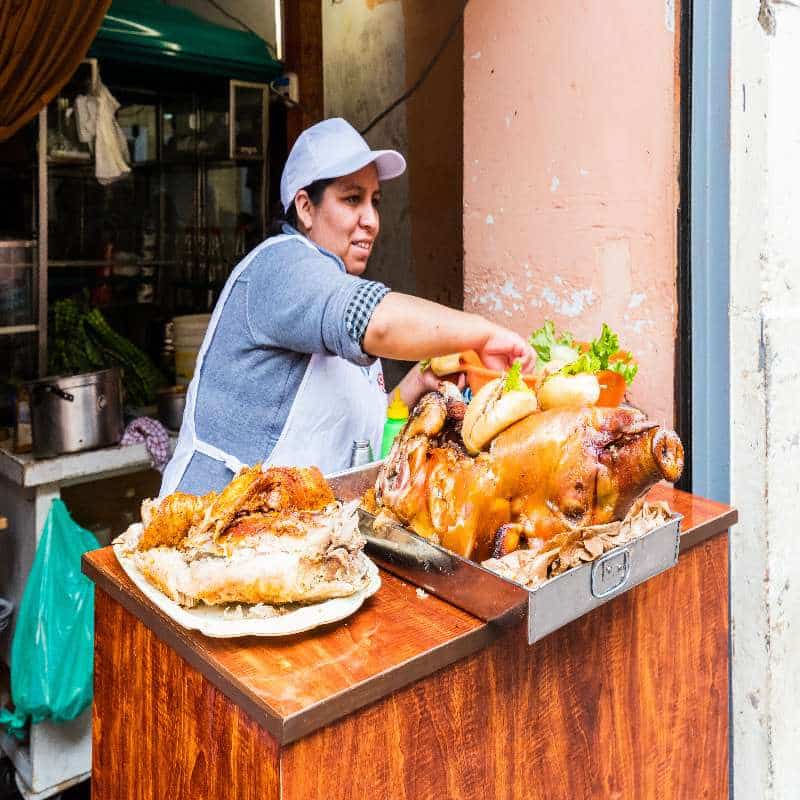
No guide to things to do in Bogota Colombia would feel complete without talking about eating and going out. The city’s food scene ranges from small family-run spots serving traditional dishes like ajiaco and empanadas to sleek restaurants experimenting with Colombian ingredients in creative ways. Zona G, Chapinero, and the northern neighborhoods are particularly rich in options, but you’ll also find simple local eateries scattered all over.
Coffee, unsurprisingly in Colombia, is a big part of daily life. You can visit third-wave cafés that highlight beans from different regions, learn about brewing methods, or simply enjoy a good cup in a cozy setting between sightseeing stops. At night, Zona T and Parque 93 fill up with bars and clubs, while parts of Chapinero lean more alternative and inclusive. If nightlife is a priority, a dedicated guide to what and where to eat in Bogota, including safety.
Practical tips: safety, money, and getting around
Bogota is not a place where you can completely switch off and wander anywhere at any time of night with your phone in your hand, but with a bit of awareness, most visits are trouble-free. Common-sense precautions go a long way: keep valuables out of sight, avoid walking in unfamiliar areas late at night, use registered taxis or ride-hailing apps, and ask your accommodation which streets to avoid. Many locals are friendly and helpful, but it’s okay to be politely cautious as you find your feet.
In terms of money, card payments are widely accepted in mid-range and higher-end places, but having some cash on hand is still useful for markets, small cafés, and tips. For getting around, ride-hailing apps are usually the easiest option for visitors, especially at night or when traveling with luggage. The TransMilenio bus system can be efficient but crowded and confusing at first, so many travelers mix it with taxis and walking rather than relying on it exclusively.
When to visit Bogota and what to pack
Bogota’s weather can surprise people expecting tropical heat: the city sits at over 2,600 meters above sea level, which means cooler temperatures and frequent changes throughout the day. You might wake up to blue skies, then get a chilly drizzle in the afternoon, and a cold breeze at night. There isn’t a simple “summer and winter” pattern here the way there is in some places, so it’s better to think in terms of dry and rainy periods, with showers possible at almost any time.
Packing layers is key. A light jacket, a sweater, a couple of t-shirts, and a rain layer will serve you better than a suitcase full of beach clothes. Comfortable shoes for walking on uneven streets and occasionally wet surfaces are essential. Because of the altitude, sunscreen and a hat are useful even when it doesn’t feel particularly hot, and a small daypack makes it easier to keep your hands free and your valuables tucked away.
Final thoughts: planning your Bogota trip
If you’ve made it this far, you have a solid sense of the main things to do in Bogota Colombia and how they fit together into real days, not just a checklist of names. The city can feel a bit overwhelming at first, but once you break it into manageable pieces—La Candelaria and the museums, Monserrate and parks, markets, neighborhoods in the north, plus a day trip or two—it starts to look much more inviting.
The key is to be intentional without over-planning. Give yourself enough structure that you know what you’re doing each morning, but leave some space to linger in a café, follow a local recommendation, or simply sit in a plaza watching the city go by. With the right balance of classic sights, food, culture, and a small dose of adventure, Bogota tends to reward curiosity far more than quick snap judgments.