
When people look up things to do in bozeman mt, they usually want a simple list. And sure, a list is helpful. But Bozeman is one of those places where the “how” matters almost as much as the “what.” The weather shifts. Trails get muddy or icy. You’ll think you have a relaxing afternoon planned… and then you’re halfway up a hill wondering why you didn’t bring water.
So this guide is built a little differently. It’s still packed with ideas, but it’s also meant to feel usable in real life: what’s worth your time, how long it actually takes, and what to do when your energy is lower than your ambition. (That happens to everyone, by the way.)
If you’re planning your first trip, or you’re passing through on a bigger Montana loop, this is the version that tries to keep you from making the classic mistakes—like underestimating how quickly conditions change, or overstuffing a day that would be better with one long lunch and a short hike.
Things to do in bozeman mt: the essentials
If Bozeman is new to you, start here. These are the experiences that consistently land well for visitors—whether you’re here for a weekend or a week.

1) Museum of the Rockies (yes, even if you “aren’t a museum person”)
This is the obvious pick, and it’s obvious for a reason. The Museum of the Rockies is known for its dinosaur fossils and broad regional exhibits, and it’s the kind of place that works in almost any season. If the wind is biting or the trails are a mess, this is a satisfying pivot that still feels like “Montana.”
Realistic time: 2–3 hours, longer if you like reading every placard.
Small tip: If you’re traveling with kids (or adults who get restless), set a loose “highlight path” before you walk in. Otherwise you’ll wander, get hungry, and suddenly it’s closing time.
If you want a deeper outdoors-first plan after the museum best hikes near Bozeman, MT is the natural next step.
2) Hike the College “M” Trail for the classic view
The “M” hike is Bozeman’s quick-hit viewpoint. It’s close, it’s steep enough to feel earned, and the payoff comes fast. It’s also the kind of trail that looks easy from photos and then surprises you a little in the first 10 minutes.
Realistic time: 60–90 minutes for most people, including the “catch your breath and take photos” pauses.
Small tip: If it’s shoulder season, expect some slick spots. And if you’re hiking near dusk, bring a headlamp. It’s a short trail, but short trails are where people get overconfident.
3) Walk downtown Bozeman (and let it be unstructured)
Downtown Bozeman is genuinely walkable, with a lot packed into a small area—shops, galleries, restaurants, and an overall “mountain town that’s grown up a bit” feel. Some cities demand a plan; downtown Bozeman doesn’t. A slow wander works.
Realistic time: 1–3 hours, depending on how often you stop.
Small tip: If you’re trying to decide where to eat, do one lap first. It sounds silly, but committing too early is how people end up mildly disappointed when they pass three better options after they sit down.
For travelers who like browsing local retail and food spots, Downtown Bozeman highlights shopping and dining in its directory—helpful if you prefer to pick places before you arrive.
4) Do a hot springs session when you need a reset
Bozeman has a way of making you feel active even when you’re “taking it easy.” Hot springs are the antidote. Bozeman Hot Springs is a popular choice with indoor and outdoor pools, and it’s an easy way to recover after hiking or skiing. Their hours can vary by day, so it’s worth checking before you drive out.
Realistic time: 90 minutes to 3 hours.
Small tip: Go earlier on weekdays if you can. It tends to feel calmer, and the whole experience becomes more “reset” than “social scene.”
If hot springs are a priority for your trip (or you’re visiting in a colder month) best hot springs near Bozeman, MT goes deeper.
5) Take a short, high-reward local hike: Drinking Horse Mountain
If you want something scenic without committing to a full-day hike, Drinking Horse Mountain is a strong option. It’s close to downtown, and the loop includes a notable covered bridge early on—great for families, or honestly anyone who likes a “milestone” within the first few minutes. The climb continues up to a viewpoint with broad valley and canyon views.
Realistic time: 60–120 minutes.
Small tip: This trail can be icy in winter and muddy in fall/spring, so footwear matters more than you think it will.
6) Catch a local ski day at Bridger Bowl (winter and early spring)
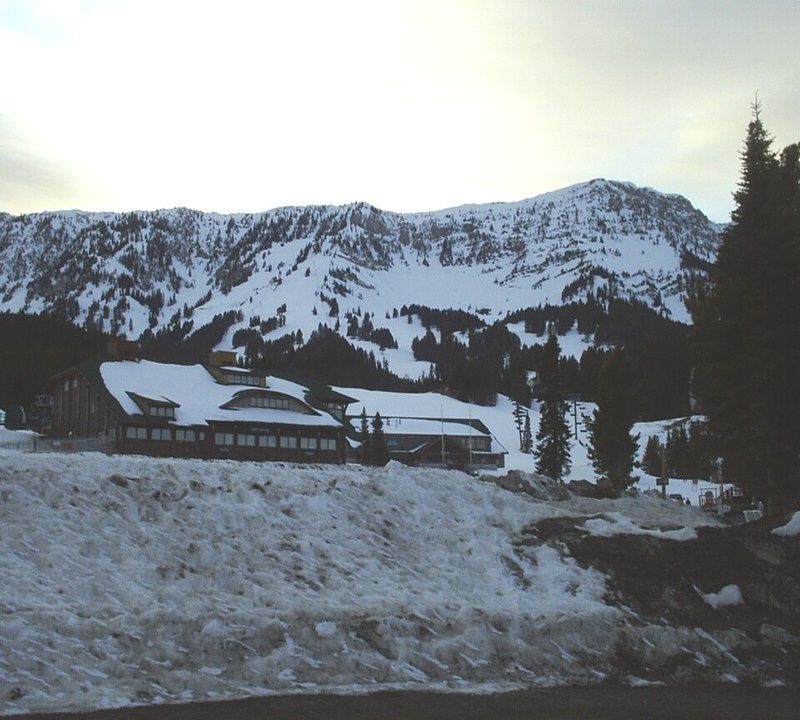
Bridger Bowl is a local favorite and sits north of Bozeman in the Bridger Range. It’s not a “luxury resort” vibe, and that’s part of the charm—more community energy, less polished spectacle. If you’re visiting in winter, this can easily become the highlight of your trip.
Realistic time: Half day to full day.
Small tip: If you’re not a confident skier, consider a lesson early. It can change the whole day from stressful to fun. And if you’re driving up, give yourself more time than you think you need—mountain roads reward patience.
One day in Bozeman: a plan that doesn’t feel rushed
This is for the “I only have one day, but I don’t want it to feel like a checklist” crowd.
Morning: Start with an easy-to-moderate hike close to town. The College “M” works if you want a challenge early, but Drinking Horse is a little gentler in the first stretch and still rewarding.
Late morning to early afternoon: Do the Museum of the Rockies. It’s a good anchor because it doesn’t depend on weather, and it gives you a sense of place—not just pretty scenery.
Afternoon: Walk downtown Bozeman, grab coffee, browse a few shops, and eat when you’re hungry rather than when a schedule says you should.
Evening: If your legs feel cooked, go soak. If you still have energy, do a mellow sunset walk and keep dinner simple. (Some days you want a great meal; other days you want food you don’t have to think about. Both are valid.)
Two to three days: choose your pace
Two days is where Bozeman starts to feel like more than a stopover. Three days is where you can relax a little and stop negotiating with the clock.
Option A: Outdoors-first (with a recovery rhythm)
Day 1: College “M” + downtown + a relaxed dinner.
Day 2: A longer hike near Bozeman (pick one based on current conditions and your fitness) + hot springs in the late afternoon.
Day 3: A day trip, but keep it simple: one main destination, one scenic stop, and then back to town.
For the hiking part, the best hikes near Bozeman, MT guide is designed exactly for this: picking a trail that matches your day, not your fantasy self.
Option B: Balanced (culture + views + one “bigger Montana” day)
Day 1: Museum of the Rockies + downtown walk + an early night (especially if you’re adjusting to travel).
Day 2: Drinking Horse Mountain + a slow lunch + hot springs.
Day 3: Day trip out of Bozeman—this is where you get that wide-open Montana feeling without changing hotels.
If you’re deciding between multiple nearby areas and don’t want to overdrive, the best day trips from Bozeman, MT helps you choose based on time and interests.
Seasonal guide: what actually works (and what’s overrated)
This is the part many travel guides smooth over, maybe because it complicates the story. But Bozeman is seasonal in a very real way. The same plan can feel perfect in July and kind of miserable in April.
Summer: early starts make everything better
Summer is when Bozeman feels effortless—longer light, dry trails, and a general sense that you can do “one more thing.” The tradeoff is crowds, especially for the most popular hikes and day trips. If you can start your morning outdoors earlier, the entire day tends to feel calmer.
Fall: the sweet spot (with a small catch)
Fall can be a near-perfect time: crisp mornings, fewer visitors, and a cozy downtown vibe that makes you want a second coffee. The catch is that conditions can swing quickly, and some trails get muddy or slick after weather changes. Keep your hiking plan flexible and have a museum or hot springs backup in mind.
Winter: Bozeman still works, just differently
Winter is not “off-season boredom” here, but it does change your activity mix. Skiing at Bridger Bowl becomes the headline for many people, while museums and hot springs become the reliable anchors that make a trip feel full even if you skip long hikes.
Spring: manage expectations (and you’ll have a great time)
Spring is where people sometimes feel slightly disappointed, and I think it’s mostly because they expected summer conditions. Trails can be muddy, icy, or in that awkward in-between state. On the other hand, spring is a great time for museums, downtown wandering, and short walks—plus you’ll often get more space.
More good ideas (when you want options)
This is the “maybe you’ve done the obvious stuff already” section. Or you’re traveling with a group where everyone wants a different kind of day. It happens.
Try a lower-commitment trail day
If you’re feeling uncertain about a longer hike—weather, energy, whatever—pick something closer to town. Drinking Horse is popular for a reason, and it lets you make a decision mid-hike: stop at the bridge and call it a win, or keep climbing if you feel good.
Make downtown your “no driving” afternoon
Sometimes the best travel moments are the unplanned ones: a bookstore you didn’t expect, a gallery that pulls you in, a long lunch that turns into a walk that turns into dessert. Downtown Bozeman supports that kind of day.
Build in a “recovery day” without guilt
This is a small mindset shift, but it matters. A soak day is not a wasted day. Hot springs can be the thing that makes you enjoy the rest of your trip more—especially if you’re stacking hiking, skiing, or long drives.
Practical tips that save your trip (quietly)
These aren’t glamorous, but they’re the details that separate “nice trip” from “why was that harder than it needed to be?”
- Pack layers. Bozeman weather can swing, and even a sunny day can feel sharp once the sun drops or the wind picks up.
- Assume conditions vary. Trails can be muddy in shoulder seasons and icy in winter; footwear traction matters more than most people expect.
- Keep a backup plan. Museum of the Rockies is a great fallback, and hot springs are a reliable reset when weather or fatigue changes the plan.
- Be wildlife-aware outside town. This isn’t meant to be scary—just normal caution. Give animals space, stay alert, and don’t treat wild places like a city park.
Quick FAQs (because people always ask)
Is Bozeman worth visiting if you’re not going to Yellowstone?
Yes. Yellowstone is a major draw, but Bozeman holds up on its own: great local hikes, a legitimately strong museum, a walkable downtown, and easy day trips that don’t require park-level logistics.
How many days do you need in Bozeman?
One day gives you a taste. Two days feels satisfying. Three days is where you can add a day trip and still have time to slow down. If you’re the kind of traveler who likes a “home base,” Bozeman is a good one.
What are the best things to do in Bozeman in winter?
Ski Bridger Bowl if you’re a skier (or take a lesson if you’re curious), then build your trip around warm, reliable anchors: the Museum of the Rockies and hot springs. It’s a nice rhythm—cold outdoors, warm indoors, repeat.
Conclusion: making your own Bozeman list
If you take one thing from this guide, let it be this: the best things to do in bozeman mt aren’t always the biggest or farthest. Often it’s one good hike close to town, a museum that surprises you, a downtown afternoon that’s pleasantly aimless, and a soak that resets your body for the next day.
And if you want to plan with more precision (without losing the relaxed feeling), the supporting guides can help: pick a trail from best hikes near Bozeman, MT, choose an easy outing from best day trips from Bozeman, MT, and keep a recovery option ready with best hot springs near Bozeman, MT.