
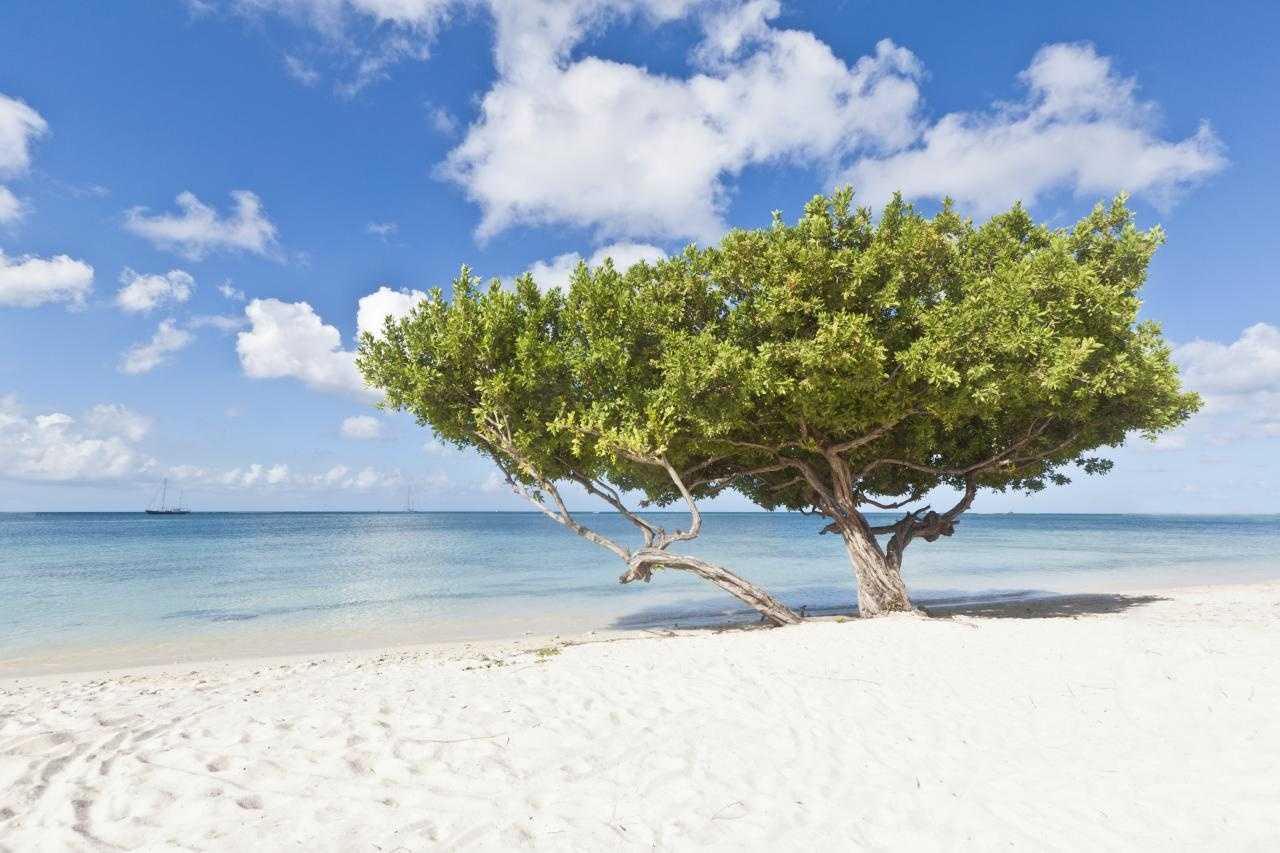
There’s something about Aruba that hits you almost instantly.
Maybe it’s the constant breeze — warm but never overwhelming. Maybe it’s the way the sea shifts from pale turquoise to deep sapphire in seconds. Or maybe it’s just the feeling that this island doesn’t try too hard… and still gets everything right.
If you’re wondering what to do in Aruba, the short answer is: a lot more than just lying on a beach (though you’ll definitely want to do that too). This is one of those places where you can snorkel in the morning, bounce through a desert landscape by afternoon, and end your day with a sunset that feels almost unreal.
Let’s get into the experiences that actually make Aruba memorable — the kind you’ll still be thinking about long after you’ve left.
Relax on Aruba’s Best Beaches (But Choose the Right One)
If you only do one thing in Aruba, it will probably involve a beach — and honestly, that’s not a bad plan.
But here’s the part many first-time visitors don’t realize: Aruba’s beaches aren’t all the same. Each one has its own personality, its own rhythm, and even a slightly different feel to the water and wind. Choosing the right beach can completely change your experience — from peaceful and slow to lively and social.
I found myself beach-hopping more than expected, simply because each stretch of sand offered something new. So instead of picking one and staying put, it’s worth exploring a few.
Let’s break down the ones that truly stand out.
Eagle Beach — Calm, Spacious, and Effortlessly Beautiful
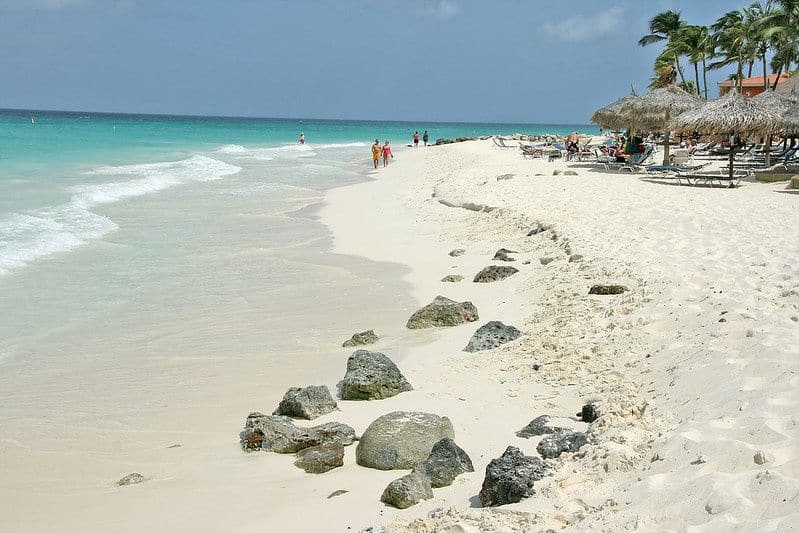
Eagle Beach feels like a deep breath.
The first thing you notice is the space. The beach is wide — really wide — with soft, powdery white sand that stretches out in both directions. Even when there are people around, it never feels crowded. You’re not squeezed between rows of loungers or competing for a quiet spot.
And then there are the divi-divi trees — Aruba’s unofficial symbol. They lean dramatically toward the southwest, shaped by the constant trade winds. They’re not just photogenic; they give the beach a unique identity you won’t find anywhere else.
The water here is calm, clear, and inviting without being overly warm. It’s perfect for a relaxed swim or just standing ankle-deep while the waves gently roll in.
What I personally loved most about Eagle Beach was the pace. It’s slow in the best way. You can come here early in the morning and watch the beach wake up, or arrive in the late afternoon when the light softens and everything feels a little more golden.
Who it’s perfect for:
- Couples looking for quiet time
- Travelers who want space and calm
- Anyone who prefers a less commercial beach vibe
Tip: Come just before sunset. The light hits the sand and water in a way that feels almost unreal, and the crowds stay manageable compared to Palm Beach.
Palm Beach — Lively, Social, and Full of Energy
If Eagle Beach is calm and spacious, Palm Beach is the complete opposite — and that’s exactly why people love it.
This is where Aruba turns up the energy.
Lined with high-rise resorts, beach bars, and restaurants, Palm Beach has a constant buzz. There’s always something happening. You’ll hear music drifting across the sand, see people laughing over cocktails, and watch parasailers floating high above the turquoise water.
It’s not the place you go for silence — it’s the place you go when you want to feel like you’re on vacation.
The water here is still beautiful, but the shoreline is more active. Jet skis zip by, paddleboarders glide along the coast, and boats occasionally pass in the distance. It creates a dynamic, almost cinematic beach atmosphere.
I’ll be honest — at first, it can feel a bit busy. But give it an hour, and it starts to grow on you. There’s an infectious energy here that makes it easy to settle in, grab a drink, and just enjoy the moment.
Who it’s perfect for:
- First-time visitors to Aruba
- Travelers who enjoy a social, resort-style atmosphere
- Anyone looking to mix relaxation with activity
Tip: Visit in the morning if you want a quieter experience, or late afternoon if you want to enjoy the full vibe without the midday heat.
Baby Beach — Shallow, Gentle, and Surprisingly Relaxing
Baby Beach doesn’t feel like a typical ocean beach — it feels more like a natural swimming pool.
Located on the southern tip of the island, this beach forms a wide, curved lagoon with incredibly shallow water that extends far out. You can walk quite a distance and still only be waist-deep, which creates a very different experience compared to the open beaches on the west coast.
The water here is calm — almost completely wave-free — and noticeably warmer. It’s the kind of place where you can float for ages without even thinking about it.
At first, I wasn’t sure if it would feel too quiet. But that’s actually what makes it special. There’s a peacefulness here that’s hard to find elsewhere on the island.
It’s also a great place for light snorkeling. Near the edges of the lagoon, you’ll start to see small fish, and the visibility is surprisingly good.
Who it’s perfect for:
- Anyone who just wants to relax in the water
- Families (but not only families)
- Travelers looking for a slower, quieter beach day
Tip: Bring snacks or plan ahead — facilities are more limited compared to Palm Beach.
Arashi Beach — Underrated, Easygoing, and Great for Snorkeling
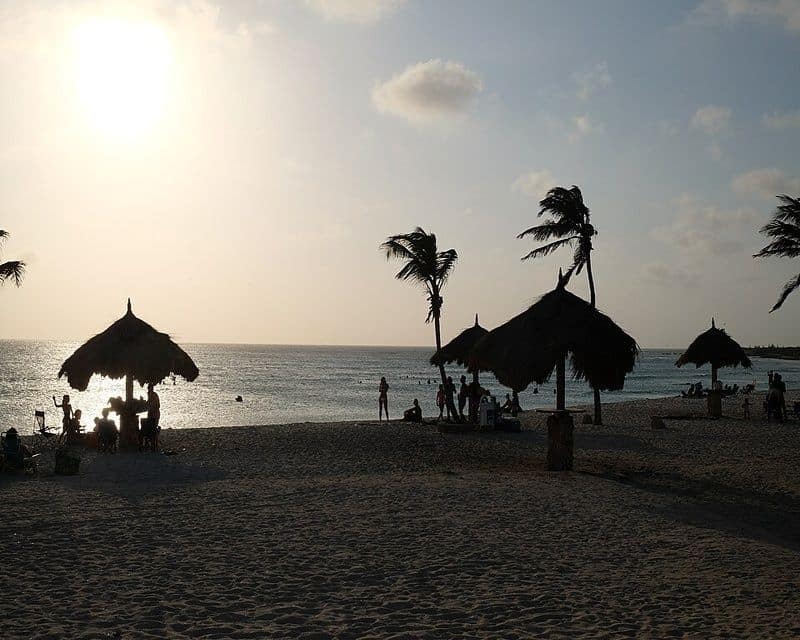
Arashi Beach is one of those places you might not prioritize at first — but end up really appreciating.
Located near the northern tip of Aruba, close to the lighthouse, it feels a bit more local and laid-back compared to the bigger beaches. It’s smaller, yes, but that’s part of its charm.
The water here is incredibly clear, making it one of the best spots for casual snorkeling. You don’t need a boat or a guide — just walk in, put on a mask, and you’ll start spotting fish almost immediately.
There’s also a nice balance here. It’s not as quiet as Eagle Beach, but nowhere near as busy as Palm Beach. It sits comfortably in between — relaxed, but not empty.
What stood out to me was how easy everything felt. No pressure, no rush, no big crowds. Just a simple, beautiful beach where you can spend a few hours without overthinking it.
Who it’s perfect for:
- Snorkeling beginners
- Travelers looking for a chill, no-fuss beach
- Anyone exploring the north side of the island
Tip: Combine this with a visit to the California Lighthouse — they’re very close to each other.
Explore Arikok National Park (Aruba’s Wild Side)
It’s easy to think Aruba is all soft sand and calm water — until you step into Arikok National Park.
Suddenly, everything changes.
The landscape turns rugged. The greenery disappears. In its place: cactus-covered hills, dusty trails, dramatic cliffs, and a coastline that feels raw and untamed. It’s not the Aruba most people imagine — and that’s exactly why it’s worth exploring.
Driving through Arikok feels like a small adventure on its own. The roads are uneven, sometimes rough, and definitely not made for a relaxed cruise. If you’re confident, you can rent a 4×4 and explore at your own pace. Otherwise, a guided jeep tour makes things easier (and a lot more fun, honestly).
There’s a sense of discovery here that you don’t get on the beach.
Some standout spots inside the park:
- Fontein Cave — step inside and you’ll find ancient Arawak drawings still visible on the cave walls. It’s quiet, slightly eerie, and surprisingly moving.
- Quadirikiri Cave — known for its dramatic light beams that cut through the darkness. It’s one of those places where you instinctively slow down and just look around.
- Hidden beaches and rocky coves — not always easy to reach, but incredibly rewarding.
What I loved most about Arikok is how it adds contrast to your trip. After a couple of beach days, this place feels completely different — more adventurous, more grounded, and a little unexpected.
Tip: Go early in the day to avoid heat, and wear proper shoes. This isn’t flip-flop terrain.
Swim in the Natural Pool (Conchi)
Getting to Conchi is half the experience.
The journey is bumpy, dusty, and at times a little intense — especially if you’re driving yourself. But when you finally arrive, it all makes sense.
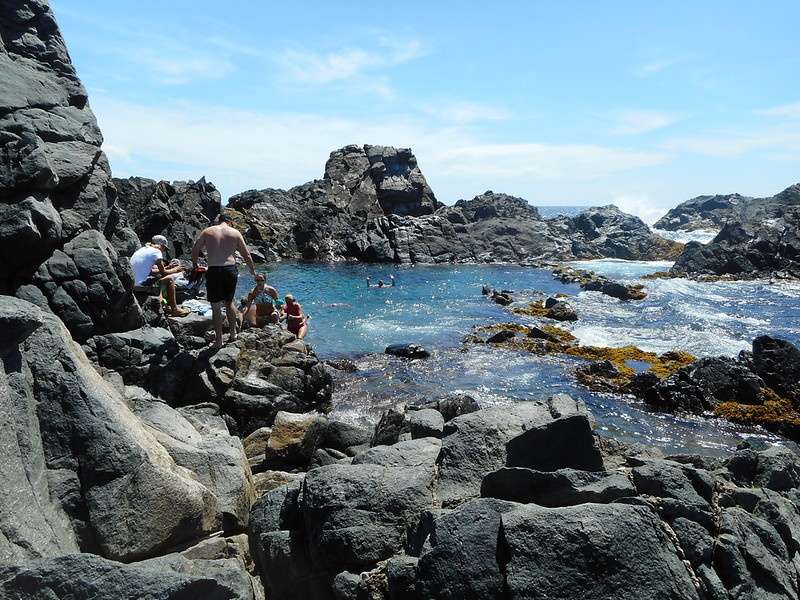
The Natural Pool, also known as Conchi, is carved into volcanic rock along Aruba’s rugged coastline. From a distance, it looks wild — waves crashing hard against the rocks, water spraying into the air. But step inside the pool, and everything shifts.
It’s calm.
You’re floating in clear water, surrounded by stone, while the ocean puts on a dramatic show just outside. That contrast — chaos outside, calm inside — is what makes this place unforgettable.
It doesn’t feel like a typical swim. It feels like you’ve found something hidden.
I remember sitting on the edge for a moment before getting in, just watching the waves hit the rocks. There’s a rhythm to it. Then you step in, and suddenly you’re part of it.
What to know before you go:
- Access requires a 4×4 vehicle, hiking, or a guided tour
- The rocks can be slippery — water shoes help
- It’s not ideal during rough sea conditions
Tip: Go with a bit of patience. This isn’t a quick stop — it’s an experience you’ll want to take your time with.
Go Snorkeling or Scuba Diving in Crystal Waters
Aruba’s water is the kind that makes you want to get in immediately.
It’s clear — really clear — with visibility that often surprises even experienced snorkelers. And the best part? You don’t have to go far to see something interesting.
There are a few spots that stand out for different reasons:
Mangel Halto
This one feels like a hidden escape. Surrounded by mangroves, it’s quieter and less crowded. Once you get into the water, you’ll notice how alive it feels — fish moving through the roots, subtle currents, and a sense of calm that’s hard to explain.
Boca Catalina
Easy, accessible, and consistently beautiful. This is a great place if you just want to walk in and start snorkeling without much planning. The water is gentle, and the marine life is easy to spot.
Antilla Shipwreck
If you’re into diving — or even advanced snorkeling — this is one of the most iconic sites in Aruba. The wreck is massive, partially covered in coral, and full of marine life. It’s not just a dive; it’s an experience.
What stood out to me was how effortless it all felt. No complicated setup, no long boat rides required (unless you want them). Just step into the water — and you’re in a completely different world.
Tip: Morning usually offers the best visibility and calmest conditions.
Try Water Sports Along Palm Beach
Palm Beach isn’t just for relaxing — it’s where Aruba gets playful.
This is the place to try things you might normally hesitate to do. The setup is easy, the operators are everywhere, and the vibe is very much “why not?”
You’ll see options like:
- Jet skiing
- Parasailing
- Banana boat rides
- Paddleboarding
- Kayaking
Parasailing, in particular, is one of those experiences that stays with you. You rise slowly above the beach, and suddenly the entire coastline opens up beneath you — shades of blue blending into each other, boats leaving soft trails in the water, and the island stretching out in the distance.
It’s surprisingly peaceful once you’re up there.
Jet skiing, on the other hand, is pure adrenaline. Fast, loud, and fun in a completely different way.
Even if you don’t try everything, just being around this energy adds something to your day. It’s lively, a little chaotic, but never overwhelming.
Tip: Prices can vary — it’s worth asking around or booking in advance for better deals.
Watch the Sunset (It’s Actually Worth Planning Around)
It’s easy to underestimate sunsets — until you see one in Aruba.
Then you start planning your day around it.
The sky doesn’t just change color — it transforms. Soft blues turn into warm gold, then deep orange, then streaks of pink and purple that reflect perfectly on the water. It’s slow, gradual, and quietly dramatic.
And the atmosphere shifts with it.
People pause. Conversations soften. There’s a shared moment where everyone seems to be watching the same thing, even if they’re strangers.
Best ways to experience it:
- Sitting on Eagle Beach with your feet in the sand
- Watching from the California Lighthouse for a wider view
- Taking a catamaran cruise for that open-water perspective
I didn’t expect sunsets to become a highlight — but they did. Not because they’re flashy, but because they feel… complete.
Tip: Arrive at least 20–30 minutes early. The lead-up is just as beautiful as the moment itself.
Visit the California Lighthouse
At the northern tip of Aruba, the California Lighthouse stands quietly above everything else.
It’s not a long visit — but it’s a meaningful one.
The drive up is simple, and once you arrive, you’re met with wide, open views that stretch across the island. On one side, the calm beaches. On the other, the rugged coastline. It’s one of the few places where you can really see Aruba’s contrast all at once.
And yes — it’s windy. Constantly. But that breeze is part of the experience. It keeps the heat away and adds a sense of openness to the whole place.
What I liked most was how peaceful it felt. People come and go, take photos, look around — but no one rushes. It’s a place that naturally slows you down.
It’s especially worth visiting around sunset, when the light softens and the views become even more striking.
Tip: Pair this with a visit to Arashi Beach nearby — it makes for a perfect half-day plan.
Discover Aruba’s Food Scene (Don’t Skip This)
Aruba might win you over with its beaches — but its food is what quietly keeps you impressed.
Before visiting, I expected decent resort dining and maybe a few local dishes here and there. What I didn’t expect was how diverse and genuinely enjoyable the food scene would be. There’s a mix of Caribbean, Dutch, Latin, and international influences, and somehow it all blends together in a way that feels natural.
And the best part? You don’t need to chase fine dining to eat well here.
One of the must-try dishes is keshi yena — a rich, savory mix of meat, spices, and melted cheese, baked together into something that’s both comforting and surprisingly flavorful. It’s one of those dishes that feels heavy in theory, but somehow works perfectly after a day in the sun.
Then there’s seafood — and this is where Aruba really shines. Fresh grilled fish, shrimp, and lobster show up on menus all over the island, often served just steps from the ocean. There’s something about eating seafood while hearing the waves that makes the whole experience better.
For something quick, try a pastechi — a crispy, stuffed pastry usually filled with cheese, meat, or seafood. It’s simple, satisfying, and perfect when you need something between beach stops.
What stood out to me most was the setting. Some of the best meals didn’t happen in fancy restaurants, but in relaxed, open-air spots where your feet are in the sand and the atmosphere is easygoing.
Tip: Don’t just stick to resort dining. Venture out — even a short drive can lead you to something more authentic and memorable.
Explore Oranjestad (Colorful Capital)
Oranjestad isn’t the kind of capital city that overwhelms you — and that’s exactly its charm.
It’s bright, compact, and easy to explore without a plan. The pastel-colored buildings immediately stand out, giving the city a cheerful, almost storybook-like feel. There’s a clear Dutch-Caribbean influence here, but it doesn’t feel overly polished or staged.
You can walk along the waterfront, pop into a few shops, grab a coffee, and just wander. It’s relaxed in a way that fits perfectly with the rest of Aruba.
There’s also a subtle rhythm to the place. Cruise ships come and go, streets get a little busier for a few hours, and then everything settles back into a slower pace.
What I liked most was how effortless it felt. No pressure to “see everything,” no packed itinerary — just a simple, enjoyable change of scenery from the beaches.
What to do here:
- Walk along the marina and waterfront
- Browse local shops and boutiques
- Stop at a café and take a break from the sun
Tip: Visit in the morning or late afternoon for a more relaxed experience, especially if cruise ships are in port.
Take a Jeep or ATV Tour Around the Island
If you’re looking to add a bit of adventure to your trip, this is where things get fun.
A jeep or ATV tour takes you beyond the polished beaches and into Aruba’s rougher, more untamed side. You’ll drive through dusty trails, navigate rocky paths, and stop at places that feel completely different from the resort areas.
It’s not a smooth ride — and that’s the point.
There’s something exciting about getting a little dusty, feeling the terrain under you, and exploring parts of the island that aren’t as easily accessible. It adds a layer of energy and unpredictability that balances out the slower beach days.
Most tours include stops at:
- Hidden coastal viewpoints
- Natural formations
- Parts of Arikok National Park
- Rugged sections of the north coast
You’ll probably come back a bit dusty, maybe a little tired — but with some of the most memorable moments of your trip.
Who it’s perfect for:
- Adventure seekers
- Groups of friends
- Anyone wanting a break from relaxing
Tip: Wear clothes you don’t mind getting dirty, and bring sunglasses — the dust is real.
Visit the Natural Bridge & North Coast
The north coast of Aruba feels like a completely different island.
Gone are the calm waters and soft sand. Here, the ocean is powerful, constantly crashing against rocky cliffs with a force you can hear before you even see it. The landscape is raw, dramatic, and a little wild — in the best way.
The Natural Bridge used to be one of Aruba’s most famous landmarks before it collapsed in 2005. While the original structure is gone, the area still holds that same sense of scale and natural power. Nearby, you’ll find smaller formations that give you an idea of what it once looked like.
Standing here, watching the waves hit the rocks, you get a different perspective of Aruba. It’s not just calm and relaxing — it has a rugged side that feels equally compelling.
This is also one of the best areas for photography. The contrast between the deep blue ocean and the rough coastline creates scenes that feel almost cinematic.
Tip: Be careful near the edges — the waves can be unpredictable, and the rocks are uneven.
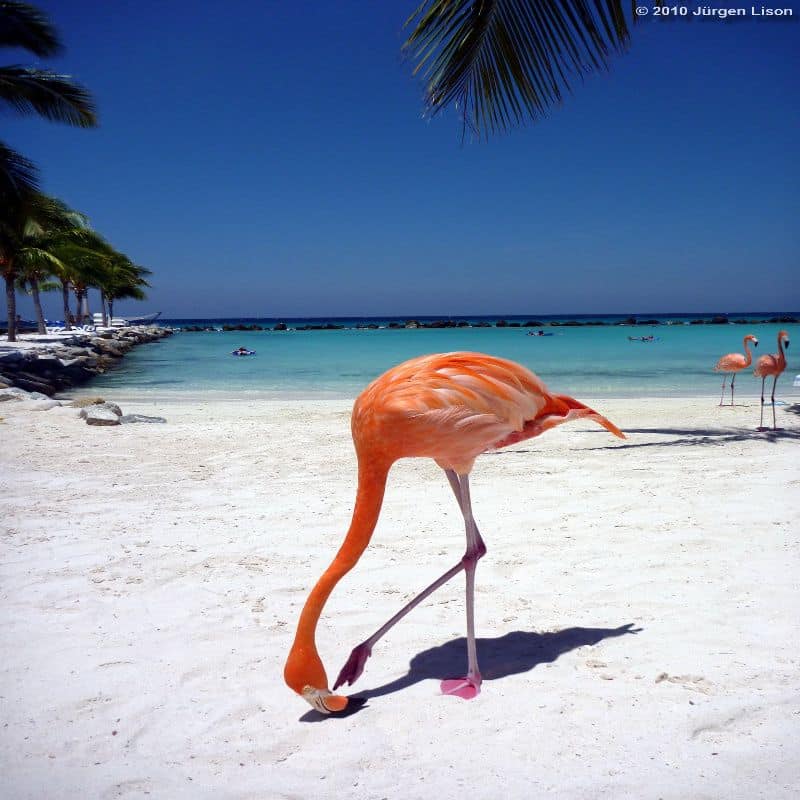
Flamingo Beach (Worth It or Overhyped?)
Flamingo Beach is probably the most photographed spot in Aruba — and yes, it looks exactly like the pictures.
Bright blue water. Soft sand. And flamingos casually walking around like they own the place.
But here’s the honest take: it’s not quite the hidden paradise it might seem on Instagram.
Flamingo Beach is located on Renaissance Island, which means access is limited — usually through staying at the Renaissance hotel or buying a day pass (which can sell out quickly). Because of that, it can feel a bit controlled and, at times, crowded.
That said, there’s still something undeniably fun about it.
Seeing flamingos up close, watching them wander along the shoreline, and getting that iconic photo — it’s a unique experience you won’t find in many places.
The key is managing expectations.
Go early, before the crowds build up. Take your time, enjoy the setting, and don’t rush in just for photos. When you slow down, it feels a lot more enjoyable.
So… is it worth it?
Yes — but more as a fun experience than a quiet escape.
Tip: Book in advance and aim for early morning access for the best experience.
Go Sailing or Take a Catamaran Cruise
If there’s one experience that perfectly captures the feeling of Aruba, it’s being out on the water.
A catamaran cruise isn’t just an activity — it’s a shift in pace. The moment the boat pulls away from shore, everything starts to feel lighter. The breeze picks up, the coastline slowly drifts into the distance, and you’re surrounded by nothing but open water and sky.
And somehow, that simplicity is exactly what makes it special.
Snorkeling from a catamaran feels different from shore. The water is deeper, clearer, and there’s a sense of stepping into something bigger. Even if you’ve already snorkeled elsewhere on the island, it’s worth doing again from the boat.
But honestly, even if you didn’t get in the water at all, it would still be worth it.
There’s something about lying back on the deck, feeling the boat move gently beneath you, and watching the horizon stretch endlessly ahead. It’s one of those moments where you’re not doing much — but you’re fully present.
Tip: If you can, book a sunset cruise. It adds a whole new layer to the experience.
Experience Aruba’s Nightlife (Laid-back but Fun)
Aruba’s nightlife doesn’t try to compete with party-heavy destinations — and that’s part of its appeal.
Evenings here feel social, relaxed, and easy to enjoy without needing a big plan.
Most of the action happens around Palm Beach, where you’ll find beach bars, lounges, and a few casinos all within walking distance. Music spills out onto the sand, lights reflect off the water, and there’s a gentle buzz that builds as the night goes on.
It’s not about loud clubs or packed dance floors (though you can find those if you look). Instead, it’s about:
- Sitting by the beach with a drink in hand
- Listening to live music under the open sky
- Moving from one spot to another without rushing
I found that nights in Aruba tend to unfold naturally. You might start with dinner, wander into a bar for a drink, stay longer than planned, and end up somewhere else entirely — all without it feeling chaotic.
Who it’s perfect for:
- Couples
- Small groups of friends
- Anyone who prefers relaxed evenings over intense partying
Tip: Start your evening around sunset and let the night build gradually — that’s when Aruba feels its best.
Try a Local Cultural Experience
Between the beaches and adventures, it’s easy to forget that Aruba has its own culture — and taking a little time to explore it adds depth to your trip.
One of the easiest places to start is the aloe factory. Aruba has a long history with aloe production, and visiting gives you a quick, interesting look into something that’s still part of the island’s identity today. It’s not a long stop, but it’s surprisingly engaging.
Beyond that, you’ll find:
- Local art and murals scattered around towns
- Small markets selling handmade crafts and souvenirs
- Occasional festivals with music, dance, and food (if your timing aligns)
These experiences aren’t always the main highlight of a trip — but they’re the moments that make it feel more complete.
What I appreciated most was how accessible everything felt. You don’t need a full day or a detailed plan. Just a bit of curiosity.
Tip: Keep your schedule flexible. Sometimes the best cultural moments happen when you’re not actively looking for them.
Day Trip Ideas & Hidden Gems
Once you’ve seen the main highlights, Aruba starts to feel even more interesting.
This is when you can slow down, explore a bit deeper, and find places that feel less obvious — but just as rewarding.
Savaneta
A quieter coastal town that feels more local than touristy. It’s a great place to try authentic seafood in a relaxed setting, often right by the water.
Mangel Halto (again, but worth emphasizing)
It might not be the most famous beach, but it’s one of the most peaceful. The mangroves, the calm water, and the lack of crowds make it feel like a hidden escape.
Drive the southern coast
Less developed and less visited, this part of the island offers a slower, more understated version of Aruba. It’s not about big attractions — it’s about the feeling of space and quiet.
These kinds of spots don’t always show up at the top of travel lists, but they’re often the ones you remember most.
Tip: Renting a car makes a huge difference here. It gives you the freedom to explore without limits.
Practical Tips for Visiting Aruba
By this point, you probably have a good sense of what to do in Aruba — but a few practical details can make your trip smoother and more enjoyable.
Best time to visit
Aruba is outside the hurricane belt, which means it’s a year-round destination. You’ll get warm weather and sunshine almost any time you visit.
Expect wind — lots of it
The constant trade winds are part of Aruba’s identity. They keep the temperature comfortable, but they also shape the landscape (those divi-divi trees aren’t leaning for no reason).
Getting around
While taxis and tours are available, renting a car gives you the most flexibility — especially if you want to explore places like Arikok National Park or the north coast.
Costs
Aruba isn’t the cheapest destination. Food, activities, and accommodations can add up, so it’s worth planning ahead. That said, the quality of experience often matches the price.
Currency & language
US dollars are widely accepted, and English is spoken almost everywhere, which makes things easy for travelers.
Tip: Balance your days. Mix relaxing beach time with a few active experiences — that’s when Aruba really comes together.
Suggested 3–5 Day Aruba Itinerary
- Day 1: Eagle Beach + sunset
- Day 2: Arikok National Park + Natural Pool
- Day 3: Snorkeling + Palm Beach
- Day 4: Lighthouse + north coast + sunset cruise
- Day 5: Relax + Oranjestad + food exploration
Final Thoughts: Why Aruba Stays With You
Aruba isn’t just one thing — and that’s exactly why it works.
It’s relaxing without being boring. Adventurous without being overwhelming. Beautiful in ways that feel both obvious and unexpected.
And once you’ve experienced it — the wind, the water, the sunsets — it tends to stay with you a little longer than you expect.
If you’re still wondering what to do in Aruba, the real answer is simple:
Go — and let the island surprise you.