

Understanding Cyprus’s Coastal Regions
Cyprus’s beaches vary dramatically by region: the east coast features sandy party beaches, the south offers mixed sand-and-pebble shores, and the west coast delivers secluded natural landscapes with fewer crowds.
The east coast, encompassing Ayia Napa and Protaras, is where you’ll discover the island’s finest golden sandy beaches. These areas are characterised by soft sand, shallow turquoise waters that stay pleasantly warm through summer, and comprehensive facilities including sunbeds, parasols, and water sports centres. The beaches here tend to be sociable places—the sort where conversations with neighbouring sunbathers happen naturally, and beach bars maintain a buzzing atmosphere from mid-morning until late evening.
Perhaps the most striking thing about the east coast is how well-developed it is without feeling overly commercialised. Yes, there are hotels and restaurants aplenty, but the beaches themselves remain accessible and relatively spacious, even during peak season.
Moving to the south coast around Limassol and Pissouri, the landscape shifts somewhat. Here you encounter an intriguing mix of sand and pebble beaches, with some areas remaining remarkably undeveloped despite their proximity to major towns. The south coast often feels like middle ground—accessible enough for families with young children but with quieter pockets for those seeking something more low-key. Pissouri Bay exemplifies this balance perfectly, offering watersports and tavernas whilst maintaining a relatively unspoilt atmosphere.
The west coast, particularly around Paphos and the Akamas Peninsula, reveals Cyprus’s wilder side. Shingle beaches become more common here, and the further west and north you venture, the fewer people you’ll encounter. This region is brilliant for nature enthusiasts, with protected marine areas, turtle nesting sites, and coastal walks that showcase Cyprus at its most pristine. The trade-off, I suppose, is accessibility—some of the best beaches require four-wheel drive vehicles or decent hiking fitness to reach.
Best Beaches by Category
Party Beaches: Where the Energy Never Stops
Nissi Beach in Ayia Napa leads Cyprus’s party beach scene, combining stunning white sand and turquoise waters with vibrant beach bars, live music, and endless water sports activities.
When it comes to white sand and genuinely turquoise seas—the kind you see in brochures and think they’ve enhanced the colours—Nissi Beach is your destination. Located in the heart of Ayia Napa, this beach has earned its reputation as Cyprus’s premier party spot, though calling it just a “party beach” doesn’t quite capture the full picture.
The beach itself is genuinely beautiful. The sand is powdery soft, the water so clear you can see your feet even when you’re waist-deep, and there’s a small island just offshore that you can wade to when the tide’s right. During summer months, the atmosphere transforms completely. Beach bars pump out music from midday onwards, you’ll find everything from waterskiing to parasailing on offer, and there’s even a bungee jump at one end for the particularly adventurous.
What surprised me about Nissi Beach was how it manages different crowds. Yes, it gets busy—exceptionally so in July and August—but the beach is large enough that you can find your spot. Families tend to cluster towards one end, the party crowd gravitates towards the central beach bars, and couples often head to the quieter edges. It’s organised chaos, really, but somehow it works.
Makronissos Beach, also in Ayia Napa, offers a slightly more subdued party atmosphere whilst maintaining excellent facilities. The beach comprises three consecutive sandy coves, each with its own character. It’s less intense than Nissi but still lively, making it ideal if you want the social atmosphere without quite the same level of noise and crowds.
Family-Friendly Beaches: Safe Sands for Children
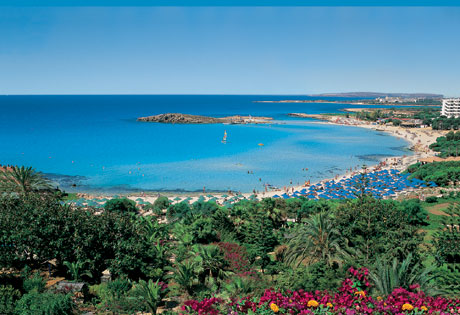
Fig Tree Bay in Protaras ranks as Cyprus’s top family beach, featuring shallow calm waters, soft sand, full facilities, and a small island that children can safely swim to at low tide.
If you’re travelling with children, Fig Tree Bay in Protaras should probably be top of your list. The beach has repeatedly won awards—it’s been recognised as one of Europe’s best beaches—and after spending time there, it’s not difficult to understand why. The water stays shallow for quite a distance from shore, which means even young children can paddle and play safely whilst parents relax on the sand.
The beach takes its name from a solitary fig tree that once stood here, though these days it’s the small island just offshore that captures children’s imagination. When conditions are calm—which they usually are—it’s perfectly feasible for even modest swimmers to reach the island. The sense of adventure this provides, particularly for younger visitors, is brilliant to watch.
Facilities at Fig Tree Bay are comprehensive without being overwhelming. You’ll find sunbed and parasol rentals at reasonable prices, clean toilet facilities, changing rooms, and several restaurants and cafés within easy walking distance. The beach also has lifeguards during summer months, which provides additional peace of mind for families with young children.
Coral Bay near Paphos offers another excellent family option, particularly if you’re staying in the west of the island. The beach forms a wide semicircular bay with golden sand and gentle waves that rarely get rough enough to worry about. The water here tends to be slightly warmer than the east coast, and the bay’s sheltered position means it’s often calm even when other beaches experience choppier conditions.
Secluded Beaches: Escape the Crowds
Lara Bay on the Akamas Peninsula provides Cyprus’s most secluded beach experience, accessible only by 4×4 vehicle and renowned for green turtle nesting sites and pristine natural surroundings.
For the complete opposite end of the spectrum from Nissi Beach, head to Lara Bay. Reaching this beach requires either a four-wheel drive vehicle or a willingness to walk a fairly rough track for about 30 minutes, which immediately filters out most casual visitors. The effort, though, is absolutely worth it.
Lara Bay remains one of Cyprus’s most important turtle nesting sites. Green turtles and loggerhead turtles return here every year during breeding season—roughly May through October—to lay their eggs on the same beaches where they themselves hatched decades earlier. The conservation efforts here are quite impressive, with marked nesting areas and information boards explaining the turtles’ lifecycle. If you’re lucky enough to witness hatchlings making their way to the sea, it’s genuinely moving.
The beach itself is wonderfully unspoilt. There’s a small open-air restaurant where you can buy drinks and simple snacks, but that’s about it for facilities. No sunbed rentals, no water sports operators, no beach bars playing music. Just sand, sea, and nature. Taking a picnic makes perfect sense here, and the surrounding area offers excellent walking opportunities if you want to explore beyond the beach.
Governor’s Beach, located between Limassol and Larnaca, provides easier access whilst maintaining a relatively quiet atmosphere. The beach is named after a British colonial governor who apparently used to swim here, and it’s characterised by dramatic white cliffs that contrast beautifully with the dark sand. It’s not completely deserted—there are a few tavernas—but it never reaches the crowds of more popular beaches.
Best Beaches for Snorkelling and Diving
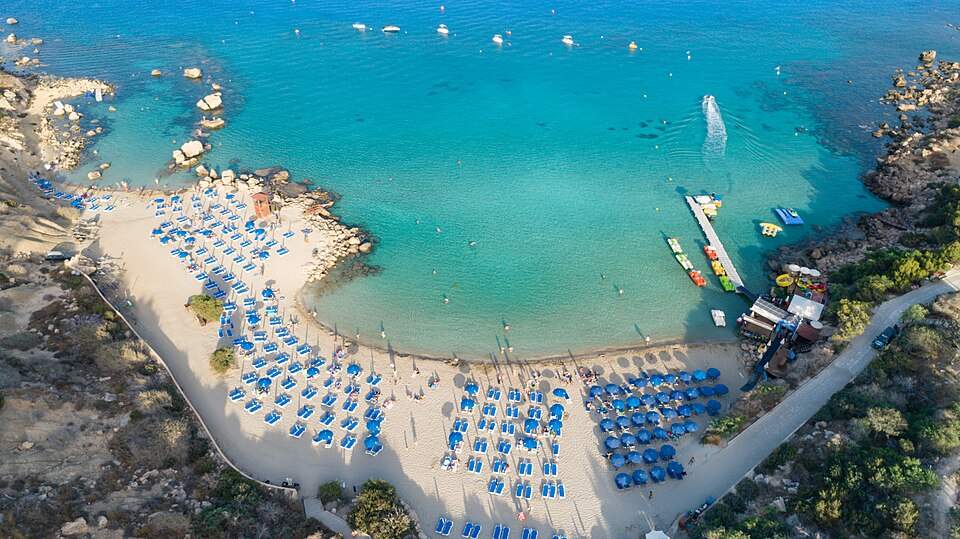
Konnos Bay between Protaras and Ayia Napa offers Cyprus’s best shore snorkelling, with clear waters, rocky outcrops teeming with marine life, and underwater caves to explore.
Konnos Bay sits in a somewhat unique position, tucked into the coastline between Protaras and Ayia Napa. The bay is surrounded by pine-covered cliffs that plunge down to meet turquoise water, creating a rather dramatic setting. What makes it particularly special for snorkelling enthusiasts, I think, is the combination of sandy bottom in the bay’s centre and rocky areas around the edges.
The rocky sections harbour surprisingly diverse marine life. You’ll spot various fish species darting between rocks, sea urchins clinging to surfaces, and if you’re observant, octopuses tucked into crevices. The water clarity here is exceptional—on calm days, visibility extends for metres, making it ideal for underwater exploration. There are also several small caves around the bay’s edges that experienced swimmers can investigate, though you’ll want to be cautious of currents near the cave entrances.
Blue Lagoon in the Akamas area offers perhaps even better snorkelling, though reaching it requires a boat trip or a significant hike. The water here lives up to its name—it’s an almost unreal shade of blue, and the marine life is abundant. If you’re serious about snorkelling in Cyprus, the journey to Blue Lagoon is worthwhile.
Scenic Beaches: Instagram-Worthy Coastlines
Aphrodite’s Rock (Petra tou Romiou) near Pissouri Bay ranks as Cyprus’s most photographed beach, steeped in mythology as the legendary birthplace of Aphrodite and offering dramatic rock formations against Mediterranean waters.
Situated about three miles west of Pissouri Bay, Aphrodite’s Rock commands attention. The massive rock formation rises from the sea just offshore, and according to Greek mythology, this is where Aphrodite, the goddess of love and beauty, emerged from sea foam. Local legend holds that swimming around the rock grants eternal beauty, though I should mention the currents here can be quite strong, so it’s not something to attempt lightly.
The beach itself is pebble rather than sand, which some visitors find disappointing. But honestly, people don’t come here primarily for sunbathing—they come for the setting. The rock formation against the blue Mediterranean, particularly at sunset, creates genuinely stunning photographs. There’s something almost ethereal about the place, especially if you visit during quieter times of day when crowds thin out.
Pissouri Bay itself deserves mention as a scenic destination. The beach stretches for about two kilometres along the south coast, offering a mix of pebbles and sand. What I found appealing about Pissouri is how it manages to offer variety—you get watersports facilities without the beach feeling overdeveloped. Several small tavernas dot the shoreline, perfect for a cool drink or traditional Cypriot meze after you’ve worn yourself out in the waves.
Beach Regions in Detail
Ayia Napa Beaches: Party Central
Ayia Napa hosts Cyprus’s most famous beach cluster, including Nissi Beach, Makronissos, and Landa Beach, all offering golden sand, clear waters, and extensive facilities for water sports and entertainment.
The Ayia Napa area has built its reputation on beaches, and for good reason. This relatively compact coastal stretch packs in some of Cyprus’s finest sand beaches, each with its own character but sharing common traits: excellent water quality, comprehensive facilities, and that distinctive party atmosphere the area’s known for.
Beyond Nissi Beach, you’ll find Landa Beach (also called Golden Beach by some), which despite being right in Ayia Napa’s centre, maintains a slightly calmer vibe. The sand is equally golden, the water just as clear, but the beach’s smaller size creates a more intimate feel. It’s popular with couples and older visitors who want Ayia Napa’s beach quality without quite the same level of noise.
Sandy Bay attracts a different crowd entirely—it’s known as Ayia Napa’s unofficial naturist beach. Located slightly outside the main resort area, it’s quieter and more secluded, though still easily accessible by car. The bay itself is quite picturesque, with rocky outcrops framing either end and relatively calm water most of the time.
What strikes me about Ayia Napa’s beaches is how well-maintained they are. Despite heavy usage during summer, you’ll find clean sand, functioning facilities, and Blue Flag standards consistently upheld. The local authorities clearly take pride in their coastline, and it shows.
Protaras Beaches: Family Paradise
Protaras offers Cyprus’s most family-oriented beach experience, with Fig Tree Bay leading a collection of calm, shallow beaches including Green Bay, Vrisi Beach, and Pernera Beach.
If Ayia Napa represents party Cyprus, Protaras embodies family-friendly Cyprus. The two areas sit adjacent to each other—you can walk from one to the other in perhaps 45 minutes—but the atmosphere differs markedly. Protaras beaches tend towards calmer waters, better-developed promenades, and facilities specifically designed with families in mind.
Green Bay provides a quieter alternative to Fig Tree Bay whilst maintaining similar characteristics. The water stays shallow and calm, the sand is soft and clean, and there’s enough space that even during busy periods you don’t feel cramped. The bay also offers decent snorkelling around its rocky edges, where you’ll spot various fish species and occasionally even small octopuses.
Konnos Bay, which I mentioned earlier for snorkelling, technically falls between Protaras and Ayia Napa but feels more aligned with Protaras in terms of atmosphere. The surrounding pine forest provides natural shade—a real blessing during August heat—and there’s a decent taverna serving fresh fish and traditional Cypriot dishes.
Paphos Beaches: Western Beauty
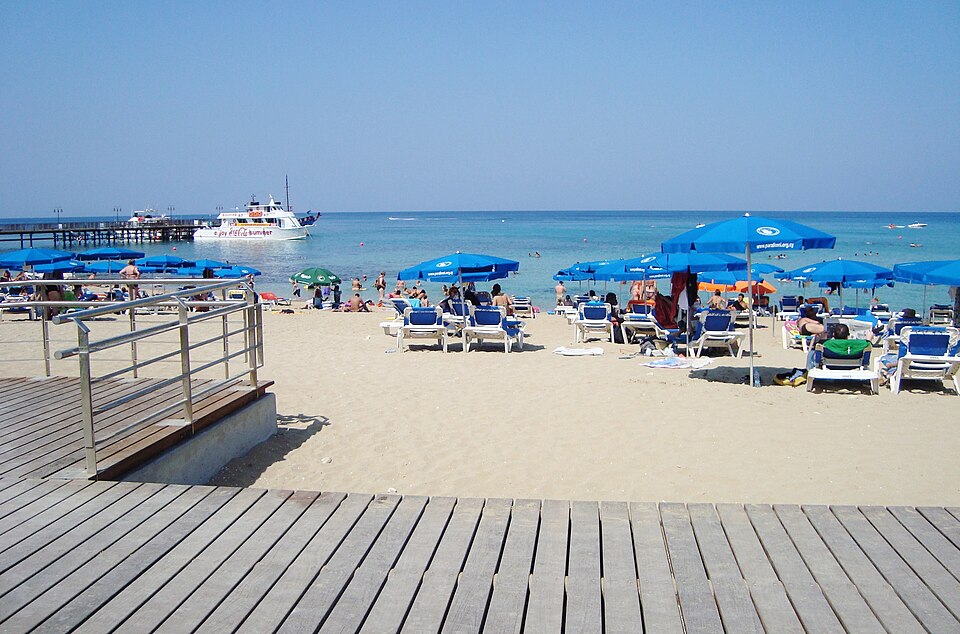
Paphos region combines easily accessible beaches like Coral Bay with wild coastal areas around Akamas Peninsula, offering both family-friendly facilities and opportunities for nature exploration.
The Paphos coastline reveals a different character from the east coast. Sandy beaches are less common here—you’ll encounter more pebble and mixed beaches—but what the region lacks in postcard-perfect sand, it compensates for with natural beauty and historical significance.
Coral Bay stands as Paphos’s most popular beach, and it’s easy to understand why. The wide semicircular bay with golden sand provides a rare sandy beach experience in this region. The water tends to be calm and shallow, making it ideal for families, and there are numerous hotels, restaurants, and bars within walking distance. During peak season, Coral Bay gets busy—genuinely crowded, in fact—but outside July and August, it’s delightful.
Moving north from Paphos towards the Akamas Peninsula, beaches become progressively more remote and undeveloped. Lara Bay, which I’ve discussed in detail above, represents the pinnacle of this progression—a protected beach where nature takes priority over tourism development. The turtle conservation efforts here deserve recognition; it’s refreshing to see tourism and conservation working in harmony rather than conflict.
Laourou Beach, another Akamas gem, requires hiking to reach but rewards the effort with near-total seclusion. The beach comprises pebbles and rocks rather than sand, and there are absolutely no facilities—you’ll need to bring everything with you. But if your idea of beach perfection involves solitude and nature, Laourou delivers spectacularly.
Practical Information for Beach Visitors
Best Time to Visit Cyprus Beaches
May through October provides ideal beach conditions in Cyprus, with June and September offering the best balance of warm weather and smaller crowds compared to peak July-August.
Cyprus enjoys over 300 days of sunshine annually, which means beach season extends considerably longer than many Mediterranean destinations. That said, there are definitely optimal times to visit depending on what you’re after.
Peak season (July-August) delivers guaranteed hot weather—temperatures regularly exceed 30°C, and the sea reaches its warmest at around 27°C. These months see the most crowds, highest prices, and occasionally, a slightly overwhelming atmosphere at popular beaches like Nissi and Coral Bay. If you thrive in busy, energetic environments and don’t mind sharing beach space, peak season offers the full Cyprus beach experience.
Shoulder season (May-June, September-October) represents, I think, the sweet spot for many visitors. Temperatures remain pleasantly warm—mid to high twenties—and the sea stays comfortable for swimming. Crowds thin considerably outside school holiday periods, prices drop, and you get more breathing room on even the most popular beaches. September particularly appeals because the sea has retained summer warmth whilst air temperatures become more moderate.
Off-season (November-April) sees some beaches essentially close for winter. Many facilities shut down, water sports operators disappear, and swimming becomes less appealing as sea temperatures drop to around 16-18°C. However, if you’re interested in coastal walks rather than swimming, winter months offer beautiful, empty beaches and pleasant hiking conditions.

Understanding Blue Flag Beaches
Cyprus boasts 64 Blue Flag beaches, meaning they meet strict international standards for water quality, safety, environmental management, and facilities. The Blue Flag designation provides reliable guidance for finding well-maintained beaches.
The Blue Flag programme operates internationally, and Cyprus has embraced it enthusiastically. Beaches earning this designation must meet rigorous criteria covering water quality testing, safety equipment availability, accessibility, environmental education, and management standards. For practical purposes, this means Blue Flag beaches will have lifeguards during summer, clean facilities, and regular monitoring.
All the major beaches I’ve discussed—Nissi, Fig Tree Bay, Coral Bay, Makronissos—hold Blue Flag status. It’s a useful indicator, particularly if you’re visiting with young children and want assurance about water quality and safety provisions.
Beach Facilities and What to Expect
Most popular Cyprus beaches offer sunbed and parasol rentals (€5-10 per day), changing facilities, toilets, lifeguards, and nearby restaurants. Remote beaches typically have no facilities at all.
Facilities vary dramatically depending on which type of beach you visit. At major tourist beaches like Nissi or Fig Tree Bay, you’ll find comprehensive amenities: sunbed and parasol hire, shower facilities, changing rooms, beach volleyball nets, water sports centres, and multiple restaurants and bars. These beaches function like well-oiled machines, particularly during peak season.
Mid-range beaches—places like Pissouri Bay or Governor’s Beach—typically offer basic facilities: perhaps a taverna or two, some sunbed rentals, but not the full array of services found at major beaches. This creates a more relaxed atmosphere whilst still providing essentials.
Remote beaches like Lara Bay or Laourou Beach offer virtually nothing. You’ll need to bring your own food, water, shade, and whatever else you require for the day. There are no toilets, no changing facilities, no restaurants. It’s proper wilderness beach experience, which appeals to some visitors but requires preparation.
Beach Safety Considerations
Cyprus beaches are generally safe, with lifeguards at major beaches during summer months (typically 10am-6pm), but be aware of jellyfish in late summer, strong currents near rock formations, and intense sun exposure.
Cyprus enjoys a good safety record at its beaches, but a few considerations are worth noting. The summer sun is intense—genuinely powerful—and sunburn happens quickly if you’re not careful. High-factor sunscreen, regular reapplication, and breaks in shade are essential, not optional. I’ve seen too many visitors arrive at beaches unprepared and end up suffering for it.
Jellyfish occasionally appear in Cyprus waters, particularly during late summer. They’re generally not dangerous—more irritating than anything—but their stings are unpleasant. If you spot jellyfish in the water, it’s sensible to avoid swimming until they’ve moved on. Most beaches post warnings when jellyfish are present.
Currents near rock formations and headlands can be stronger than expected. Areas like Aphrodite’s Rock, whilst tempting for swimming, demand respect. If you’re not a confident swimmer, stick to calmer bay areas rather than attempting to swim around exposed rocks.
Getting to Cyprus Beaches
Car rental provides the most flexible beach access in Cyprus, though major resort beaches are accessible via public buses and taxis. Remote beaches often require 4×4 vehicles or hiking.
Hiring a car makes perfect sense for exploring Cyprus beaches properly. The island isn’t enormous—you can drive from Paphos to Ayia Napa in about 90 minutes—and having your own transport allows you to visit multiple beaches, discover quieter spots, and avoid being tied to hotel locations.
Public buses connect major resorts and beaches reasonably well during summer. Routes between Ayia Napa, Protaras, Limassol, and Paphos run regularly, and many buses specifically service popular beaches. It’s affordable and straightforward if you’re sticking to well-known locations.
For remote beaches, particularly in the Akamas Peninsula, you’ll likely need a 4×4 vehicle. The tracks to places like Lara Bay are rough, with loose surfaces and occasional steep sections that regular cars struggle with. Alternatively, some remote beaches can be reached via boat trips or coastal hikes, which offer their own appeal.
What to Pack for Cyprus Beaches
Essential beach items include high-SPF sunscreen, water, towels, reef-safe sunscreen, sturdy footwear for pebble beaches, and snorkelling gear if visiting rocky areas. Remote beaches require additional supplies including food and shade equipment.
Sunscreen cannot be overstated—you’ll want factor 50 ideally, and you’ll go through it faster than you might expect. If you’re planning to snorkel around rocky areas, bringing your own mask and snorkel makes sense, though many beaches offer rentals. Water shoes or old trainers help on pebble beaches, where hot stones can be uncomfortable underfoot.
For remote beach visits, pack systematically: plenty of water (more than you think you’ll need), food for the day, a portable shade device if you have one, first aid basics, and rubbish bags to carry out your waste. These beaches lack facilities precisely because they’re protected areas—maintaining their pristine condition depends on visitors being responsible.
Regional Beach Experiences
East Coast Beach Culture
East coast beaches from Ayia Napa to Protaras deliver Cyprus’s most developed beach experience, with golden sands, extensive water sports, beach clubs, and lively atmospheres particularly suited to younger visitors and families seeking amenities.
The east coast has embraced beach tourism thoroughly, and this shows in the infrastructure. Beach promenades connect different sections of coastline, making it possible to walk from beach to beach whilst stopping at cafés and restaurants along the way. The Ayia Napa area particularly excels at this—you can spend an entire week visiting different beaches without ever feeling you’re repeating the experience.
Water sports dominate east coast beach culture. Jet skiing, parasailing, wakeboarding, banana boats—if it involves adrenaline and water, you’ll find it here. Operators are professional and safety-conscious, and prices, whilst not cheap, remain reasonable compared to some Mediterranean destinations.
West Coast Beach Experience
West coast beaches near Paphos and Akamas Peninsula offer a more natural, less commercialised experience, with emphasis on conservation, wildlife watching, and coastal hiking rather than water sports and beach parties.
The west coast appeals to different sensibilities. Visitors here tend to value nature over nightlife, tranquillity over entertainment. The beaches reflect this—they’re often smaller, less developed, and sometimes challenging to reach. But the rewards include genuine seclusion, stunning natural settings, and wildlife encounters you won’t experience on more commercialised beaches.
The Akamas Peninsula, in particular, offers outstanding coastal hiking. Trails wind along clifftops providing spectacular sea views, descending occasionally to hidden beaches accessible only on foot. It’s rugged, beautiful terrain that feels wonderfully remote despite being just an hour from Paphos.
Seasonal Considerations
Summer Beach Experience
Summer (June-August) delivers peak beach conditions with water temperatures around 27°C, guaranteed sunshine, and full facilities operation, but also brings maximum crowds and highest prices at popular beaches.
Summer beach days in Cyprus follow a predictable pattern. Beaches start filling from mid-morning, reach maximum capacity around midday, and maintain crowds until late afternoon. The busiest period, roughly 12pm-4pm, sees beaches like Nissi and Coral Bay become genuinely packed—finding space for your towel requires patience.
Heat during summer requires respect. Midday temperatures regularly exceed 35°C, and the sun’s intensity makes extended exposure uncomfortable and potentially dangerous. Many experienced visitors adopt a Mediterranean pattern: beach time in morning, retreat to shade or air conditioning during peak heat, then return to the beach late afternoon for sunset swimming.
Spring and Autumn Beach Visits
Spring (April-May) and autumn (September-October) offer ideal beach conditions with fewer crowds, comfortable temperatures, and lower prices whilst maintaining good swimming conditions. September particularly delivers warm sea temperatures and pleasant air temperatures.
I genuinely believe spring and autumn represent Cyprus’s best beach weather. September stands out particularly—the sea has retained summer warmth, reaching 25-26°C, whilst air temperatures drop to more comfortable levels around 28-30°C. You can spend full days at the beach without the oppressive heat that sometimes makes July and August challenging.
Spring brings different appeal. The sea remains relatively cool—around 20-22°C—which feels refreshing rather than bathwater-warm. The countryside around beaches bursts into flower, creating beautiful coastal scenery. If you’re interested in combining beach time with walking or exploring, spring conditions are ideal.
Frequently Asked Questions
Are Cyprus beaches free to access?
Yes, all Cyprus beaches are free to access, though facilities like sunbeds, parasols, and water sports cost extra (typically €5-10 for sunbed/parasol sets per day).
By law, Cyprus beaches remain public, meaning anyone can access them without charge. What you’ll pay for are amenities—sunbed and parasol hire, water sports, food and drink from beach facilities. These charges are reasonable by European standards, and you’re perfectly entitled to bring your own equipment and use beaches without purchasing anything.
Which Cyprus beach is best for families with young children?
Fig Tree Bay in Protaras ranks as Cyprus’s best family beach, featuring shallow calm waters extending far from shore, soft sand, full facilities including lifeguards, and the attraction of a small island that children can safely swim to.
The combination of safe swimming conditions, excellent facilities, and that small offshore island creates ideal family beach conditions. The beach never feels too rowdy—the party crowd gravitates towards Ayia Napa—and there are plenty of family-oriented restaurants nearby.
Where can I see turtles in Cyprus?
Lara Bay on the Akamas Peninsula offers the best turtle-watching opportunities, serving as a protected nesting site for green turtles and loggerhead turtles from May through October.
The Lara Bay conservation project monitors turtle nesting and protects hatchlings. Whilst seeing adult turtles laying eggs requires specific timing and luck, the marked nesting areas and information provided make it possible to understand and appreciate the conservation work. Green Bay near Protaras also occasionally sees turtle activity, though it’s less reliable than Lara Bay.
What’s the best beach for sunset views?
Coral Bay near Paphos delivers Cyprus’s most spectacular beach sunsets, with the west-facing bay providing unobstructed sunset views across the Mediterranean, particularly stunning during spring and autumn.
West coast beaches generally offer better sunset viewing than east coast locations simply due to geography. Coral Bay’s wide semicircular shape provides excellent vantage points, and several beachfront bars and restaurants allow you to watch the sunset whilst enjoying dinner or drinks.
Are there nudist beaches in Cyprus?
Sandy Bay in Ayia Napa serves as Cyprus’s unofficial naturist beach, located slightly outside the main resort area and offering secluded conditions for clothing-optional sunbathing.
Whilst public nudity isn’t officially permitted in Cyprus, Sandy Bay has become accepted for naturist use through long tradition. The beach’s isolated position and the fact that it requires a short walk to reach means it’s frequented primarily by those specifically seeking naturist options rather than general beachgoers.
Can you swim in Cyprus beaches year-round?
Swimming is comfortable from April through November, with peak conditions May through October. Winter months (December-March) see sea temperatures drop to 16-18°C, which most visitors find too cold, though some hardy swimmers continue year-round.
Many expatriates living in Cyprus swim throughout winter, but for holiday visitors accustomed to warm water, the swimming season effectively runs April/May through October/November. By late November, sea temperatures typically drop below 20°C, and most beach facilities close for winter.
Making the Most of Your Cyprus Beach Experience
Cyprus’s diverse coastline offers something for every beach preference—research which region and beach type aligns with your holiday style, visit during shoulder season for optimal conditions, and don’t hesitate to explore beyond the most famous beaches to discover personal favourites.
The beauty of Cyprus beaches lies in their variety. You can genuinely experience completely different beach holidays on the same island—party atmosphere in Ayia Napa, family fun in Protaras, nature immersion on Akamas Peninsula, or historical exploration around Paphos. This versatility means Cyprus works equally well for repeat visits as it does for first-timers.
My recommendation would be to plan your stay around beach variety rather than sticking to one location. Even if you’re based in one resort, take day trips to experience different coastal regions. The east coast beaches show you one side of Cyprus, whilst the west coast reveals something entirely different. Combining both provides a more complete picture of what the island offers.
And perhaps most importantly, don’t feel obliged to visit only the famous beaches. Some of the most memorable beach experiences come from discovering quieter spots—a small cove you noticed whilst driving, a local recommendation, or simply following a track to see where it leads. Cyprus rewards exploration, and the coastline holds far more gems than any single guide could comprehensively cover.