

Quick Start: Bali in 90 Seconds
- Best months: Generally May, June, September, and October for drier skies, calmer seas, and fewer crowds.
- Seasons: Dry season runs roughly April–October; rainy season November–March. Temperatures hover around 26–31°C year-round.
- Entry basics: Many travelers use Visa on Arrival (30 days, extendable once). eVOA pre-application optional but convenient. Pay the Bali tourist levy before or on arrival and keep proof handy.
- Where to base: Seminyak/Canggu for cafés and surf; Ubud for culture and waterfalls; Uluwatu for dramatic beaches and sunsets; Nusa Dua/Jimbaran/Sanur for family-friendly stays.
- Starter itinerary (7 days): 2 nights Canggu/Seminyak → 3 nights Ubud → 2 nights Uluwatu.
If you take one thing away: pick your bases first, then cluster sights by region. Cutting criss-cross traffic is half the battle in Bali.

Best Time to Visit Bali (Month-by-Month)
There’s never a truly “bad” time if you manage expectations. The shoulder windows—May–June and September–October—usually balance weather, prices, and crowds. Rainy months can surprise you with sunny pockets (and vice versa), so plan a little flexibility. Perhaps schedule one “free” day every 4–5 days to catch your breath or pivot if the clouds roll in.
By month (quick notes)
- January–February: Wettest stretch; lush rice terraces, occasional heavy showers; great for spa, cafés, and Ubud days.
- March: Still wet but easing; Nyepi (Day of Silence) usually falls in March—everything pauses for 24 hours. Plan around it.
- April: Transition to dry; improving beach days, shoulder pricing starts.
- May–June: Dry, bright, good sea visibility; sweet spot for first-timers.
- July–August: Peak season; book early for popular hotels and daybeds; breezier afternoons.
- September–October: Another sweet spot; sea is usually welcoming, crowds thin a bit.
- November–December: Rains return; still many clear mornings; festive buzz late December.
Surf can be seasonally dependent (west coast in dry season, east coast in wet), but beginners can find lessons almost year-round with the right beach choice and timing.
Visas, eVOA, Autogates, and the Bali Tourist Levy
This part changes from time to time, so double-check before flying. In general: many nationalities can obtain a 30-day Visa on Arrival at the airport; it’s typically extendable once for another 30 days. If you prefer less queuing, apply and pay online (eVOA) in advance—then you can glide a bit faster on arrival. Passport validity of at least six months and an onward ticket are standard expectations.
Tourist levy: Bali charges a per-entry levy; pay it online or at designated counters and keep the receipt or QR code accessible. Consider paying before you fly to speed things up at the airport. If someone offers to “handle it for a fee,” politely decline and use official channels.
- Keep your passport, eVOA confirmation (if applicable), onward ticket, and levy proof together in a travel folder or phone wallet.
- Autogate access may be available for certain nationalities or e-visa holders; eligibility varies—signage at arrivals makes it clear.
- If extending, start early to avoid stress, or use a reputable agent if you prefer a smoother process.
Where to Stay in Bali (By Traveler Type)
Choosing your base is the highest-leverage decision you’ll make. Traffic is very real; clustering saves hours. Think about vibe, commute tolerance, and trip length more than “must-see everything.” It’s okay if you don’t.
Seminyak & Canggu (West Coast)
Cafés, cowork vibes, boutique shops, surf schools, and sunset beaches. Great if you want energy and convenience. Expect lively scenes and daybeds at beach clubs. If you care about food variety and easy transport to Tanah Lot, this is strong.
Related reading: explore tide-friendly beaches, currents, and daybed tips in our Bali beaches and surf guide.
Ubud (Central)
Temples, rice terraces, and waterfall day trips. You’re well-placed for Tirta Empul, Kanto Lampo, Tukad Cepung, and Tegenungan. The vibe is slower, greener, and often a tad cooler in the mornings. If culture, yoga, and nature are your priorities, Ubud is a natural hub.
Planning a waterfall-focused day? Our Bali waterfalls itinerary and safety tips covers drive times, stair counts, and the best early starts.
Uluwatu & the Bukit Peninsula (South)
Cliffside temples, spectacular coves, and those iconic sunset views. Some beaches require stairs down (and up), which adds to the magic—just wear proper footwear. Perfect for people who want beach days with dramatic scenery and a touch of luxury if desired.
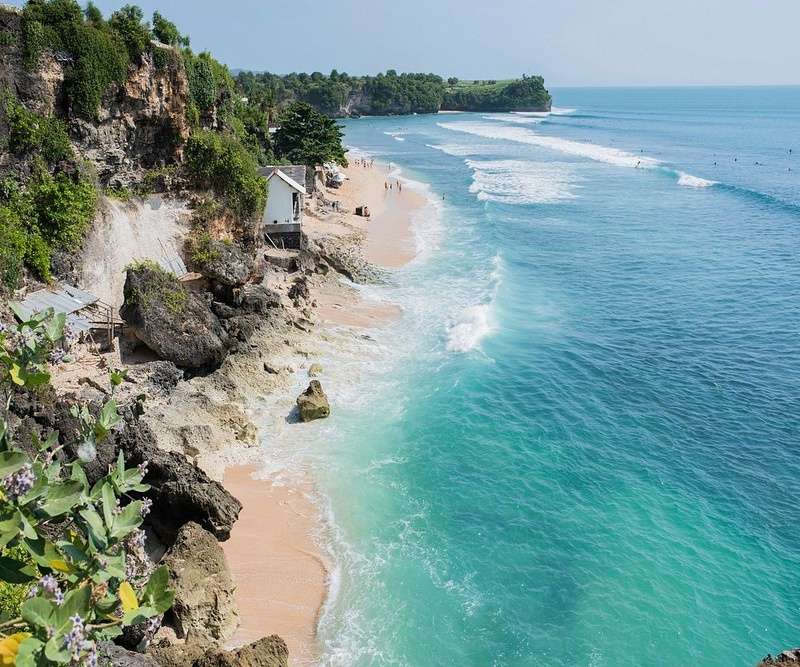
Jimbaran, Nusa Dua, Sanur (Family-Friendly)
Calmer waters (generally), wide beaches, and a quieter pace. Jimbaran is known for seafood dinners on the sand; Nusa Dua is resort-forward with manicured stretches; Sanur has an easygoing seaside promenade and good sunrise scenes.
Getting Around: Airport, Rideshare, Drivers, Scooters
From the airport, you’ll find official taxi counters, ride-hailing pickup zones (with some local restrictions), and private transfers. If you’re arriving late or with kids, pre-booking a transfer is sanity-saving. If not, it’s still manageable—just be clear on price before you roll.
- Ride-hailing: Gojek and Grab are widely used, but some areas have restrictions or designated pickup points. When in doubt, ask your accommodation for the smoothest option.
- Private drivers: Popular for day trips to temples and waterfalls. Expect a day rate; costs vary by route and hours. It’s efficient for multi-stop routes.
- Scooters: Only ride if licensed, insured, and confident. Always wear a helmet. Roads can be busy, signage inconsistent, and tropical rain changes stopping distance fast.
When you plan bigger loops (say, Ubud waterfalls + rice terraces), a private driver can be better than juggling multiple short rides. Less fiddling with your phone; more time at the sights.
If you want a deeper dive into options and costs, bookmark our Bali transport guide for driver day rates, ride-hail nuances, and scooter-insurance checklists.
The Best Things to Do in Bali
There’s more than you’ll fit into one trip. Which is freeing. Choose by mood: waves and sunset? Temples and culture? Waterfalls and jungle spray? You can mix—but it’s kinder to your schedule if you cluster by side of the island.
Beaches and Surf
West coast (Canggu–Seminyak) is classic for surf schools and sunset strolls. The Bukit (Uluwatu, Padang Padang, Melasti) brings cliff views and smaller coves with stairs. Tides and swell matter; beginner lessons are best on forgiving sands at calmer times of day. Families often like Jimbaran or Nusa Dua for gentler mornings.
For currents, stairs, and daybed strategy, open the Bali beaches and surf guide in a new tab.
Temples
Uluwatu and Tanah Lot are crowd-pleasers for drama at golden hour. Tirta Empul offers purification rituals (dress respectfully). Ulun Danu Beratan, set on a lake, is photogenic in the morning calm. Carry or borrow sarongs, and mind the small daily offerings near steps and entrances.
Waterfalls
Near Ubud: Tegenungan, Kanto Lampo, Tukad Cepung. North Bali: Sekumpul, Aling-Aling, Banyumala. Expect stairs, mist, and slippery rock—worth it. Go early. Bring a dry bag and good footwear. Some sites benefit from local guides, especially after rain.
Use the Bali waterfalls itinerary and safety tips for realistic timing and difficulty notes.
Rice Terraces, Lakes, and Extras
Tegallalang draws crowds (arrive early). Pair it with nearby temples or coffee tastings. Further north, the twin lakes and highland views offer a cooler change of scene. Sunrise treks (like Mount Batur) reward early risers; spas and yoga balance the pace if you’d rather not climb.
5-, 7-, 10-, and 14-Day Bali Itineraries
Think in morning/afternoon blocks. It reduces backtracking and takes the edge off traffic. Keep one “float” slot every few days to recover or chase better weather. And if a line looks endless (it happens), you can always bail and return another morning.
5 Days (First-Timer Sampler)
- Days 1–2: Seminyak/Canggu for surf lessons, cafés, and a Tanah Lot sunset.
- Days 3–5: Ubud for Tegallalang, Tirta Empul, and a waterfall loop (Tegenungan or Kanto Lampo). Slot in a spa afternoon.
7 Days (Beaches + Culture + Cliffs)
- Days 1–2: Canggu/Seminyak (sunset, beach club day if you like).
- Days 3–5: Ubud (rice terraces, temple day, one waterfall morning).
- Days 6–7: Uluwatu (beaches, Uluwatu Temple at sunset).
10 Days (Add North Bali or Nusa Islands)
- Base as per 7-day plan, then add 3 days: either North Bali (Sekumpul, Aling-Aling, lakes) or a quick hop to Nusa Penida/Lembongan for snorkeling and viewpoints.
14 Days (Deep Dive)
- Split time among west coast, Ubud, Uluwatu, and either North Bali or the Nusas. Try two waterfall mornings and one longer temple circuit day. Leave the final day lighter—shopping or a long lunch with a view.
Want turn-by-turn blocks and embedded map sets? Open our Bali itineraries: 5, 7, 10, and 14 days for saveable routes.

Budgeting Bali: Costs, Fees, and Money Tips
Costs stretch wide. You can keep it humble and authentic with local eateries and guesthouses or lean into villas and beach clubs. Both are valid; both can be memorable. A few ballparks help set expectations:
- Budget travel: Homestays/guesthouses, local warungs, shared rides or scooter rentals.
- Mid-range: Boutique hotels/villas, private drivers for day trips, a couple of beach club afternoons.
- Upscale: Full-service resorts, more private tours, spa days, fine dining.
Line items to plan for: SIM/eSIM, scooter/day or driver/day, temple and waterfall entry fees, massage sessions, and that per-entry tourist levy. Carry a mix of card and cash; small notes help with parking and local stalls.
For tables and current ranges, see Bali on a budget: daily costs and price checklist.
Safety, Etiquette, and Responsible Travel
Beaches sometimes look calm when they aren’t. Respect flags, follow lifeguard advice, and avoid swimming alone on rough days. On scooters, helmets aren’t optional. Heat, sun, and dehydration are sneaky—electrolytes help more than you’d think.
- Temples: Dress modestly; sarongs are often rentable. Move carefully around offerings (canang sari) on pathways.
- Monkeys: They’re clever. Keep valuables tucked away; don’t wave food around.
- Waste & water: Refill when you can, pack out trash, and consider reef-safe sunscreen to protect marine life.
If you want more waterfall-specific cautions (slippery rock, flash rain, valuables), the waterfall safety guide has you covered.
Packing for Bali (Season-Smart)
Keep it light, with a few clever adds. You’ll thank yourself on stairs and in sudden showers. Think: breathable layers, reliable sandals plus grippy shoes, a compact daypack, and a dry bag for waterfall mornings. For temples, pack a lightweight sarong or plan to rent one onsite.
- Sun armor: reef-safe sunscreen, hat, sunglasses, lip balm with SPF.
- Waterfall kit: dry bag, microfiber towel, change of clothes.
- Health: electrolytes, basic meds, and whatever you need for sensitive stomachs.
- Power: universal adapter and a small power bank for long days out.
For a downloadable checklist (wet vs dry tweaks), see the packing list for Bali.
Plan Your Trip: Tools, Maps, and Next Reads
Save map layers for beaches and waterfalls, star your must-eats, and keep one “free” sunrise and one “free” sunset. That breathing room turns near-misses into small victories.
Next: open our Bali beaches and surf guide for coast-by-coast picks, then stack a day or two with the Bali waterfalls itinerary and safety tips. If you’re still shaping your route, the Bali itineraries (5, 7, 10, 14 days) pull it all together.
For entry rules and fees in one place, keep an eye on Bali visa, eVOA, autogate and tourist tax explained. And if transport logistics stress you out, breathe—our Bali transport guide walks through ride-hailing realities, private driver day-rates, and scooter insurance checks.