
Choosing the best Caribbean islands to visit isn’t just about pretty beaches; it’s about timing, budget, and what you actually enjoy on holiday. Let’s make that decision easier—step by step, with real trade‑offs and calm, useful advice.
Why this guide might help
Perhaps the hardest part is that most islands look perfect in photos. In real life, seasons shift, seaweed happens, and prices spike in ways that can surprise you. This guide balances inspiration with planning details so you land on the right island for your dates, your style, and your wallet.
If you prefer to decide by month, consider hopping over to a month‑by‑month overview as you read; otherwise, stay here for the big picture and skim the quick picks first.
Quick picks by traveler type
Not everyone wants the same thing. Here’s a fast, human way to match your vibe with an island—no overpromises.
- First‑timers who want easy logistics: Aruba, Barbados, Grand Cayman.
- Postcard‑perfect beaches: Turks & Caicos, Anguilla.
- Romance and dramatic scenery: St. Lucia.
- Eco‑adventure and hiking: Dominica.
- Diving and snorkel clarity: Bonaire, Cayman Islands, Turks & Caicos.
- Sailing/island‑hopping: Antigua & Barbuda, St. Vincent & the Grenadines, BVI.
- Food and culture: Barbados, Puerto Rico, Martinique.
- Better odds against hurricanes in summer: ABC islands (Aruba, Bonaire, Curaçao).
If timing is your main worry, read the best time to visit the Caribbean by month guide and then come back here to pick your shortlist.
When to go (in plain English)
Generally, December to April is drier, sunnier, and pricier. June to November is hurricane season—cheaper, but with more rain risk and the need for flexible plans. Shoulder months (late April to early June, and late October to November) can be the sweet spot if you’re okay with a little unpredictability.
One more nuance: the far southern ABC islands sit outside the main hurricane belt and are popular summer picks. That said, weather is… weather. Have a plan B for one wet day, and you’ll be fine. For a month‑by‑month breakdown, see the best time to visit the Caribbean by month companion.
Sargassum basics (seaweed reality check)
Sargassum is floating seaweed that can wash up on beaches seasonally, especially on east‑facing shores. Some weeks are pristine, some are messy; it varies by island, coast, wind, and currents. Western and leeward beaches are often cleaner, and many resorts groom daily.
If this is a priority for you, skim our no‑drama primer: Caribbean sargassum travel guide. It explains patterns, simple avoidance tips, and what to do if you arrive on a “seaweed week.”
Safety snapshot for 2025
Most trips are uneventful when you use basic common sense. Islands often favored for a calm visitor experience include Anguilla, Cayman Islands, Aruba, and Barbados, among others. That doesn’t mean zero risk—just that the overall visitor experience tends to feel steady.
If you’d like practical, level‑headed context (not sensational headlines), read the safest Caribbean islands in 2025 overview. It also covers simple precautions that make sense anywhere.
15 best Caribbean islands to visit in 2025
Short profiles you can actually use. Each one includes who it’s for, best months, quick planning notes, signature experiences, and a plan B for a rainy day.
Turks & Caicos
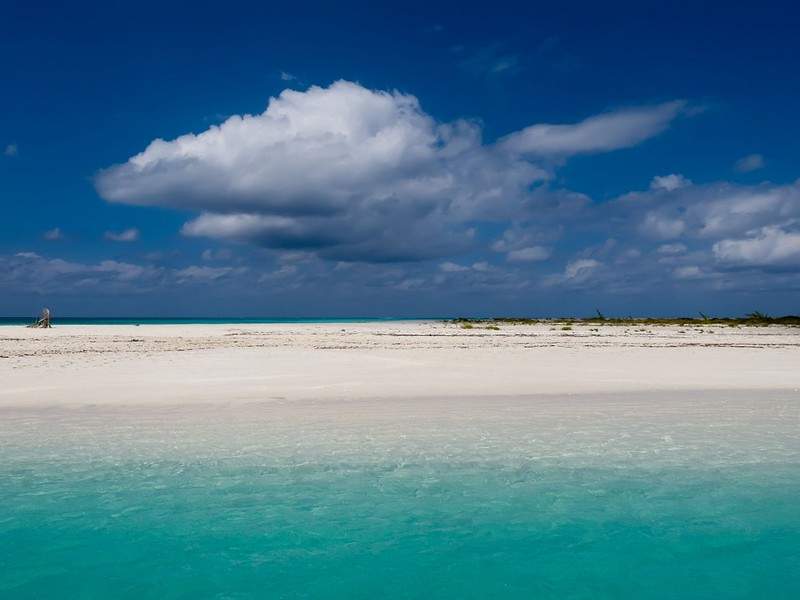
Why go: Spectacular, wide beaches (Grace Bay), clear turquoise water, easy snorkeling and boating. Quiet luxury rather than party vibes.
Best months: December–April for dry weather; May–June shoulder can be lovely with better rates.
Plan notes: Nonstops from several U.S. hubs. Prices can be high; consider a condo near Grace Bay for kitchens and space.
Don’t miss: Half‑day boat trip to sandbars; sunset on Grace Bay; snorkeling off Bight Reef.
Rain plan: Brunch in Grace Bay, spa time, or a cooking class; book a car for flexible cafe‑hopping.
St. Lucia
Why go: The Pitons, rainforest, hot springs—romance with a bit of adventure. Resorts perch on cliffs with unbelievable views.
Best months: December–April peak; shoulder in May and November can be great if you’re flexible.
Plan notes: Roads are winding; pick north (Rodney Bay) for beaches and dining or south (Soufrière) for scenery and privacy.
Don’t miss: Piton boat and hike combo; sulphur springs; Friday night fish fry in Gros Islet.
Rain plan: Chocolate estate tour, spa and hot springs, rum tasting.
Aruba
Why go: Consistent sunshine and trade winds; outside the main hurricane belt; easy logistics, great for families.
Best months: Year‑round friendly, including summer; peak is December–April.
Plan notes: Eagle and Manchebo for a calmer scene; Palm Beach for resorts and action. Car rental makes beach‑hopping simple.
Don’t miss: Eagle Beach at golden hour; Arikok National Park; snorkel at Boca Catalina.
Rain plan: Aloe museum, cafes in Oranjestad, shopping, relaxed long lunches.
Anguilla
Why go: Powdery beaches, refined dining, low‑rise calm. It’s about the water and the meals, not nightlife.
Best months: December–April; shoulder in late spring works if you watch the forecast.
Plan notes: Fly via St. Martin then ferry over; book beach clubs for lazy days with service and shade.
Don’t miss: Shoal Bay East, Meads Bay restaurants, beach‑hopping by car.
Rain plan: Long lunch at a view restaurant; spa; cooking classes if available.
Barbados
Why go: Welcoming vibe, excellent food (from fish cutters to fine dining), good roads, and varied coasts.
Best months: December–April; shoulder in May and late fall for value. Crop Over festival in summer if that’s your thing.
Plan notes: West (calm beaches), South (mix of beaches/dining), East (rugged, scenic). Self‑drive is easy.
Don’t miss: Oistins Fish Fry (Fri), Carlisle Bay swim, Mount Gay rum tour, Bathsheba photo stops.
Rain plan: Distillery visits, cafes in Holetown, galleries, historic houses.
Grand Cayman (Cayman Islands)
Why go: Seven Mile Beach, clear water, excellent diving and snorkeling, condo options for families.
Best months: December–April; shoulder often comfortable with fewer crowds.
Plan notes: Condo rows on Seven Mile make logistics easy; rent a car for Rum Point and East End.
Don’t miss: Stingray City, Eden Rock dive, evening on Seven Mile.
Rain plan: Cayman Spirits Co., cafes, Camana Bay shopping and dining.
British Virgin Islands
Why go: Sailing paradise with calm seas, lovely bays, and a relaxed, upscale energy.
Best months: December–April for sailing; shoulder in May–June can be beautiful.
Plan notes: Charter a crewed or bareboat yacht or base on Tortola/Virgin Gorda. Book well ahead in peak.
Don’t miss: The Baths (Virgin Gorda), Soggy Dollar, snorkeling the Indians.
Rain plan: Long lunches at marinas, spas, rum tastings, island museums.
Antigua & Barbuda
Why go: “365 beaches,” active sailing culture, regattas, and easy day trips to Barbuda for pink‑tinged sand.
Best months: December–April; April–June for shoulder value and calmer seas.
Plan notes: Stay near Dickenson Bay or English Harbour; pair with Barbuda for a quiet day.
Don’t miss: Shirley Heights Sunday sunset, Devil’s Bridge, Barbuda’s beaches.
Rain plan: Naval heritage sites, cafes around English Harbour, spa time.
St. Vincent & the Grenadines
Why go: Under‑the‑radar cays, sailing routes, and low‑key islands (Bequia, Mayreau, Tobago Cays).
Best months: December–April; good shoulder opportunities for sailors.
Plan notes: Consider a mixed stay: a few nights on Bequia + a sailing day to the Cays.
Don’t miss: Tobago Cays turtles, Bequia waterfront, salt‑spray sunsets.
Rain plan: Long lunches, craft shops, small museums, cooking lessons.

Dominica
Why go: The “Nature Island” with hot springs, waterfalls, and serious hiking. Less about beaches, more about wild beauty.
Best months: December–April; ambitious hikers also enjoy cooler, greener shoulder weeks.
Plan notes: A car helps; choose lodges near hot springs for cozy, rainy evenings.
Don’t miss: Trafalgar Falls, Titou Gorge, boiling lake trek (guided).
Rain plan: Hot springs day, chocolate factory tours, wellness treatments.
Curaçao
Why go: Colorful Willemstad, cove beaches, strong shore diving, and consistent sunshine.
Best months: Good year‑round; December–April is peak, summer remains reliable.
Plan notes: West‑end beach‑hopping (Playa Grandi, Porto Mari); rent a car.
Don’t miss: Handelskade waterfront, Knip beaches, lagoon snorkels.
Rain plan: Museum Kura Hulanda, coffee bars, street art strolls.
Bonaire
Why go: Shore‑diving heaven; calm, serious underwater focus; relaxed and unfussy.
Best months: Year‑round; summer is very workable.
Plan notes: Rent a truck for drive‑up dive sites; snorkelers also thrive.
Don’t miss: 1,000 Steps dive/snorkel, salt flats, windsurfing at Lac Bay.
Rain plan: Cafe breaks, dive shop classes, photo editing sessions.
Bahamas (focus: Exumas)
Why go: Sandbars, crazy‑clear shallows, island‑hopping boat days. Great for short trips from the U.S.
Best months: December–April; shoulder in May can be dreamy.
Plan notes: Consider a split: Nassau for flights + Exumas for water days.
Don’t miss: Compass Cay sandbars, Thunderball Grotto, swimming pigs (early outings beat crowds).
Rain plan: Rum tastings, art galleries, long brunches.
Puerto Rico
Why go: No passport for U.S. citizens, lively food scene, Old San Juan culture, El Yunque rainforest, and beach variety.
Best months: December–April; shoulder around spring and late fall offers value.
Plan notes: Split stay: Old San Juan + beach (Condado/Isla Verde) or add Rincon on the west coast.
Don’t miss: Bioluminescent bays, Old San Juan walks, lechonera road trips.
Rain plan: Coffee shops, museums, cocktail bars, cooking classes.
Martinique
Why go: French‑Caribbean blend, hiking and rum distilleries, great bakeries, and scenic coves.
Best months: December–April; shoulder is appealing for hikers and food lovers.
Plan notes: Car helps for distillery route and coves; basic French goes a long way.
Don’t miss: Mount Pelée hikes, Depaz or Clement distilleries, Anse Dufour snorkeling.
Rain plan: Long lunches, distillery tours, markets, patisseries.
Grenada
Why go: “Spice Island” charm, waterfalls, uncrowded beaches, and friendly feel.
Best months: December–April; shoulder periods work with flexible plans.
Plan notes: Base near Grand Anse for convenience; add a Carriacou day if you can.
Don’t miss: Annandale or Seven Sisters Waterfalls, cocoa and spice tours, underwater sculpture park.
Rain plan: Chocolate tastings, market browsing, cafes and bookshops.
Island pairings and easy hops
If you like a little movement, these pairings balance convenience with contrast—just enough novelty without travel fatigue.
- St. Martin + St. Barts: Base on St. Martin for value; ferry over for a glamorous lunch and beach day.
- Antigua + Barbuda: Classic beach duo; overnight on Barbuda if you crave quiet.
- St. Vincent + Bequia/Tobago Cays: A small plane or ferry, then sailing to the Cays for turtles and sandbars.
- Aruba + Curaçao: Fly between them for a week of beaches + culture and cove snorkels.
- Puerto Rico + Culebra/Vieques: Easy add‑on for quieter beaches and biobay magic.
If you’re mapping by dates and seasons, the best time to visit the Caribbean by month guide helps you pick the right side of a shoulder month.
Budgeting and booking (no surprises)
Peak season (Dec–Apr) means higher flight and hotel rates, especially around holidays. Shoulder months can trim costs by 20–40% depending on the island and exact week. Condos or apartment hotels are a smart move for families—space, kitchens, and calmer evenings.
Quick saving ideas: travel Saturday–Wednesday, bundle car rentals early, consider two bases (budget + splurge), and prioritize one signature boat day over scattered tours. If you’re worried about seaweed or storms, keep cancellation terms flexible and bookmark the sargassum guide for on‑the‑ground pivots.
FAQs
Which are the best Caribbean islands to visit for first‑timers?
Aruba and Barbados for smooth logistics; Grand Cayman for condos and clear water; Turks & Caicos if you want beach‑first with minimal hassle. If you’re traveling in summer, ABC islands are a safe bet for steadier weather.
What about the best Caribbean islands to visit for couples?
St. Lucia for dramatic views and special‑occasion hotels; Anguilla for quiet beaches and standout restaurants; Turks & Caicos for long, slow days and sunset walks.
When is the best time to visit the Caribbean?
Peak is December–April for dry, sunny weather. Shoulder seasons (late spring and late fall) can offer value and fewer crowds if you accept some weather variability. For specifics, check the best time to visit the Caribbean by month explainer.
How do I avoid sargassum?
Favor west/leeward beaches, look at the ABC islands in summer, and choose resorts known for daily grooming. If conditions shift, use the Caribbean sargassum travel guide for simple, practical tweaks.
Which Caribbean islands feel safest for visitors?
Anguilla, Cayman Islands, Aruba, and Barbados are often mentioned by travelers for steady, comfortable experiences. If that’s a top concern, skim the safest Caribbean islands in 2025 overview for calm, practical advice.
How to decide—quickly
If you want quiet beaches and easy days, shortlist Turks & Caicos and Anguilla. If you need summer dates without drama, look at Aruba, Bonaire, or Curaçao. If you love nature and don’t mind a little rain, Dominica will surprise you. And if you’re still stuck, step back and choose by month—start here: best time to visit the Caribbean by month. Then come back and pick two islands that make you smile when you say their names out loud. It’s a simple test, but it works.