
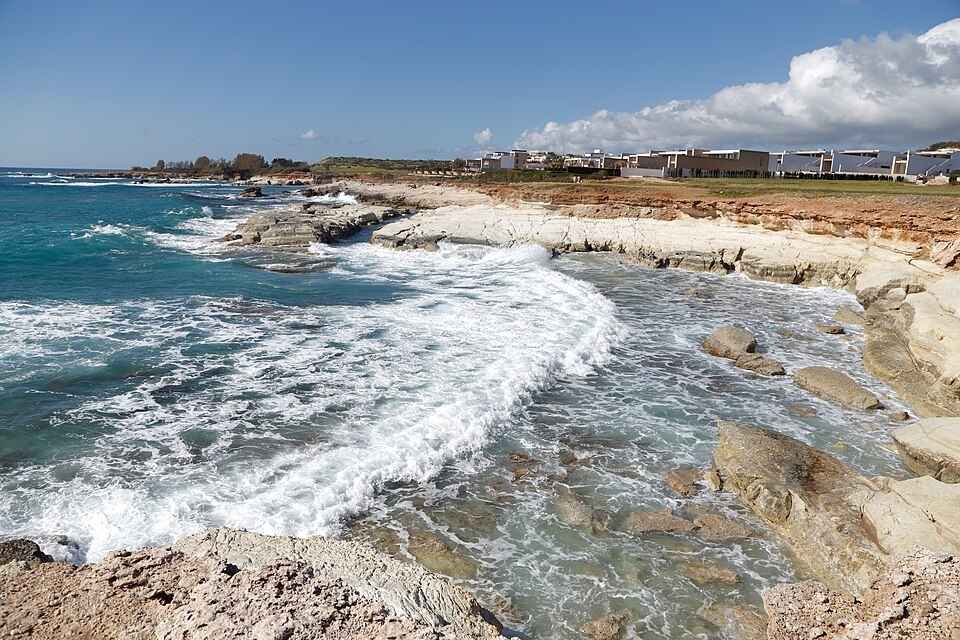
What Makes a Beach Truly Secluded
Genuinely secluded beaches typically require hiking access, 4×4 vehicles, or boat trips to reach, feature minimal or no facilities, and attract fewer than 20-30 visitors daily even during peak season. The effort required to access them creates natural filtering that preserves their peaceful character.
Seclusion isn’t just about numbers—it’s about atmosphere and expectation. A beach might host 50 people spread across 800 metres of coastline and feel wonderfully spacious, whilst another beach with 30 people concentrated in 150 metres feels crowded. True seclusion combines low visitor numbers with sufficient space that you maintain privacy and that sense of discovery rather than organised tourism.
The access factor matters enormously. Beaches reachable via paved roads and ample parking rarely stay secluded for long—word spreads, they appear in guides, and gradually visitor numbers increase. Beaches requiring rough tracks, hiking, or boat access maintain seclusion precisely because most visitors aren’t willing to make that effort. It’s self-selecting—people who reach these beaches genuinely want the experience they offer rather than ending up there by accident.
Facilities—or lack thereof—also define secluded beaches. No sunbed rentals, no beach bars, no toilets, no changing rooms. You bring everything needed and carry all rubbish out. This lack of infrastructure discourages casual visitors whilst appealing to those seeking natural, unspoilt environments. It’s wilderness beach experience requiring preparation and commitment rather than spontaneous decisions.
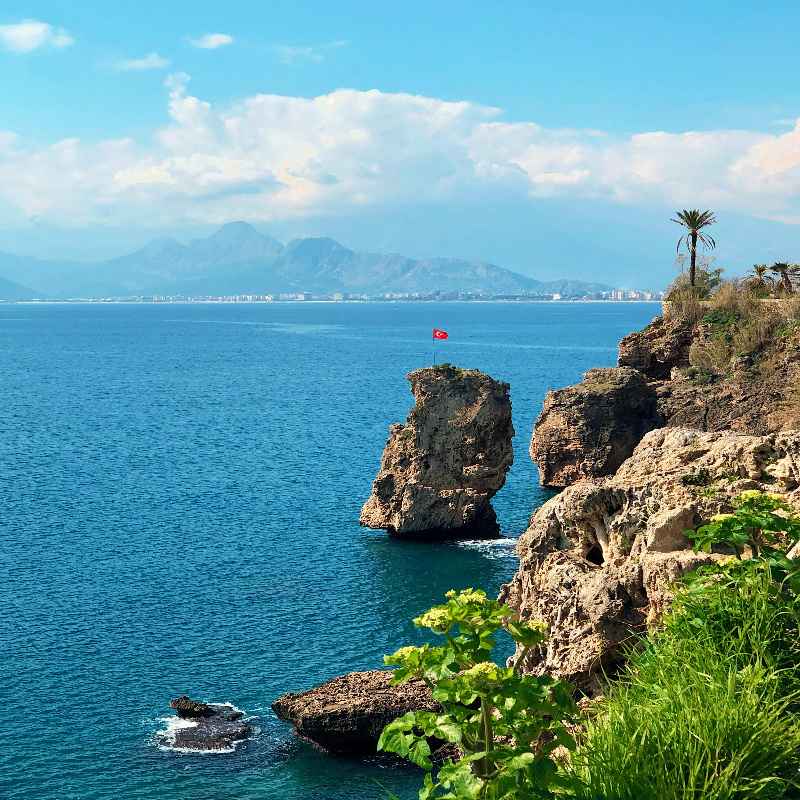
Lara Bay: The Protected Paradise
Lara Bay on the Akamas Peninsula provides Cyprus’s most famous secluded beach, accessible only by 4×4 vehicle or boat, renowned for green turtle and loggerhead turtle nesting, and featuring pristine golden sand with absolutely no commercial development. The beach offers genuine wilderness experiences whilst remaining accessible to determined visitors.
Lara Bay deserves its reputation as Cyprus’s premier secluded beach. The combination of protected status for turtle conservation, challenging access that filters visitors, and genuinely beautiful natural setting creates rather special conditions. The beach stretches for roughly 800 metres, backed by low dunes and scrubland rather than any buildings. The sand is golden-brown, the water typically calm given the bay’s sheltered position, and during quieter periods—outside July and August—you might share the beach with only a handful of other visitors.
Reaching Lara Bay requires commitment. The track from Agios Georgios village (northern approach) is rough—loose gravel, occasional steep sections, ruts from previous vehicles. Regular cars genuinely struggle; you need proper 4×4 capability. The drive takes 30-40 minutes from where paved road ends, longer if you’re cautious. Some visitors hire 4x4s specifically for reaching Lara Bay, which makes sense if it’s a priority destination. Alternatively, boat trips operate from various coastal points, combining Lara Bay with other scenic locations like Blue Lagoon.
Turtle Conservation and Beach Rules
Lara Bay hosts critical nesting sites for endangered green turtles and loggerhead turtles from May through October, with strict conservation rules including no parasols or umbrellas during nesting season, no dogs, and respecting marked nesting areas. Conservation efforts have significantly improved hatchling success rates over recent decades.
The turtle conservation work here is genuinely impressive and worth understanding. Female turtles return to Lara Bay every year during breeding season—the same beach where they themselves hatched decades earlier, following instincts scientists still don’t fully understand. They emerge at night to lay eggs in the sand, burying clutches of 80-120 eggs before returning to the sea. Roughly 50-60 days later, hatchlings emerge and make their instinctive dash to the water.
The conservation project marks nesting areas with protective caging that prevents accidental disturbance whilst allowing natural incubation. Information boards explain the lifecycle, conservation challenges, and how visitors can help. The rules exist for good reasons—parasols and umbrellas can block turtle access to nesting areas, dogs disturb nesting sites, and excessive beach furniture interferes with natural processes. Respecting these rules isn’t optional; it’s fundamental to why Lara Bay remains protected and successful for turtle conservation.
Witnessing hatchlings making their way to the sea—typically at dawn or dusk—is genuinely moving. These tiny creatures, perhaps 5 centimetres long, emerge from sand and immediately begin their desperate scramble to the water whilst vulnerable to predators. It’s nature at its most raw and beautiful, one of those wildlife experiences that stays with you long after holidays end.
Practical Considerations for Lara Bay
Lara Bay offers minimal facilities—one basic open-air restaurant serving drinks and simple snacks, no sunbed rentals, no formal toilets or changing rooms. Visitors must bring comprehensive supplies including shade equipment, food, water, sun protection, and be prepared for wilderness conditions.
The lack of facilities isn’t oversight—it’s deliberate protection. Commercial development would compromise turtle nesting success, so Lara Bay remains largely undeveloped. This means proper planning becomes essential. Bring adequate water—minimum 2 litres per person, more during summer when temperatures exceed 35°C. Pack food for the day; the restaurant serves basic items but selection is limited and prices reflect remote location. Bring shade equipment—pop-up tents or large umbrellas (outside nesting season)—as there’s virtually no natural shade on the beach itself.
The swimming conditions are generally excellent. The bay’s sheltered position keeps conditions typically calm, water clarity is exceptional, and the gradual sandy slope creates safe swimming areas. However, there are no lifeguards, so you’re entirely responsible for your own safety. If you’re not a confident swimmer or visiting with young children, extra caution is warranted.
Governor’s Beach: The Cliff-Backed Beauty
Governor’s Beach, located between Limassol and Larnaca on Cyprus’s south coast, features distinctive white chalk cliffs contrasting with dark volcanic sand, creating dramatic scenery alongside relatively quiet conditions and basic facilities. The beach offers accessible seclusion—reachable by regular car whilst maintaining peaceful atmosphere outside peak hours.
Governor’s Beach provides perhaps the best balance between accessibility and tranquillity on this list. Unlike Lara Bay requiring 4x4s or Laourou demanding hiking, Governor’s Beach is reachable via paved road in any vehicle. Yet it maintains relatively quiet character because it sits away from major resort concentrations—roughly equidistant from Limassol and Larnaca but belonging to neither tourist area.
The visual appeal comes from those dramatic white cliffs rising behind the dark sand. The geological contrast creates striking scenery that photographs beautifully. The dark sand—volcanic in origin rather than the limestone that produces typical golden sand—retains heat more than light sand, which becomes noticeable during summer. The beach warms quickly in morning, making it pleasant for early visits, but by midday the sand can get quite hot underfoot. Water shoes or sandals help considerably.
The beach actually comprises several coves separated by rocky promontories, each with slightly different character. Some coves have taverna facilities, others are more natural. You can explore between coves at low tide, discovering increasingly secluded spots the further you venture from main access points. This variety means even if one section feels busy, walking five minutes often reveals considerably quieter alternatives.
Governor’s Beach Tavernas
Several traditional tavernas at Governor’s Beach serve excellent fresh fish and seafood, with restaurants obtaining catches directly from local fishing boats. The food quality consistently exceeds typical tourist beach restaurants, with prices remaining reasonable despite beachfront locations.
The tavernas deserve specific mention because they elevate Governor’s Beach from simply quiet to genuinely pleasant. These are proper traditional establishments—family-run, focused on food quality, serving what fishing boats bring in rather than frozen imports. Fresh fish grilled simply, calamari, octopus, traditional meze—the kind of authentic Cypriot coastal food that tourist areas often lose.
You can watch fishing boats bringing catches in early morning, then eat that same fish for lunch. There’s something rather wonderful about such direct connections between sea and plate. Prices are reasonable—certainly less than equivalent quality in Limassol or Larnaca resort areas. A proper fish lunch with wine might cost €25-30 per person, which for fresh quality seafood in beautiful setting feels like genuine value.
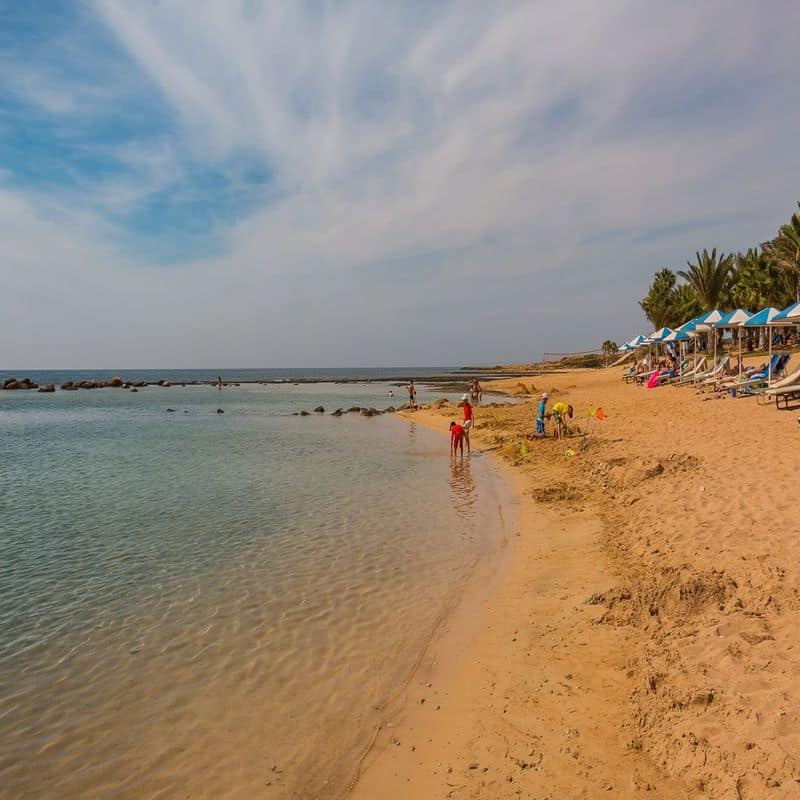
Kermia Beach: The Hidden Cove
Kermia Beach near Cape Greco offers secluded cove conditions with golden sand, clear waters, and minimal facilities whilst remaining accessible via walking path from Ayia Napa/Protaras area. The beach provides peaceful alternatives to crowded resort beaches without requiring vehicles or extensive hiking.
Kermia Beach occupies interesting position geographically—close enough to the Ayia Napa/Protaras resort area to be accessible, yet sufficiently removed from main tourist concentrations to maintain peaceful character. The beach sits in a small cove near Cape Greco National Park, accessed via walking path that takes perhaps 20-25 minutes from where cars must park.
That walking requirement creates the filtering effect that preserves tranquillity. Most tourists visiting Ayia Napa or Protaras beaches aren’t willing to walk 20 minutes when easily accessible beaches exist metres from parking. But for those who make the effort, Kermia rewards with considerably quieter conditions, beautiful natural setting, and genuinely good swimming in clear calm water.
The sand is golden and reasonably soft, the water clarity exceptional given the rocky surroundings, and the cove’s sheltered position keeps conditions typically calm. There are absolutely no facilities—no sunbeds, no restaurants, no toilets. You bring everything needed or do without. But that absence of infrastructure is precisely what maintains the secluded atmosphere that makes Kermia appealing.
Agia Thekla: The Local Secret
Agia Thekla beach, located between Ayia Napa and Paralimni, features a small sandy cove with a picturesque Byzantine chapel, clear shallow waters, and notably fewer tourists than nearby resort beaches. The beach appeals particularly to local Cypriots seeking peaceful alternatives to tourist-dominated areas.
Agia Thekla remains relatively unknown to international tourists despite being easily accessible and offering quality beach conditions. The beach takes its name from the small Byzantine chapel sitting prominently on rocky outcrop overlooking the cove—a rather charming setting that photographs beautifully. The chapel itself, whilst small, is properly maintained and occasionally hosts weddings, adding unexpected cultural dimension to beach visits.
The demographic skews noticeably local—you’ll encounter Cypriot families, particularly during weekends when locals head to beaches after work or for family days. This creates different atmosphere from purely tourist beaches. Conversations happen in Greek, people bring elaborate family picnics rather than purchasing everything from beach bars, and there’s that sense of authentic local life rather than staged tourism.
The beach itself is small—perhaps 100 metres of sand—with shallow calm water ideal for families with young children. Basic facilities exist—a small beach bar, toilets—but nothing elaborate. The limited size means during August it can feel busy, but outside peak season, Agia Thekla maintains wonderful tranquillity whilst offering more facilities than completely wild beaches.
Pachyammos: The North Coast Retreat
Pachyammos on Cyprus’s north coast near Polis offers long stretches of undeveloped pebble beach, minimal tourist infrastructure, and genuine isolation despite vehicle accessibility. The area maintains peaceful character year-round, rarely experiencing the crowds that plague south and east coast beaches.
Pachyammos benefits from location—the north coast near Polis sees considerably less tourism development than southern resort areas. The beach extends for several kilometres, mostly pebble composition with some sandy sections, backed by agricultural land rather than hotels or commercial development. It’s the sort of beach where you can walk for 20 minutes and encounter perhaps five other people, even during summer.
The pebble composition discourages some visitors, which actually helps maintain quiet character. Water shoes make pebbles considerably more comfortable, and once you’re in the water, the swimming conditions are excellent. The water clarity typical of pebble beaches—better than sandy beaches because pebbles don’t cloud water—creates beautiful conditions for swimming and snorkelling.
Facilities are minimal—perhaps a seasonal taverna or two, basic toilets—but the lack of infrastructure is part of the appeal. You’re not constantly marketed to, there are no aggressive water sports operators, no beach sellers. Just proper beach experience focused on swimming, sunbathing, and enjoying natural coastal environment.
Laourou Beach: The Hiking Reward
Laourou Beach on the Akamas Peninsula, accessible only via 45-minute coastal hike, provides complete isolation with pebble shore, clear waters, and absolutely no facilities. The beach offers perhaps Cyprus’s most genuine wilderness beach experience for visitors willing to make the hiking effort.
If you’re seeking maximum seclusion and don’t mind working for it, Laourou delivers spectacularly. The beach requires hiking from where even 4×4 vehicles must stop—the track becomes impassable beyond a certain point. The walk takes 45 minutes to an hour each way, traversing coastal terrain with minimal shade and occasionally challenging footing. You need decent fitness, proper footwear, and genuine commitment to reaching this beach.
Why bother? Because Laourou offers complete solitude during most visits. You might genuinely have the entire beach to yourself, particularly outside July and August. The pebble shore backed by wild scrubland, clear water, rugged coastal scenery—it feels authentically remote, like discovering secret beaches despite being marked on maps. There are absolutely no facilities whatsoever. No restaurant, no toilets, nothing. You carry everything in and must carry all rubbish out.
Planning Laourou Beach Visits
Laourou Beach visits require comprehensive planning with adequate water (minimum 3 litres per person), food, shade equipment, sun protection, first aid supplies, rubbish bags, and informing someone of your plans. Mobile phone coverage is unreliable in this remote area.
This represents proper wilderness beach experience demanding genuine preparation. The combination of hiking effort, summer heat, remote location, and complete lack of facilities means poor planning creates genuinely uncomfortable or potentially dangerous situations. Bring far more water than seems necessary—dehydration happens quickly hiking in 35°C heat then spending hours on exposed beach without shade.
Portable shade becomes absolutely essential. There’s no natural shade on the beach, and you cannot purchase or rent anything once you’re there. Pop-up beach tents work brilliantly, providing retreat from sun when you need breaks. Without shade, spending more than couple hours becomes uncomfortable and potentially dangerous during peak summer heat.
Tell someone your plans and expected return time. Mobile coverage is unreliable, so if something goes wrong, you cannot necessarily call for help. Basic safety precautions—informing others of your whereabouts, carrying first aid supplies, wearing proper footwear—become genuinely important rather than excessive caution.
Blue Lagoon: The Boat-Access Paradise
Blue Lagoon on the Akamas Peninsula, accessible only by boat or extremely challenging hike, features water so clear it appears almost artificial, with visibility often exceeding 30 metres and colours ranging from turquoise to deep sapphire. The location ranks among Cyprus’s most scenic coastal areas but requires boat trips to reach practically.
Blue Lagoon has achieved somewhat legendary status among Cyprus beaches, and honestly, the reality matches the hype. The water clarity is genuinely exceptional—on calm days you can see the bottom clearly even in depths of 10-15 metres. The colour gradations as water deepens create this stunning spectrum from pale turquoise in shallows through progressively deeper blues—it’s the sort of scene that looks enhanced in photographs but actually appears that vivid in reality.
Reaching Blue Lagoon practically requires boat trips. Several operators run excursions from Latchi, Paphos, and other coastal points, typically combining Blue Lagoon with stops at other scenic locations. Some trips include lunch, others focus purely on swimming time. The boat access actually helps maintain the area’s special character—you get crowds during boat arrival periods, then relative quiet once boats depart. If you’re on multi-stop trips, you might have 1-2 hours swimming time, which feels both too short and somehow perfect—enough to appreciate the setting without it becoming mundane.
Swimming and snorkelling conditions are spectacular. The rocky underwater formations harbour diverse marine life, visibility allows you to spot features from considerable distance, and the water stays refreshingly cool even during peak summer. It’s not tropical snorkelling—you won’t see coral reefs—but for Mediterranean standards, it’s excellent.
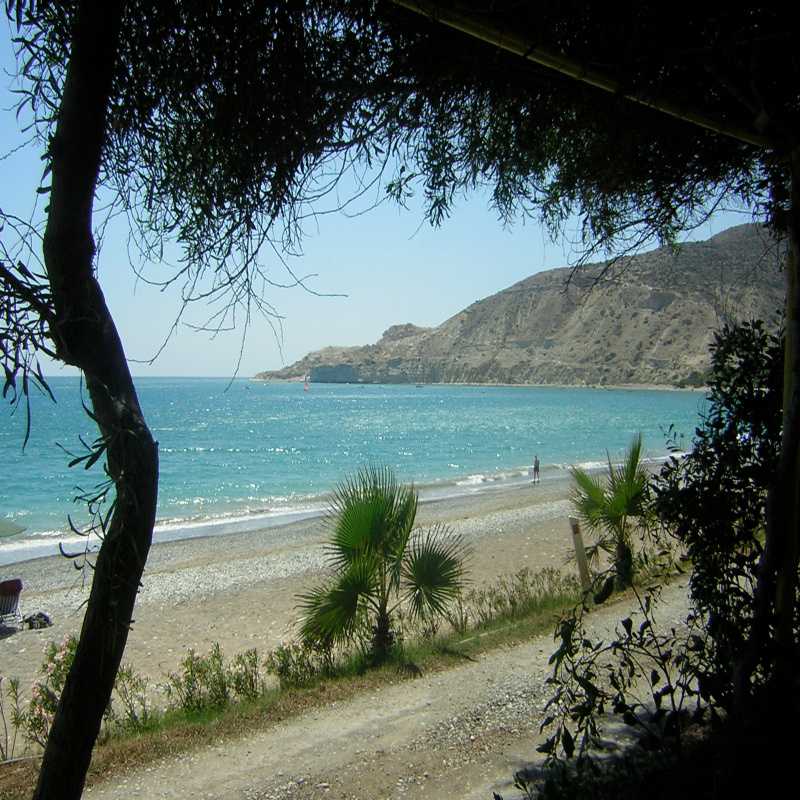
Pissouri Beach: The Underrated Option
Pissouri Beach on the south coast offers 2 kilometres of mixed pebble and sand, relatively undeveloped surroundings, authentic tavernas, and peaceful conditions despite having good vehicle access and basic facilities. The beach maintains quiet character through remaining outside major resort area concentrations.
Pissouri Beach occupies interesting position—it offers proper facilities and easy access, yet maintains relatively peaceful character because it sits between resort areas rather than within them. Located roughly halfway between Limassol and Paphos but belonging to neither tourist concentration, Pissouri attracts fewer visitors than its quality would suggest if positioned in resort territory.
The beach itself combines pebbles and coarse sand in varying proportions. Some visitors find pebbles challenging—water shoes help enormously. But once in the water, conditions are excellent. The bay’s sheltered position keeps conditions typically calm, water quality is high, and you can swim considerable distances in clear water without encountering rocks or sudden drop-offs.
What I particularly appreciate about Pissouri is the authenticity. The tavernas serve genuinely good traditional Cypriot food rather than adapted tourist versions. Buildings remain low-rise and relatively sparse, creating less commercialised feel than major resort beaches. You get adequate facilities—toilets, restaurants, some sunbeds—without the overwhelming infrastructure that characterises highly developed areas.
Petra tou Limniti: The Remote North Coast
Petra tou Limniti on Cyprus’s northwestern coast provides dramatic coastal scenery with rocky beaches, clear waters, and virtually no tourist development. The area’s remoteness from major centres ensures peaceful conditions year-round whilst offering spectacular natural beauty.
The northwestern coast remains Cyprus’s least developed region for tourism, which means beaches here maintain genuinely isolated character. Petra tou Limniti isn’t single beach but rather a coastal area featuring multiple small coves and beaches, most comprising pebbles and rocks rather than sand. The scenery is dramatic—rugged coastline, clear water, often-rough seas creating that wild Mediterranean aesthetic.
Accessing this area requires driving considerable distances from major centres—perhaps 90 minutes from Paphos, longer from eastern resorts. But that remoteness is precisely what preserves the area’s special character. You’ll encounter more locals than tourists, facilities are minimal, and the experience centres entirely on natural beauty rather than organised tourism.
The swimming conditions vary considerably depending on weather and exact location. Protected coves offer calm swimming, but exposed sections can experience strong currents and rough seas. It’s not ideal for families with young children or nervous swimmers, but for confident swimmers seeking wild coastal experiences, this area delivers spectacularly.
Best Times for Secluded Beaches
Visit secluded beaches during May-June or September-October for optimal conditions—warm weather, comfortable sea temperatures, and minimal crowds even at more accessible quiet beaches. Early mornings (before 9am) and late afternoons (after 5pm) offer most peaceful conditions during any season.
Timing affects secluded beach experiences even more dramatically than resort beaches. During peak July-August, even beaches requiring hiking or rough tracks see increased visitors as people actively seek alternatives to crowded resort areas. But outside peak season, these beaches often feel genuinely deserted, with visitor numbers dropping to perhaps a handful daily rather than dozens.
May and June offer particularly appealing conditions for secluded beaches. Weather is reliably warm, sea temperatures reach comfortable levels, and tourist numbers remain manageable. The hiking required for beaches like Laourou or Kermia feels less punishing in May temperatures around 25-28°C compared to August’s 35°C-plus heat. You can explore coastal areas properly rather than merely surviving the conditions.
September provides another ideal window. The sea has retained summer warmth—often 26-27°C—whilst air temperatures moderate to 28-30°C. The heat remains properly summery but loses that oppressive intensity that makes August challenging. Most importantly, once European schools restart, tourist numbers drop dramatically even at accessible quiet beaches like Governor’s Beach or Pissouri.
Safety Considerations for Remote Beaches
Remote beaches lack lifeguards, mobile phone coverage may be unreliable, medical assistance could require considerable time to arrive, and you’re entirely responsible for your own safety. Inform others of your plans, bring comprehensive supplies, and exercise greater caution than at supervised resort beaches.
The freedom and solitude that make secluded beaches appealing also create genuine safety considerations. At supervised resort beaches, help is immediately available if problems occur. At remote beaches, you might be 45 minutes from nearest road, mobile coverage might not work, and assistance could take considerable time to arrive even if you manage to call for help.
This doesn’t mean avoiding these beaches—it means approaching them with appropriate preparation and caution. Don’t swim alone in remote locations, particularly in rough conditions. Bring proper first aid supplies including materials for treating cuts, sprains, sunburn, dehydration. Carry significantly more water than you think necessary. Wear appropriate footwear for hiking and rocky beaches. These aren’t excessive precautions; they’re sensible preparations for wilderness environments.
What to Bring to Secluded Beaches
Essential items for secluded beaches include 3+ litres water per person, comprehensive food supplies, portable shade equipment, high-SPF sunscreen, first aid kit, rubbish bags, proper footwear, towels, and swimming equipment. Bring considerably more supplies than needed rather than discovering shortages at locations with zero purchasing options.
Packing for secluded beaches requires more systematic thinking than resort beach visits. There are no shops, no rentals, no facilities to fall back on if you’ve forgotten something or underestimated needs. Making comprehensive lists and checking them thoroughly before leaving prevents frustrating situations where you’re missing something critical with no possibility of obtaining it.
Water cannot be overstated. Dehydration happens insidiously in Mediterranean heat, particularly when combined with swimming and sun exposure. Bring minimum 3 litres per person, more if visiting during peak summer or planning extensive time at the beach. Consider freezing some water bottles overnight—they’ll gradually melt whilst keeping other supplies cool, providing perfectly chilled water later in the day.
Finding Your Perfect Quiet Beach
Choose secluded beaches based on desired seclusion level, physical ability for hiking or rough tracks, facilities requirements, and swimming confidence. Beaches like Governor’s Beach offer accessible tranquillity with facilities, whilst Laourou or Blue Lagoon provide maximum isolation for committed adventurers.
Not all secluded beaches suit all visitors, and understanding your actual preferences versus romantic notions about wilderness beaches prevents disappointment. If you genuinely value having toilet facilities nearby, restaurants for lunch, and ability to rent sunbeds if desired, beaches like Governor’s Beach or Pissouri provide quiet alternatives to resorts whilst maintaining basic amenities. If you’re seeking maximum isolation and don’t mind complete absence of facilities, beaches like Laourou or remote Akamas coves deliver authentic wilderness experiences.
Physical ability matters considerably. Hiking 45 minutes in summer heat to reach Laourou requires decent fitness and commitment. Driving rough 4×4 tracks to Lara Bay demands vehicle capability and driving confidence. But gentler options exist—Agia Thekla or Kermia provide peaceful conditions with minimal hiking on established paths suitable for most fitness levels.
Swimming confidence also factors into appropriate beach selection. Remote beaches lack lifeguard supervision, and some locations experience currents or conditions that challenge less confident swimmers. If you’re not completely comfortable in open water, choosing accessible beaches like Governor’s Beach or Pissouri—where help is available if needed—makes more sense than remote locations where you’re entirely self-reliant.
The beauty of Cyprus’s secluded beaches is how varied they are. You don’t need to commit to one type—perhaps start with accessible quiet beaches like Governor’s Beach to gauge your appetite for less developed environments, then progress to more remote options like Lara Bay or Laourou if that initial experience appeals. Or maintain variety throughout your stay, mixing resort beach convenience with occasional quiet beach escapes for balance.
What makes these secluded beaches ultimately satisfying, I think, is how they reveal Cyprus at its most natural. These are beaches where nature takes priority over tourism convenience, where the experience centres on swimming in clear Mediterranean water surrounded by natural beauty rather than organised entertainment. For visitors seeking that increasingly rare commodity—genuine tranquillity in beautiful settings—Cyprus’s quiet beaches deliver exactly what they promise.