

What To Do in Costa Rica by Traveler Type
Different trips, different rhythms. A family with little hikers needs short trails and guaranteed sloth sightings; a honeymoon might lean into hot springs and sunsets; a surfer… well, forecasts start to matter more than museum hours. Below are starting points, not fixed rules.
First-timers
Keep it classic and compact: Arenal/La Fortuna for volcanic trails, La Fortuna Waterfall, and a soak at Tabacón or Paradise; Monteverde for hanging bridges and ziplining; Manuel Antonio for that guided wildlife walk straight to a calm beach. If you like a minimal-driving version, you can swap Manuel Antonio with Guanacaste’s Tamarindo for easier transfers and a sunset catamaran.
Families
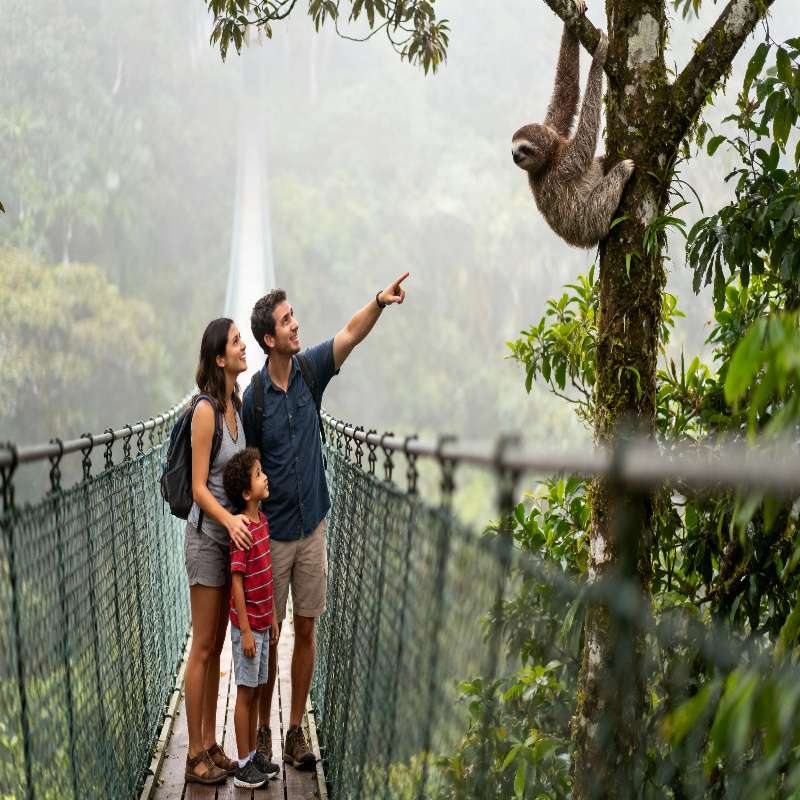
Think short bursts of adventure with quick rewards: a safari float near La Fortuna (wildlife without whitewater), hanging bridges for canopy views, gentle zipline options, and an early-morning catamaran or calm-beach day. Consider a night walk too; kids tend to love the frogs more than the adults expect.
Couples
Slow the pace a touch: hot springs at night, cloud forest mornings, a Rio Celeste day (after a dry spell for those iconic blues), and a sunset sail. Boutique stays in Monteverde or the Nicoya Peninsula can add that quiet, cocooned feeling that’s hard to get in larger hubs.
Surfers
Tamarindo and Nosara are forgiving, social, and convenient; Santa Teresa is moodier and magical if you like a looser schedule. Playa Hermosa (near Jacó) skews advanced; Pavones can be a dream if the swell cooperates. If you’re splitting your time, anchor a few surf days around a flexible forecast, then sneak inland to Arenal for a change of scenery.
Wildlife lovers
Tortuguero’s canals for birds and (in season) turtles; the Osa Peninsula for raw biodiversity and Corcovado’s ranger-station hikes; Monteverde for quetzal season and hummingbirds; Manuel Antonio for easy, guided spotting with clean beaches as your reward. A patient guide changes everything — worth budgeting for here.
Plan What To Do in Costa Rica by Home Base
It’s tempting to hop constantly; the smarter play is two or three bases with day trips. Drives feel shorter, spontaneity returns, and you’ll actually sit to taste coffee instead of drinking it from a lid.
La Fortuna (Arenal) — 3–4 nights
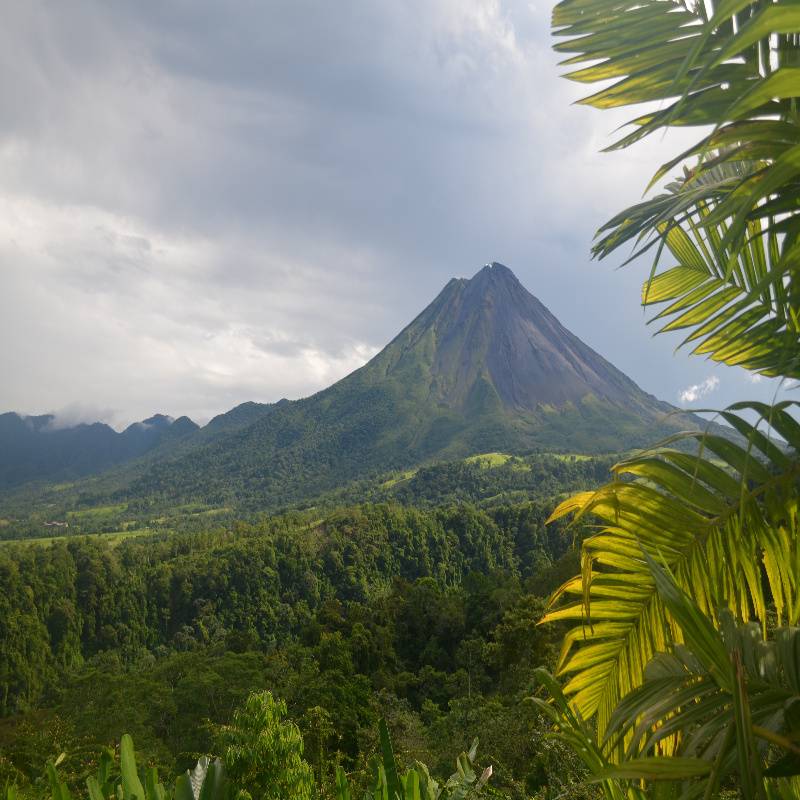
Signature mix: Arenal Volcano National Park lava flows and viewpoints, La Fortuna Waterfall (stairs but worth it), Mistico Hanging Bridges, a canyoning morning if you like harnesses, and an evening drift through hot springs. Rafting options range from family-friendly to pulse-quickening. On a clear, dry morning, make time for a Rio Celeste day via Tenorio.
If your plan leans toward a blend of beach days and wildlife, this pairs naturally with a Guanacaste base; it’s a pattern we also talk about in our guide to surfing, wildlife & family vacations in Costa Rica.
Monteverde — 2–3 nights
Cooler air, misty trails, and those cinematic canopy walkways. Zipline parks (Sky, Selvatura, 100% Aventura) vary in length and style; pick one and leave time for a night walk. Coffee and chocolate tours are more fun than they sound on paper; the hands-on tastings tend to convert skeptics.
Manuel Antonio/Quepos — 2–3 nights
Short trails and big payoffs: sloths, monkeys, and pristine beaches inside the national park. Tickets can be timed and limited in busy months, so reserve. Outside the park, a Damas Island mangrove tour (boat or kayak) adds a different kind of stillness, and sunset restaurants hug the hill with wide views.
Guanacaste (Tamarindo–Conchal–Flamingo) — 3–4 nights
Beaches with easy logistics, surf lessons, and a dependable sunset. Conchal’s shell-speckled shore is a favorite; Las Catalinas is a tidy day trip; diving at the Catalinas or Bat Islands is seasonal but memorable. After a catamaran, a dinner stroll is part of the ritual — if you’re in town, this roundup of restaurants in Tamarindo Costa Rica can save a few indecisive minutes.
Nicoya Peninsula (Nosara, Santa Teresa, Sámara) — 3–4 nights
It’s a feeling as much as a map point: morning surf, afternoon hammock, and long, gold-light walks. Roads can be dusty or muddy depending on the month; the tradeoff is space and sky. If you want a slower edge to the trip, this is where to linger.
Osa Peninsula (Drake Bay/Carate) — 3–4 nights
One of the most biodiverse regions you’ll ever step into. Corcovado’s ranger-station hikes feel like attending nature in capital letters. Caño Island brings clear-water snorkeling and diving; Golfo Dulce can surprise with dolphins and, seasonally, whales. Here, guided is the default — and for good reason.
Tortuguero — 2 nights
Boat-in, canal-laced, and wonderfully different. Birdlife, calm water safaris, and (in season) turtle nesting walks under careful rules. It pairs neatly with a northern circuit (Arenal/Monteverde) if you don’t mind a little extra coordination at the start.
50+ Things To Do in Costa Rica
A long list is useful; a skimmable one is kinder. Here are themed clusters with quick context. Costs vary by season and provider, but ballparks are included where it helps decisions.
Volcano & rainforest
- Arenal Volcano National Park: easy-to-moderate lava flow trails with cone views; go early for clearer skies.
- La Fortuna Waterfall: 500-ish steps down to a powerful plunge pool; swim with caution and savor the jungle air.
- Mistico Hanging Bridges: canopy perspectives without the adrenaline, though you’ll still feel your heart at the first span.
- Rio Celeste (Tenorio NP): the turquoise is chemistry plus timing; best after dry weather, typically mornings.
- Night walks (Arenal or Monteverde): frogs, insects, and the strange magic of flashlights in a rainforest.
Adventure days
- Ziplining: Monteverde or Arenal; choose longer lines if you want that flying sensation, or pair with bridges if you’re easing in.
- Whitewater rafting: Pacuare for an all-day classic (Class III–IV), Balsa/Sarapiquí for gentler options.
- Canyoning: waterfall rappels near La Fortuna; you’ll be wetter and happier than the photos suggest.
- Waterfall hikes: Nauyaca near Dominical is a favorite double-cascade; plan extra time at the base.
Beaches & boats
- Sunset catamaran: Tamarindo/Flamingo or Manuel Antonio; morning sails can be clearer for snorkeling, sunsets for mood.
- Tortuga Island day trip: snorkeling, beach time, and a picnic-style lunch — touristy, yes, but fun with the right group.
- Snorkel/diving: Catalinas, Bat Islands, or Caño Island (Osa) for clearer water; check seasons and swell.
Wildlife highlights
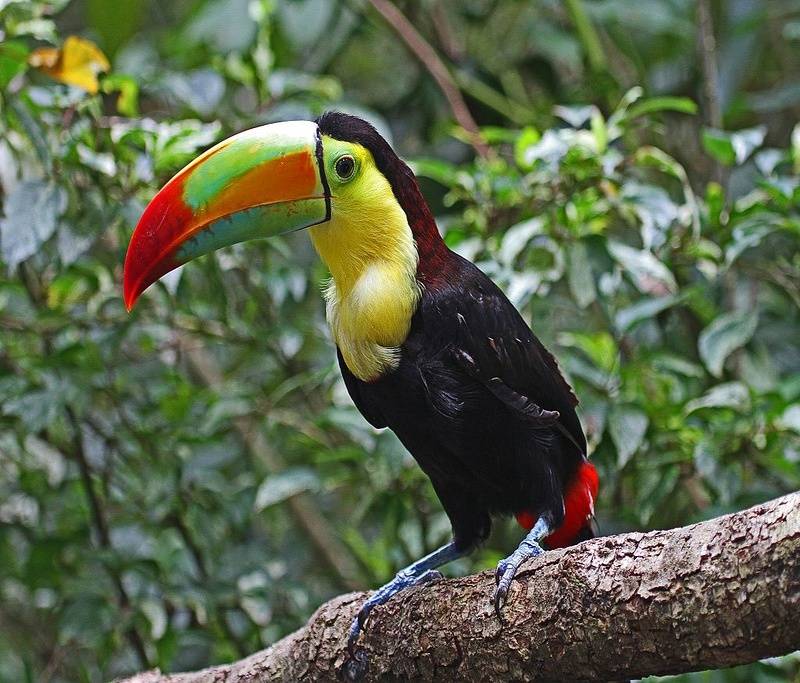
- Manuel Antonio: timed-entry park with short trails and high wildlife density; a guide’s scope changes what you notice.
- Tortuguero canals: quiet boat or kayak mornings with herons, kingfishers, and the odd caiman lounging.
- Ostional arribadas: mass sea turtle nesting events — unpredictable, breathtaking; must follow local guidance.
- Cloud forest birding: watch for resplendent quetzals in season and tiny hummingbirds year-round.
Culture & food
- Coffee farm tours: harvest months add texture, but tastings are enjoyable anytime; you’ll never look at a cup the same way.
- Chocolate experiences: hands-on, kid-friendly, and surprisingly nuanced.
- Sodas and classics: casado, gallo pinto, and chifrijo; simple plates, deeply comforting.
If you’re beaching near Tamarindo, these restaurants in Tamarindo Costa Rica can anchor an easy food plan between surf sessions and boat days.
Best Time to Visit Costa Rica
Short version: December to April is sunnier on the Pacific; May to November brings lush landscapes and afternoon showers; the Caribbean dances to its own rhythm and can be drier in September–October. Longer version below — because your interests matter as much as the month.
- Dry season (Dec–Apr): easier roads, clearer beach days, more crowds — book parks and popular tours early.
- Green season (May–Nov): clear mornings are common, waterfalls swell, prices soften; plan hikes early and keep a rain shell handy.
- Wildlife windows: Pacific humpbacks often show July–November (with peaks); Tortuguero turtle nesting peaks late July–October; Ostional arribadas typically cluster May–December but are naturally variable.
If you’re timing your route around seasons, you may find this deep-dive on the best time to visit Costa Rica helpful — it breaks down coasts, crowds, and wildlife in more detail.
Sample Itineraries (7–10 Days)
Consider these templates a nudge, not a script. Swap nights where it suits you, or let weather steer a last-minute shuffle — that’s part of the charm.
7 Days: First Trip Highlights
La Fortuna 3N → Monteverde 2N → Manuel Antonio 2N. Hikes, hanging bridges, hot springs, a guided park morning, and a beach afternoon to exhale. If you crave a beach town vibe and simpler transfers, switch Manuel Antonio for Tamarindo.
7 Days: Beach + Adventure
Tamarindo/Guanacaste 4N → La Fortuna 3N. Surf lessons, a catamaran, Conchal’s bright shore, then hot springs and rafting inland. When Tamarindo is on the plan, save time by bookmarking where to eat: restaurants in Tamarindo Costa Rica.
10 Days: Wildlife-Forward
Tortuguero 2N → La Fortuna 3N → Monteverde 2N → Osa or Manuel Antonio 3N. It’s ambitious but coherent; keep transfer days light, and leave a little room for weather to breathe.
For step-by-step maps, drive times, and day-by-day slots, jump to our dedicated what to do in Costa Rica itinerary guide.
Practical Tips, Tickets, and Budget
- Park reservations: Manuel Antonio can sell out in high season; Poás requires advance booking; Arenal/Tenorio hours vary — check official pages before you drive.
- Tours and guides: a certified naturalist often doubles your wildlife sightings; in Osa/Corcovado, guided access is standard, not optional.
- Budget cues: sunset catamarans often fall around USD 75–110; group surf lessons roughly USD 60–70; 2‑tank local dives about USD 120–140; discovery dives are available for beginners.
- Packing: light rain shell year-round, grippy shoes, a dry bag for boat days, reef-safe sunscreen, and binoculars if wildlife is a priority.
- Driving: start early, expect one-lane bridges in places, and let a longer transfer breathe with a lunch stop; in the green season, pad your schedule rather than race it.
If Costa Rica is part of a longer stint away, you might like a few thoughtful (and honest) ideas here: thinking summer working abroad.
FAQs
What is the best month to visit?
For beach-forward trips on the Pacific, January to March is reliably sunny; for lower prices and greener views, May or June is a sweet spot. If you’re chasing Caribbean clarity, September–October can be the pleasant exception. There isn’t one perfect month, only trade-offs you can lean into.
How many days are enough for a first-timer?
Seven days is workable for two bases (Arenal + coast). Ten days is the comfort zone for three bases (Arenal, Monteverde, and a beach or Manuel Antonio). If you want Osa or Tortuguero, try to stretch to ten.
Do I need a 4×4?
Not for the classic paved routes in the dry season. For Nicoya backroads, Osa, or the green season’s muddier moods, a 4×4 (or at least higher clearance) is sanity-saving. When in doubt, rent the capability and relax.
Where can I see sloths or quetzals?
Sloths show up consistently around Manuel Antonio and the Central Pacific with a good guide. Quetzals are a cloud forest specialty — Monteverde and nearby reserves in the right season give you a fair chance.
Is the tap water safe?
In many major towns and hotels, yes, but always confirm locally; rural areas and smaller lodges may advise filtered or bottled. When unsure, default to caution — your stomach will thank you.
Responsible Travel
Keep respectful distance from wildlife, never feed animals, and follow marked trails — it protects habitats and, frankly, your day. For turtle nesting, abide by red-light and guide rules; in reefs, float rather than stand. Tiny choices scale in places this biodiverse.
Where to Eat and Stay (Quick Hits)
Instead of a directory, here’s a light nudge per base. Book popular spots early in peak months, and don’t be afraid to try a neighborhood soda — the casado might be the memory you talk about later.
- La Fortuna: split days between trails and hot springs; stay close to town if you like more dining variety.
- Monteverde: choose a lodge near a reserve to catch misty mornings on foot; bring a warm layer.
- Manuel Antonio: hilltop views for sunsets, valley-side options for quieter nights; reserve park entries early.
- Tamarindo/Flamingo/Conchal: easy going, lots of food variety; consider this list of restaurants in Tamarindo Costa Rica when you’re choosing between a sail and a beach walk.
- Nosara/Santa Teresa/Sámara: boutique stays fit the setting; plan for slower transfers and happier afternoons.
- Osa/Tortuguero: prioritize lodges with strong guiding; the right naturalist can define the trip.